


Listen to the article
Pentagon Contractor Indicted for Leaking Classified Information to Journalist
A Pentagon contractor was indicted Thursday on charges of illegally removing and sharing classified national defense information with a journalist, in a case that has ignited concerns about press freedom and government surveillance.
Aurelio Luis Perez-Lugones, 61, of Laurel, Maryland, faces five counts of unlawfully transmitting and one count of unlawfully retaining classified national defense information, according to the Justice Department. The contractor has been in custody since his January 8 arrest.
The case has drawn heightened scrutiny following federal agents’ search of Washington Post reporter Hannah Natanson’s home in Virginia last week. Press freedom advocates view the search as part of a broader, more aggressive approach by the Justice Department toward investigations involving journalists and their sources.
Prosecutors allege that Perez-Lugones, who worked as a systems engineer and IT specialist for a government contractor, printed classified documents from his workplace and later shared them with a journalist. The reporter allegedly used this information in at least five articles, though the Justice Department has not publicly identified the journalist or their employer in its release.
“Illegally disclosing classified defense information is a grave crime against America that puts both our national security and the lives of our military heroes at risk,” Attorney General Pamela Bondi said in a statement.
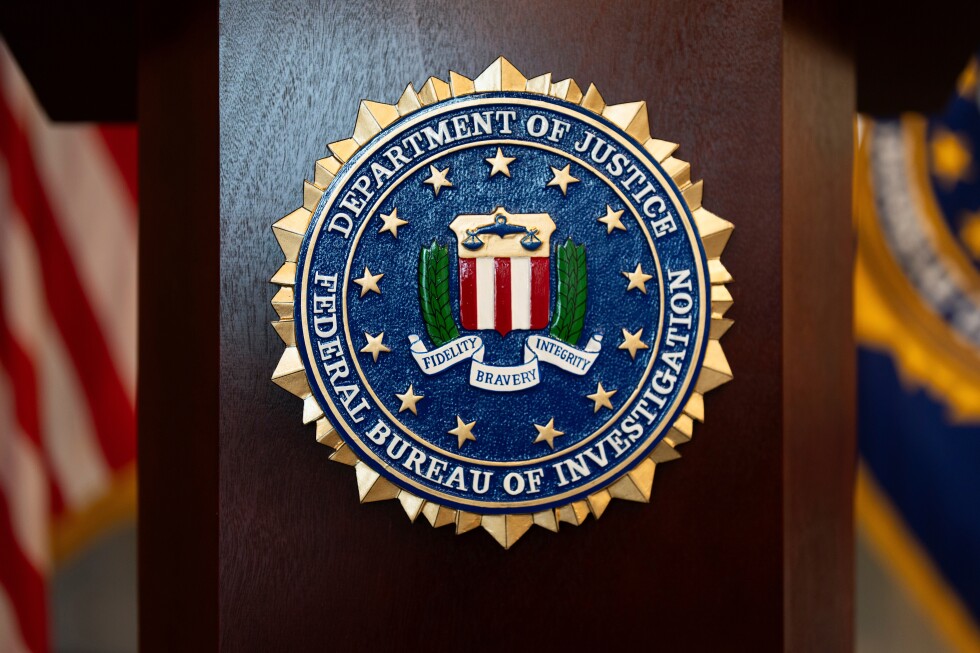
FBI Director Kash Patel added that the contractor had taken home printouts of classified documents before passing them to a reporter. During the investigation, authorities discovered phone messages between Perez-Lugones and the journalist discussing the shared information. In one message, Perez-Lugones wrote: “I’m going quiet for a bit … just to see if anyone starts asking questions,” after sending one of the documents.
Court papers reveal that Perez-Lugones, who held a top-secret security clearance, took a screenshot of a classified intelligence report involving a foreign country in October. He allegedly pasted the image into a Microsoft Word document and printed it out. During searches of his home and car this month, investigators found documents marked “SECRET,” including one hidden in a lunchbox.
The Washington Post has taken legal action in response to the search of Natanson’s home. On Wednesday, the newspaper requested a court order demanding the return of electronic devices seized by federal agents, including two laptops, a phone, a recorder, a portable hard drive, and a smartwatch.
A federal magistrate judge in Alexandria, Virginia, has temporarily prevented the government from reviewing any material from the seized devices and scheduled a hearing for February 6 to address the newspaper’s request.
“The outrageous seizure of our reporter’s confidential newsgathering materials chills speech, cripples reporting, and inflicts irreparable harm every day the government keeps its hands on these materials,” the Post said in a statement.
Natanson has been covering Republican President Donald Trump’s transformation of the federal government. She recently published an article describing how she has developed hundreds of sources within the federal workforce, which led a colleague to dub her “the federal government whisperer.”
The case represents the latest flashpoint in the ongoing tension between national security interests and press freedom protections. Under longstanding Justice Department guidelines, prosecutors are supposed to exhaust all other investigative methods before seeking to access journalists’ communications or work product.
The Biden administration had previously announced stricter limitations on when prosecutors could seize journalists’ records. However, this case suggests that certain national security matters may still prompt aggressive investigative tactics targeting the press.
Attorneys for Perez-Lugones have not yet responded to requests for comment about the indictment.
Fact Checker
Verify the accuracy of this article using The Disinformation Commission analysis and real-time sources.

8 Comments
This is a concerning case that raises important questions about press freedom and government overreach. The public deserves transparency on how classified information is handled and shared, while also protecting national security.
This case highlights the ongoing tensions between national security, government transparency, and press freedom. I hope the justice system can find a way to balance these important interests in a fair and principled manner.
The alleged actions of this Pentagon contractor, if true, are troubling. However, we must be cautious about jumping to conclusions and ensure due process is followed. Protecting whistleblowers and journalists’ sources is crucial for a free press.
I agree, this case highlights the delicate balance between national security and press freedom. It will be important to closely follow the details as they unfold.
As someone interested in the mining and energy sectors, I’m curious to see if this case has any connections or implications for those industries. Transparency around government contracts and classified information is important for public trust.
This is a complex issue without easy answers. I hope the courts can carefully weigh the various interests and come to a fair and balanced resolution that upholds the principles of a free press and responsible government.
As an investor in mining and energy companies, I’m curious to see if this case has any broader implications for the industries I follow. Transparency around government contracts and information-sharing is important for market confidence.
While the alleged leaks of classified information are concerning, the search of a journalist’s home is also troubling. We must ensure that measures to protect national security do not unduly infringe on press freedoms.