


Listen to the article
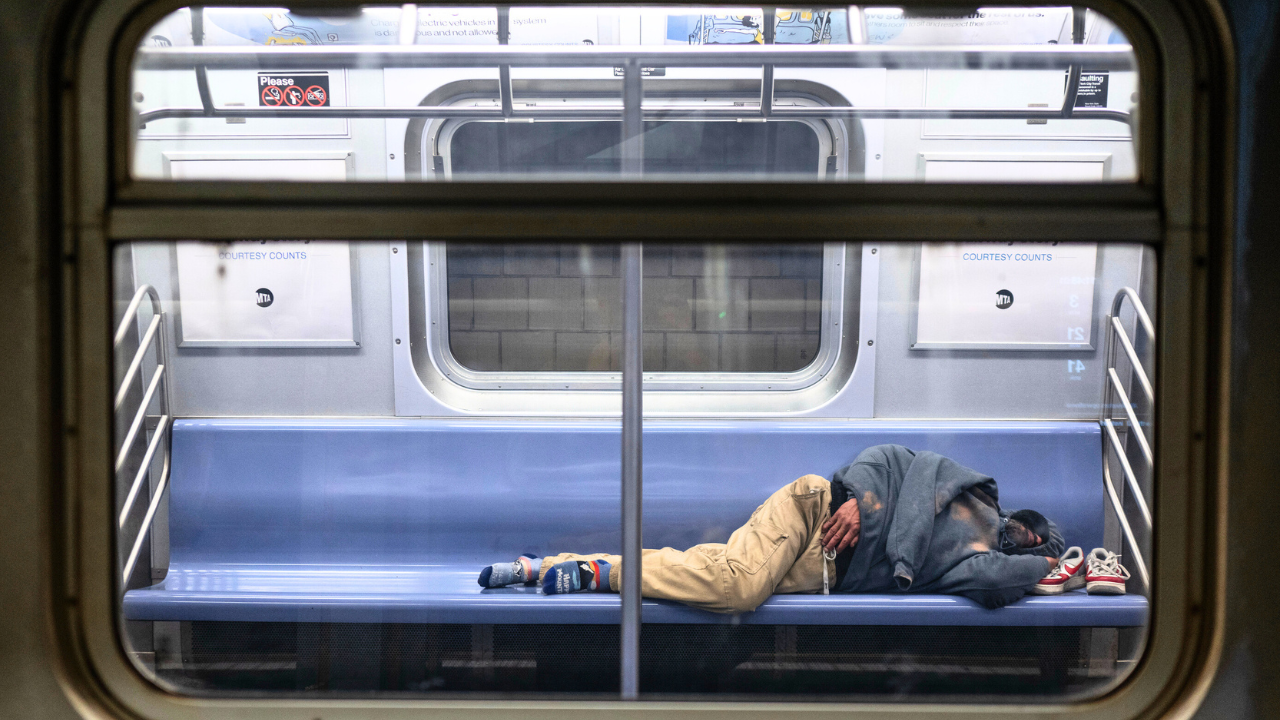
New York City’s spending on unsheltered homelessness has soared by 262% since 2019, reaching nearly $368 million, even as the number of people living on streets continues to rise, according to a recently released state comptroller’s report.
The city’s data shows the unsheltered population grew from 3,588 in fiscal year 2019 to 4,504 in fiscal year 2025, representing a 26% increase from pre-pandemic levels. During this same period, spending on services for the unsheltered population jumped dramatically from $102 million to nearly $368 million.
This translates to approximately $81,700 per unsheltered person in FY 2025—slightly exceeding the city’s median household income. While this comparison provides a broad benchmark, experts note that public spending and household earnings serve different purposes and aren’t directly comparable metrics.
The stark numbers highlight a troubling paradox: despite massive increases in funding, the city’s street homeless problem continues to worsen, raising questions about the effectiveness of current intervention strategies and the burden on taxpayers.
New York’s approach to homelessness differs significantly from other major cities. The report notes that New York maintains an unusually large shelter system by national standards. Los Angeles, which has the second-largest homeless population in the country with approximately 71,000 people (roughly half of New York City’s 2024 total), has about 70% of its homeless population unsheltered. In contrast, nearly 97% of New York City’s homeless population resides in shelters.
This disparity in approaches highlights different policy priorities and resource allocations between major urban centers facing similar housing affordability challenges.
The findings come at a critical time as housing affordability and homelessness remain central issues for Mayor Zohran Mamdani’s administration. New York’s soaring rents and persistent shortage of low-cost housing continue to fuel the homelessness crisis, challenging policymakers to develop effective long-term solutions.
Mayor Mamdani has proposed freezing rents on approximately 2 million stabilized apartments as part of his housing strategy. However, many economists and housing experts have expressed concern that such rent freezes, while potentially providing short-term relief for current tenants, could ultimately worsen the city’s long-term housing shortage by discouraging new development and investment.
“Rent control policies often fail to address the fundamental supply problem,” said one housing economist who requested anonymity. “They can actually reduce housing stock over time by making development less profitable, which is the opposite of what cities like New York need.”
Mamdani’s broader economic vision includes a $127 billion budget proposal that calls for higher taxes on wealthy residents and corporations. The plan also includes a potential 9.5% property tax increase if state lawmakers decline to approve his proposed tax hikes on higher-income residents.
The mayor’s progressive approach to urban governance has sparked intense debate among policy experts, business leaders, and community advocates. Supporters argue that increasing taxes on the wealthy is necessary to fund critical social services and address inequality. Critics contend that higher taxes and rent regulations could prompt businesses and wealthy taxpayers to leave the city, potentially eroding the tax base needed to fund ambitious social programs.
Housing advocates point to the need for a multi-faceted approach that includes expanding affordable housing stock, strengthening tenant protections, and addressing systemic issues like income inequality and mental health services.
As New York continues to grapple with its homelessness crisis, the effectiveness of Mamdani’s policies will be closely watched not just locally but nationally. The success or failure of his housing and tax proposals could influence similar debates in other major cities facing affordable housing shortages and homelessness challenges.
In the nation’s largest city and global financial hub, the stakes extend far beyond local politics. The outcomes of these policy experiments could shape the broader conversation around regulation, taxation, and progressive urban governance for years to come.
Fact Checker
Verify the accuracy of this article using The Disinformation Commission analysis and real-time sources.

9 Comments
This data certainly highlights the complex challenges of addressing homelessness in NYC. While the spending levels are high, it seems the issue is still growing, suggesting more effective solutions are needed. I wonder how the city’s approach compares to other major metros facing similar problems.
You raise a good point. The effectiveness of the current interventions is clearly in question if the unsheltered population is still increasing. Innovative approaches may be warranted to better address the root causes.
The comparison of spending per unsheltered person to median household income is an eye-opening statistic. It underscores the scale of the challenge and the strain on taxpayers. I wonder if there are opportunities to leverage public-private partnerships or innovative funding models to supplement the city’s efforts.
That’s an interesting suggestion. Exploring alternative funding sources and collaborative approaches could potentially help address the limitations of the current model. Creative solutions will be key to making meaningful progress on this complex issue.
This data certainly highlights the need for a comprehensive review of NYC’s homelessness strategy. The stark contrast between rising spending and a worsening crisis suggests that a fundamental rethinking of the approach may be warranted. I’m curious to see if other cities are finding more success with alternative models.
While the spending figures are significant, the fact that the unsheltered population is still growing raises serious questions about the efficacy of the current interventions. I’d be curious to see a more detailed breakdown of where the funds are being allocated and what specific outcomes are being measured.
Absolutely, a deeper dive into the program-level data and performance metrics would be valuable. Transparency around the allocation and impact of these resources is crucial for identifying areas for improvement and ensuring accountability.
It’s concerning to see the homeless crisis in NYC continuing to worsen despite the significant funding increases. I’m curious to learn more about the specific programs and services that are being provided, and whether there are opportunities to optimize the allocation of these resources.
Agreed, the data highlights the need for a comprehensive review of the city’s homelessness strategy. Understanding where the funding is being directed and evaluating the outcomes could provide valuable insights to guide more effective policy decisions.