


Listen to the article
New York City to Resume Homeless Encampment Clearings with Revised Approach
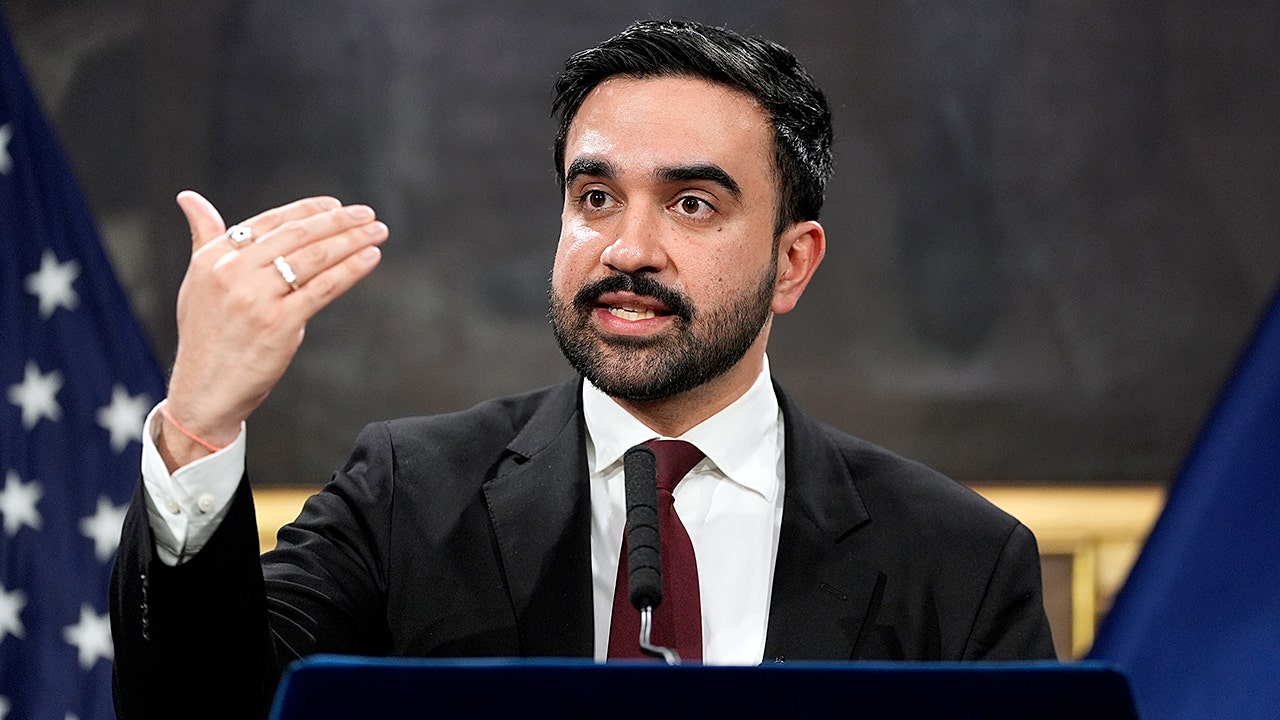
New York City will restart the clearing of homeless encampments after a brief pause, Mayor Zohran Mamdani announced Wednesday. The renewed effort will shift leadership from police to the Department of Homeless Services and emphasize sustained outreach.
“We will meet them looking to connect them with shelter, looking to connect them with services, looking to connect them with a city that wants them to be sheltered and indoors and warm and safe,” Mamdani said during a news conference. “That is something that I believe will yield far better results, because it hasn’t even been the driving directive of these policies before.”
The Democratic mayor had paused former Mayor Eric Adams’ encampment clearing policy on January 5, just weeks after taking office. Mamdani has been openly critical of Adams’ approach, which he characterized as a “failure” that didn’t adequately address housing needs for the city’s unsheltered population.
Under the new protocol, the city will post advance notice that an encampment will be cleared, then deploy homeless services outreach workers daily for a week to guide individuals toward social services and shelter options. On the seventh day, sanitation workers will dismantle the encampment, with the expectation that residents will have vacated the area.
Mamdani explained that this persistent outreach strategy is designed to break through initial skepticism from homeless individuals who may be wary of city services.
“Their second reaction might be that of wariness, given their prior experiences within the shelter system,” he said. “But their third, their fourth, their fifth or sixth reaction may be one of interest in the possibility of shelter services, programming support, supportive housing.”
The policy shift comes against the backdrop of a harsh winter that has claimed at least 19 lives of unsheltered individuals in New York City, though the mayor’s office has stated there is no evidence that any of these deaths occurred at encampments. The city has been encouraging homeless individuals to utilize new shelters, heated buses, and warming centers during cold weather events.
However, the announcement has drawn criticism from homeless advocacy groups. David Giffen, executive director of the Coalition for the Homeless, expressed being “blindsided” by Mamdani’s decision, describing it as a “political response” that would do little to address the root causes of homelessness.
Giffen warned the approach could damage trust between outreach workers and the homeless population they’re trying to serve. “When a city worker shows up and throws out all your belongings, you’re not going to trust that person the next time they show up offering you a place to sleep inside,” he said.
The policy reversal highlights the ongoing challenges New York faces in addressing its homelessness crisis, which has been exacerbated by rising housing costs and limited affordable housing options. The city has struggled to balance public safety and sanitation concerns with the immediate needs of its homeless population.
Homeless encampments have been a contentious issue in New York and other major U.S. cities, with municipal governments facing criticism both for allowing them to remain and for removing them. While some residents and business owners complain about encampments affecting neighborhood safety and commerce, advocates argue that simply displacing homeless individuals without providing adequate alternatives is ineffective and potentially harmful.
The efficacy of Mamdani’s revised approach will likely be closely watched by other cities grappling with similar challenges in their homeless populations. Whether the emphasis on outreach and services before removal will lead to better outcomes remains to be seen in the coming months.
Fact Checker
Verify the accuracy of this article using The Disinformation Commission analysis and real-time sources.

11 Comments
I’m curious to see how the revised encampment clearing protocol plays out. Advance notice and daily outreach could make a real difference, but the logistics will be challenging. Homelessness is a stubborn problem without easy fixes.
You raise a good point. The execution of this new approach will be critical. Consistent, compassionate outreach will be key to its success.
This shift in strategy seems like a step in the right direction. Prioritizing social services and outreach over heavy-handed encampment clearings is more likely to address the root causes of homelessness. Time will tell if the revised approach can deliver meaningful results.
This is a complex issue without easy solutions. Connecting homeless individuals with shelter and services is crucial, but the logistics of encampment clearings remain challenging. I hope the city’s revised approach balances compassion with pragmatism.
Agreed, it’s a delicate balance. Sustained outreach and social services support seem key to improving outcomes for the unhoused population.
Homelessness is a complex, multifaceted issue. I’m cautiously optimistic that the city’s revised approach, with an emphasis on outreach and connecting people to resources, could lead to improved outcomes. However, the execution will be critical.
Absolutely. The details of implementation will be crucial. Consistent, compassionate outreach is key, but the logistical challenges should not be underestimated.
Shifting the focus from police to social services is an important shift. Homeless individuals need access to shelter, mental health support, and pathways to stability, not just forced removal. I hope this revised approach can yield better outcomes.
Agreed. A more holistic, service-oriented model has the potential to be more effective than the previous confrontational approach.
It’s good to see the city shifting focus from police-led clearings to a more social services-oriented approach. Homelessness is a multi-faceted issue requiring nuanced, humane solutions.
Absolutely. Prioritizing connection to shelter and support services over forcible removal is a step in the right direction.