


Listen to the article
North Carolina Governor Reverses Medicaid Rate Cuts Amid Legal Challenges
North Carolina Democratic Governor Josh Stein announced Wednesday the cancellation of controversial Medicaid reimbursement rate reductions implemented two months ago, a move that preserves healthcare access for vulnerable patients while a funding dispute with Republican legislators continues.
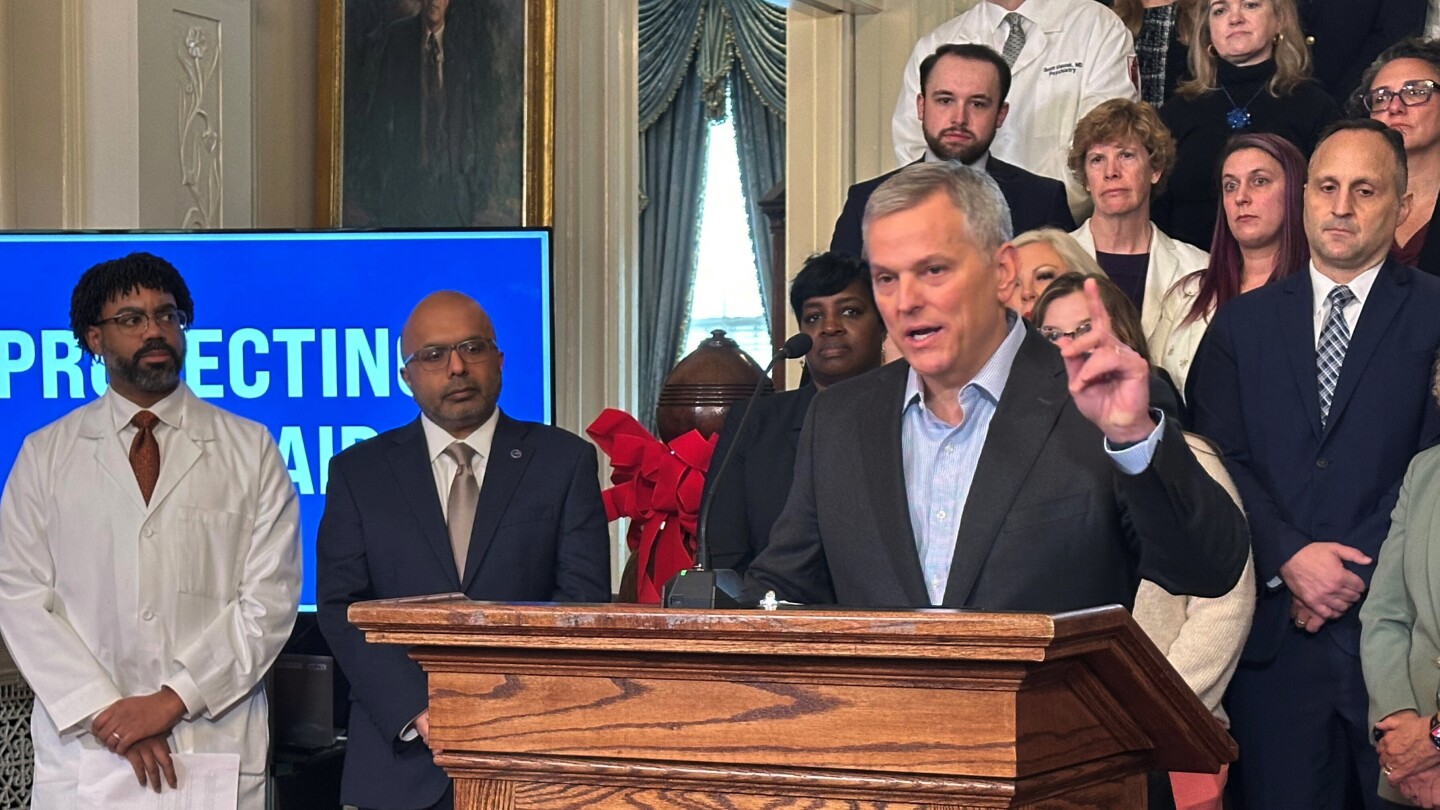
Standing alongside state Health and Human Services Secretary Dr. Dev Sangvai at a news conference in Raleigh, Stein revealed that the state would restore reimbursement rates for doctors, hospitals, and other medical providers of Medicaid services. The cuts, which ranged from 3% to 10% and took effect October 1, had created significant disruption across North Carolina’s healthcare system.
“What has not changed is the program doesn’t have enough money. What has changed is that the courts have made very clear that the rates have to go back,” Stein explained in an interview with The Associated Press.
The reversal comes after multiple legal challenges successfully blocked certain rate reductions. Organizations representing children with autism and adult care homes were among those who sued the health department and won court orders preventing specific cuts. Last week, additional groups representing doctors and service providers filed a broader challenge.
As part of the restoration, Sangvai confirmed that providers will receive retroactive reimbursements for the difference between the reduced and full rates for all claims filed since October 1.
The funding crisis stems from what Stein described as a $319 million shortfall in a stopgap spending measure approved by the legislature this summer. The governor insisted the cuts were unavoidable given the inadequate funding that failed to address population changes and rising healthcare costs.
“The legislature forced these cuts onto the program,” Stein said. “It was absolutely nothing that the department or I wanted to have happen.”
Republican lawmakers strongly disputed this characterization. GOP state Rep. Larry Potts, a health budget writer, countered that Stein “manufactured a crisis out of thin air, and regular North Carolinians paid the price for it.” Republican leaders maintain that the rate reductions were unnecessary and politically motivated, implemented early in the fiscal year when Medicaid funds were still available.
Healthcare providers attending the news conference described the real-world impact of the temporary reductions. Some doctors had declined to accept new Medicaid patients or reduced the number they would treat. The cuts worsened existing challenges in recruiting and retaining workers and prompted some providers to eliminate community-based services.
Dr. Benjamin Simmons, president of the North Carolina Academy of Family Physicians, highlighted the severity of the situation: “Many practices have faced the difficult possibility of closing their doors or laying off staff, jeopardizing care for all North Carolinians, not just those on Medicaid.”
The underlying budgetary problem persists, however. North Carolina remains the only state in the nation without an enacted budget, according to the National Conference of State Legislatures. While the Medicaid program won’t run out of money at current spending levels until spring, long-term solutions remain elusive.
House and Senate Republicans separately agreed in September to provide an additional $190 million to Medicaid but couldn’t resolve differences regarding funding for a standalone children’s hospital and rural health investments.
The political standoff between Stein and legislative leaders intensified when the governor formally called for a special legislative session last month to address the Medicaid funding gap. House Speaker Destin Hall and Senate leader Phil Berger refused to convene it, arguing Stein failed to meet the qualifications for such an extraordinary meeting.
Senate leader Berger separately criticized Stein’s administration for allegedly failing to consider cutting “unessential expenses” to ensure Medicaid operates efficiently.
While the legislature plans to convene next week, significant action or recorded votes appear unlikely. In the meantime, Dr. Sangvai emphasized the continuing risks of the funding shortfall: “Without full funding, vulnerable North Carolinians — children, seniors, veterans, people with disabilities — could lose access to care that they rely on.”
The situation is separate from national changes to Medicaid under President Trump’s new legislation that includes Medicaid cuts nationwide. Like other states, North Carolina is carefully monitoring program spending in anticipation of possible future financial demands resulting from these federal changes.
Fact Checker
Verify the accuracy of this article using The Disinformation Commission analysis and real-time sources.

13 Comments
This is a complex issue without easy answers. I hope the governor and legislators can work together constructively to find a way forward that balances fiscal responsibility and patient access to care.
Agreed, compromise and collaboration will be essential to resolving this ongoing dispute over Medicaid funding in North Carolina.
Interesting to see the governor reverse the Medicaid rate cuts. Preserving access to healthcare for vulnerable patients seems like the right call, even if it means continued budget wrangling with the legislature.
Agreed, it’s important to balance fiscal responsibility with ensuring critical services remain available, especially for disadvantaged populations.
It’s positive to see the governor take action to preserve healthcare access, even if the long-term solution remains elusive. Navigating the budget constraints and political divides will be crucial.
Definitely, finding a sustainable path forward that meets the state’s fiscal needs while ensuring vulnerable residents have coverage will require skilled leadership and compromise from all sides.
It’s good to see the governor taking action to protect healthcare access, even if temporary. Long-term sustainable funding for Medicaid will require compromise between the different political factions.
Absolutely, finding a bipartisan solution that meets the state’s fiscal constraints while ensuring vulnerable residents have coverage will be crucial.
The reversal of the Medicaid rate cuts is a pragmatic move, but the deeper challenges around healthcare funding in North Carolina will require tough negotiations and creative solutions.
While the governor’s decision to restore Medicaid rates is understandable given the legal challenges, it doesn’t address the fundamental funding shortfall. This issue is likely to remain contentious.
While the governor’s decision to restore Medicaid reimbursement rates seems reasonable given the legal challenges, the underlying funding issues remain unresolved. This is likely to be an ongoing battle.
This is a complex issue with the healthcare system and state budget both facing challenges. I’m curious to see how the funding dispute with the Republican legislators plays out going forward.
Yes, it will be interesting to monitor the ongoing negotiations and legal battles over Medicaid funding in North Carolina.