


Listen to the article
The North American Aerospace Defense Command (NORAD) deployed multiple U.S. fighter aircraft Thursday after detecting Russian military planes operating in the Alaskan Air Defense Identification Zone (ADIZ), a strategic buffer region between the two nations.
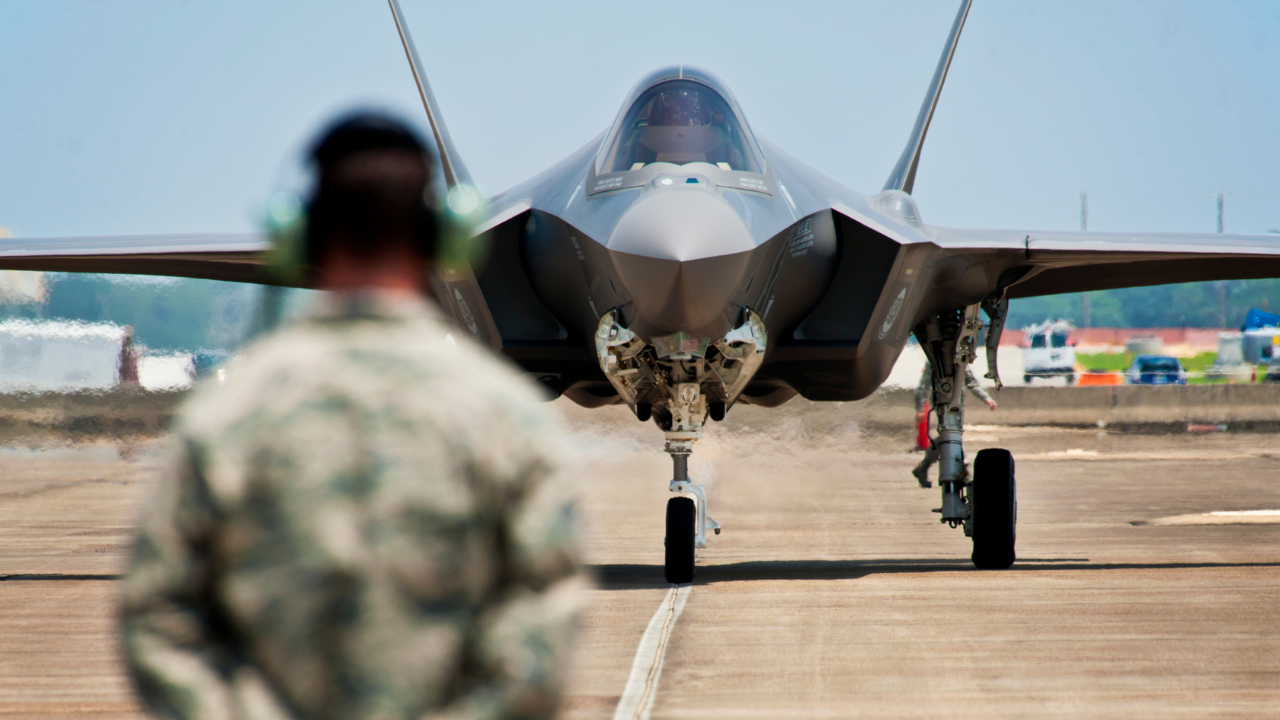
NORAD launched a substantial aerial response, including two F-16s, two F-35s, one E-3 surveillance aircraft, and four KC-135 aerial refueling tankers. According to a NORAD press release, these aircraft were tasked to “intercept, positively identify, and escort” the Russian planes until they departed the ADIZ.
The Russian formation consisted of two Tu-95 strategic bombers, two Su-35 fighter jets, and one A-50 airborne early warning aircraft. NORAD emphasized that the Russian aircraft remained within international airspace throughout the encounter and at no point violated American or Canadian sovereign territory.
“This Russian activity in the Alaskan ADIZ occurs regularly and is not seen as a threat,” NORAD stated in their official communication, characterizing the incident as part of routine air defense operations.
The Alaskan ADIZ serves as a designated region requiring strict identification protocols for aircraft operating in the area. While not sovereign U.S. territory, it functions as an important security buffer given its strategic proximity to Russia. The zone allows U.S. forces to identify potentially hostile aircraft before they approach North American airspace.
“NORAD employs a layered defense network of satellites, ground-based and airborne radars and fighter aircraft to detect and track aircraft and inform appropriate actions,” the agency noted, adding that it “remains ready to employ a number of response options in defense of North America.”
This aerial encounter comes amid heightened global tensions, particularly in the Middle East, where the U.S. has significantly bolstered its military presence. Kremlin spokesman Dmitry Peskov on Thursday urged Iran and “all parties in the Middle Eastern region to exercise restraint and caution” as American forces continue to deploy to the area.
“Russia continues to develop relations with Iran, and in doing so, we call on our Iranian friends and all parties in the region to exercise restraint and caution, and we urge them to prioritize political and diplomatic means in resolving any problems,” Peskov said, according to Reuters.
The U.S. has recently ordered the USS Gerald R. Ford, the world’s largest aircraft carrier, to the Middle East. The massive vessel was reportedly observed transiting through the Strait of Gibraltar into the Mediterranean Sea earlier this month. It joins the USS Abraham Lincoln and three guided-missile destroyers already positioned in the region since February.
This naval buildup comes amid ongoing tensions with Iran. Alireza Jafarzadeh, deputy director of the Washington office of the National Council of Resistance of Iran (NCRI), has claimed that satellite imagery shows the Iranian regime attempting to restore uranium enrichment capabilities at the Isfahan complex, despite diplomatic engagements with the U.S. administration.
The U.S. military previously conducted strikes against Iranian nuclear facilities in June, targeting the Isfahan complex along with sites at Fordow and Natanz.
NORAD’s interception of Russian aircraft near Alaska represents part of the ongoing complex strategic relationship between major powers. While such encounters are described as routine, they occur against the backdrop of significant international tensions and military posturing in multiple regions.
The interception also demonstrates NORAD’s continuous vigilance and multilayered approach to continental defense, employing various aircraft types and support systems to monitor and respond to foreign military aviation near North American airspace.
Fact Checker
Verify the accuracy of this article using The Disinformation Commission analysis and real-time sources.

12 Comments
I wonder what the strategic purpose is behind these Russian flights near Alaska. Are they simply testing NORAD’s response times, or is there a deeper political message being sent?
That’s a good question. NORAD’s characterization of it as ‘routine’ suggests it’s likely more about intelligence gathering and deterrence than any immediate threat. But the geopolitical context is always worth considering.
Interesting to see NORAD scrambling jets to monitor Russian military activity near Alaska. While not a direct threat, it’s a good reminder of the ongoing geopolitical tensions in the region.
Agreed. Maintaining air defense vigilance is crucial, even for routine incursions into the Alaskan ADIZ. Glad to see NORAD taking it seriously.
While not an immediate threat, these types of Russian military flights near Alaska are a constant reminder of the ongoing geopolitical tensions. It’s important for both sides to remain calm and professional to avoid any unintended escalation.
Absolutely. Keeping the situation stable and predictable, through clear communication and measured responses, is crucial for preserving regional security.
It’s reassuring to see NORAD take a measured response, neither overreacting nor underestimating the situation. Maintaining a professional, vigilant posture is the best way to de-escalate these types of encounters.
Agreed. NORAD’s approach of positively identifying and escorting the Russian planes, without violating airspace, seems prudent and responsible.
The Alaskan ADIZ is a strategically important buffer zone, and it’s understandable that both the US and Russia would want to maintain a presence there. As long as the interactions remain professional and within international norms, it’s likely just part of the broader geopolitical dynamic.
Well said. As long as both sides continue to operate responsibly and avoid any provocative actions, these types of encounters can be managed without escalating tensions.
The Alaskan ADIZ must be a busy airspace, with both US and Russian military flights operating in the region. Effective air traffic management and communication between the two nations is critical to avoid any unintended incidents.
Absolutely. Open communication channels and clear protocols are essential to maintaining safety and stability, even as the broader US-Russia relationship remains complex.