


Listen to the article
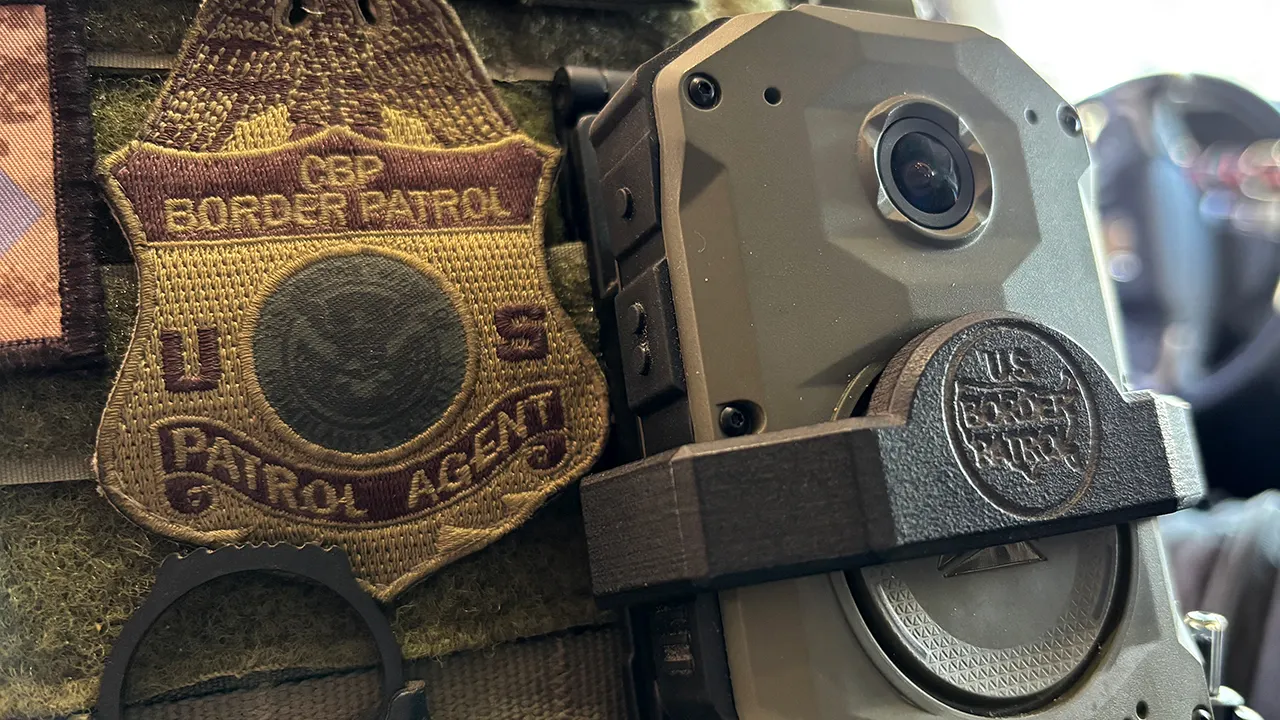
In a significant policy shift, Department of Homeland Security Secretary Kristi Noem has defended her decision to require body cameras for federal law enforcement agents, emphasizing that the equipment will ensure transparency during confrontational situations.
During an exclusive interview with Fox News Digital, Noem stressed the importance of body cameras for both officers and the public. “Our officers want it and the people want it,” she said. “They want the relationship with their communities to know all of the information that we need to have during these situations of conflict and violence.”
Noem explained that body cameras provide crucial documentation that helps “make sure that people know the truth of a situation and that we can get people help as soon as possible.” She noted that resource constraints have previously limited full implementation, though many Customs and Border Protection (CBP) officers already utilize the technology.
“The Department of Homeland Security trains a lot of federal agents already, and different agencies have body cameras that they wear already,” Noem clarified. “The problem was having the resources to get them on every agent and every officer that’s out there, and then having the resources to do the analyses and the storage of those videos.”
The DHS announcement on Monday mandating body cameras came amid heightened scrutiny of federal law enforcement following two fatal incidents involving authorities in Minneapolis. Renee Good and Alex Pretti were killed in separate incidents by federal agents, sparking protests and calls for greater accountability measures.
President Donald Trump addressed the policy change shortly after the announcement, clarifying that while he supports the decision, it was Noem’s initiative. “It wasn’t my decision,” Trump told reporters. “I would have you know I leave it to her. [Body cams] generally tend to be good for law enforcement because people can’t lie about what’s happening.”
The debate over body camera requirements became a contentious point during recent government shutdown negotiations. The implementation of body cameras was among several policy disputes between Republicans and Democrats regarding DHS operations and funding. While the government shutdown ended Tuesday with the passage of a $1.2 trillion funding package, the DHS budget was only temporarily extended through February 13 as negotiations continue.
The funding compromise reflects the ongoing policy disagreements surrounding immigration enforcement. The temporary extension for DHS gives lawmakers additional time to address controversial aspects of immigration enforcement, including body camera requirements, warrant procedures, and enforcement tactics.
The body camera mandate represents one response to calls for reform amid a polarized national conversation about immigration enforcement. While some progressive lawmakers have advocated for abolishing Immigration and Customs Enforcement (ICE) entirely, others have focused on policy modifications including face covering restrictions for agents, warrant requirements, and limits on random immigration enforcement operations.
The implementation of body cameras aligns with broader law enforcement trends across the country, where local police departments have increasingly adopted the technology to document interactions with the public. For federal agencies like CBP and ICE, which operate in politically sensitive contexts, the cameras may provide crucial evidence during controversial enforcement actions.
If lawmakers fail to reach consensus on DHS policies and funding by February 13, the government could face another partial shutdown, highlighting the continued political divisions surrounding immigration enforcement policies in the United States.
Fact Checker
Verify the accuracy of this article using The Disinformation Commission analysis and real-time sources.

6 Comments
This is an interesting policy shift. Body cameras can help provide transparency and accountability for both law enforcement and the public during confrontations. It’s good to see Secretary Noem emphasizing the importance of this technology.
This is a complex topic with valid concerns on all sides. While body cameras have benefits, their implementation requires careful consideration of factors like privacy, data storage, and potential misuse. I hope these nuances are thoroughly addressed.
While body cameras have their benefits, I’m curious how the implementation challenges around resources and logistics will be addressed. Ensuring full adoption across all federal agents will likely require significant funding and coordination.
That’s a fair point. Scaling up the use of body cameras across all federal law enforcement agencies will require careful planning and investment. Securing the necessary resources will be crucial for making this mandate effective.
The relationship between law enforcement and communities is so important. Hopefully, body cameras can help build trust and improve understanding on both sides during difficult situations. Transparency is key.
I appreciate Secretary Noem’s stance on this issue. Requiring body cameras for federal agents is a sensible policy that can enhance accountability and de-escalate confrontations. It’s good to see bipartisan support for this measure.