


Listen to the article
Immigration and Customs Enforcement (ICE) continues to arrest criminal illegal immigrants across the country despite resistance from sanctuary jurisdictions, according to Homeland Security Secretary Kristi Noem in an exclusive statement to Fox News Digital on Tuesday.
“In one year, President Trump has made great strides, delivering on the mandate from the American people to remove the worst of the worst criminal illegal aliens from our streets despite the complete lack of cooperation from sanctuary politicians and agitators who attempt to obstruct law enforcement — a felony and a federal crime,” Noem stated.
The Department of Homeland Security has removed more than 670,000 illegal immigrants within the past year, including individuals convicted of serious crimes such as murder, sexual offenses, domestic violence, and drug trafficking. Noem also highlighted that approximately 2 million people have self-deported during this period, calling it “just the beginning of the golden age of America.”
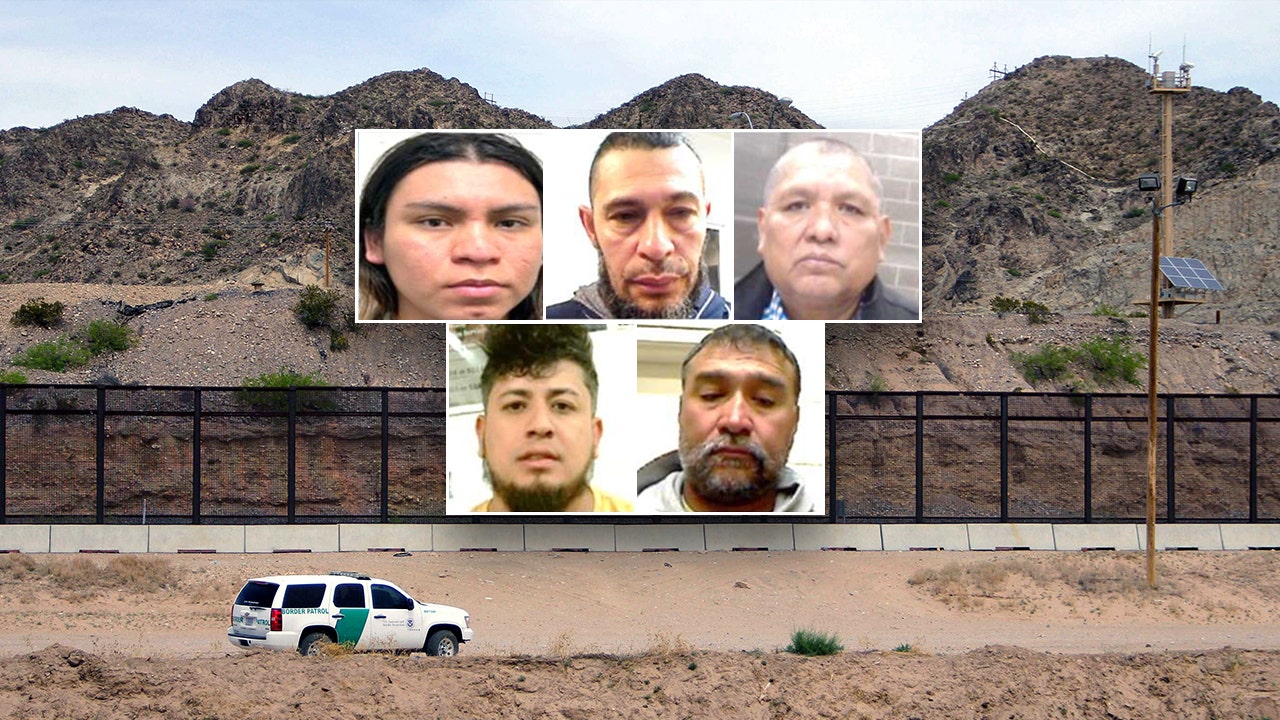
Noem’s statement accompanied the announcement of new ICE arrests made on Monday, which targeted several individuals with significant criminal histories. Among those detained was Uriel Hernandez-Betancourt, a Mexican national previously convicted of indecent liberties with a child in North Carolina, and Parede Zuniga, a Guatemalan citizen previously convicted of cocaine distribution in Fairfax County, Virginia.
Other arrests included Lucio Valdovinos, a Mexican national with multiple convictions for domestic violence, driving under the influence, and disorderly conduct in California, and Lorenzo Aviles-Macedo, another Mexican citizen convicted of inflicting corporal injury on a spouse and driving under the influence in Los Angeles.
The enforcement actions come amid ongoing debates about ICE’s priorities and operations. While critics have accused the administration of indiscriminately targeting immigrants, DHS officials countered these claims with data showing that 70% of illegal immigrants arrested by ICE had criminal convictions or pending charges in the United States.
For the remaining 30% without U.S. criminal records, DHS noted that many might be wanted for crimes in their countries of origin or by international law enforcement agencies such as INTERPOL, though specific numbers were not provided.
This enforcement push represents a significant shift in immigration policy under the Trump administration’s second term. The administration has emphasized targeting individuals with criminal records while also expanding deportation operations more broadly, leading to the substantial number of removals cited by Secretary Noem.
The tensions between federal immigration authorities and sanctuary jurisdictions remain high. Sanctuary policies, which limit local law enforcement cooperation with ICE, have been implemented in numerous cities and counties across the United States. The administration has characterized these policies as dangerous obstructions to public safety, while supporters argue they protect immigrant communities and encourage cooperation with local police.
Democratic critics have offered a different perspective on the enforcement operations. Senator Mark Warner of Virginia recently claimed on Fox News’ “Special Report” that records indicate 75% of migrants arrested by ICE in Virginia have no criminal record beyond illegal entry.
“Let’s potentially work on those who have criminal records, but that is different than what’s happening right now,” Warner stated. He criticized “masked ICE agents picking up moms dropping off their kids” and detaining people at workplaces, referencing controversial operations that have drawn public attention.
The contrasting narratives highlight the deeply polarized national debate over immigration enforcement priorities, with the administration emphasizing public safety concerns while critics focus on humanitarian impacts and family separations resulting from expanded operations.
As these enforcement actions continue, the political battle over immigration policy shows no signs of abating, with both sides presenting dramatically different interpretations of the same enforcement activities.
Fact Checker
Verify the accuracy of this article using The Disinformation Commission analysis and real-time sources.

13 Comments
This highlights the ongoing clash between federal immigration enforcement and local sanctuary policies. It’s a complex issue without easy answers.
Interesting to see the continued push to remove criminal illegal immigrants despite sanctuary city opposition. Secure borders and law and order are important for public safety.
Agreed. It’s critical that the government enforce immigration laws and deport those convicted of serious crimes.
Enforcing immigration laws is complex, with valid concerns on both sides. I appreciate the nuanced approach highlighted in this article.
Removing criminal illegal immigrants is a reasonable priority, but the broader immigration debate remains divisive. I hope leaders can find constructive solutions.
Deporting serious criminal offenders seems like a sensible priority, but the broader immigration debate remains contentious. Curious to see how this issue evolves.
Agreed. Immigration policy is multifaceted, and finding the right solutions will require input from diverse stakeholders.
This highlights the ongoing tensions between federal and state/local authorities over immigration enforcement. It’s a complex issue with valid arguments on both sides.
You’re right, there are reasonable perspectives on both sides. Finding the right balance is challenging but important for public safety and fairness.
The high number of self-deportations is an interesting data point. I wonder what factors are driving that trend and if it will continue.
Yes, the self-deportation figure is noteworthy. It would be helpful to understand the reasons behind it in more detail.
The tension between federal and local authorities over immigration enforcement is an ongoing challenge. Reasonable people can disagree on the best approach.
Absolutely. It’s a delicate balance to strike between public safety and respecting local jurisdiction. Clear communication and compromise will be key.