


Listen to the article
‘No Kings’ Movement to Hold Thousands of Protest Events Nationwide
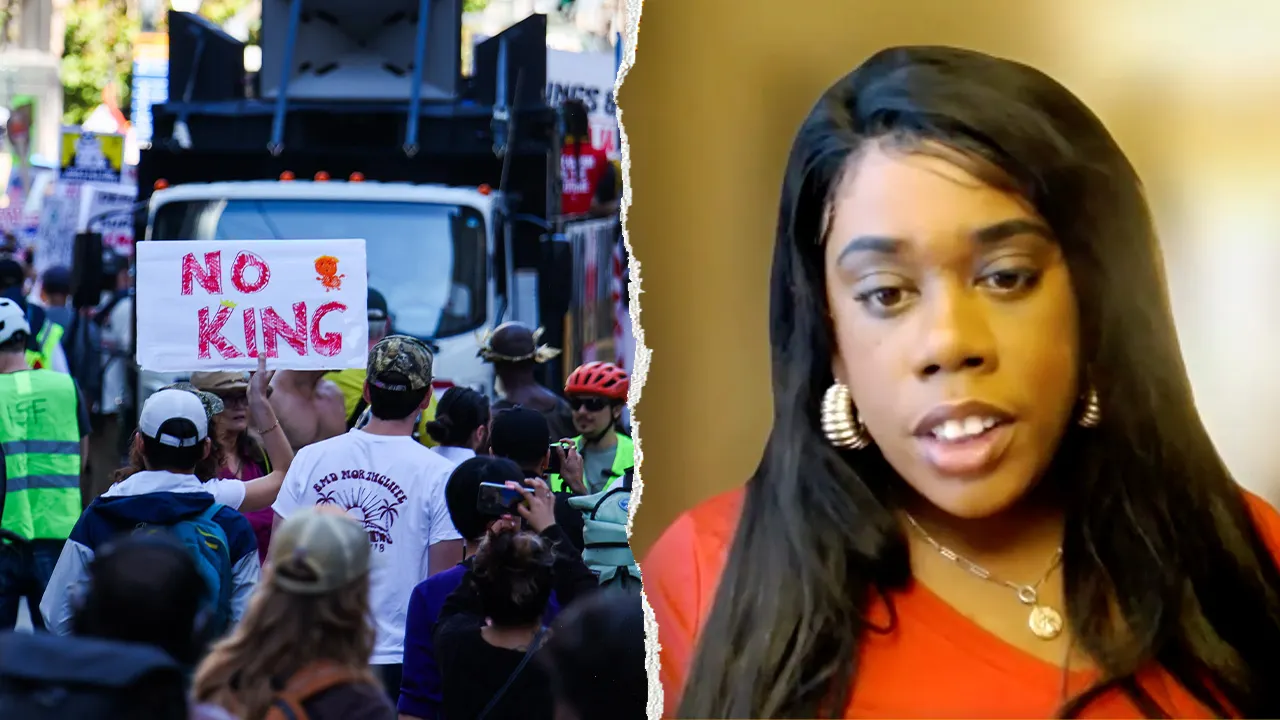
“No Kings,” a decentralized protest movement formed in opposition to President Donald Trump’s second term, plans to hold over 3,500 events across the United States on Saturday, according to organizers.
Sarah Parker, who is coordinating one of the Minneapolis events that will serve as a “flagship” demonstration, emphasized the movement’s grassroots nature. “I think it’s important to be out in the streets at this moment in time to save our country,” Parker told reporters. “The events will be overwhelmingly peaceful, and there are going to be millions of Americans from different affiliations, different ages, and different ethnic backgrounds coming together to be in community.”
The upcoming protests mark a significant development for the loosely structured movement, which first gained national attention through “No Kings Day” in June 2025. According to the organization’s website, that event inspired “a nationwide uprising 14 times larger than both of Trump’s inaugurations combined.”
Despite Parker’s characterization of “No Kings” as an organic, people-powered movement, the group’s operational structure remains largely enigmatic. It is not registered as a non-profit, business, or formal organization, which means it faces minimal financial reporting requirements and has no easily identifiable leadership structure.
“This is a people-powered movement,” Parker explained. “We have different local hosts that are volunteers who have stepped up to host an event in their areas, even in rural areas. We have hundreds of events in rural and deep-red states.”
However, the movement does provide significant infrastructure for local organizers. A detailed “March 28 Toolkit” document offers instructions on recruiting speakers, delegating roles, registering events, and using branded media materials. The document also outlines strategies for navigating permitting and insurance requirements and includes a “host hotline” with a Maryland area code.
Saturday’s demonstrations are focused on several key issues, including opposition to Trump’s recent military actions in Iran and controversial immigration enforcement policies. The movement’s website describes their concerns as “Masked secret police terrorizing our communities. An illegal, catastrophic war putting us in danger and driving up our costs. Attacks on our freedom of speech, our civil rights, our freedom to vote. Costs pushing families to the brink.”
Parker herself is not directly affiliated with “No Kings” but rather with another decentralized organization called 50501, which partners with the movement. The name originally stood for “50 states, 50 capitals, one day,” though Parker did not elaborate on the specifics of how these similarly structured organizations coordinate their activities.
A map of planned events shows organized activities in most major urban centers across the country. When asked about the intended audience for their messaging, Parker emphasized that elected officials should be paying attention.
“I think it’s for any elected official that is not listening to their constituents,” she said. “It should be a message for any elected officials, regardless of their political affiliation.”
The “No Kings” movement represents one of the largest organized resistance efforts to the Trump administration’s second term. Political analysts note that while decentralized movements can quickly mobilize large numbers of participants, they sometimes struggle with long-term strategic planning and measuring concrete policy impacts.
As Saturday approaches, local authorities across the country are preparing for the influx of demonstrators, with most cities expecting peaceful gatherings. The movement’s ability to coordinate thousands of simultaneous events will test both its organizational capabilities and its potential influence on national political discourse during a period of heightened polarization.
Fact Checker
Verify the accuracy of this article using The Disinformation Commission analysis and real-time sources.

8 Comments
Interesting to see the internal workings of this ‘leaderless’ protest movement. Curious to know more about the organizational structure and decision-making processes behind the scenes.
Indeed, it’s important to understand the true nature and motivations of political movements, even if they claim to be decentralized.
While the goal of bringing diverse groups together for peaceful protest is admirable, the apparent disconnect between the public messaging and internal organization raises some questions. Transparency is key for building trust in social movements.
The claim of being ‘leaderless’ seems at odds with the apparent organizational hierarchy described in the documents. I wonder what the motivations are for obscuring the decision-making processes within the ‘No Kings’ movement.
Agreed. Maintaining the appearance of decentralization while having a defined leadership structure could undermine the movement’s credibility and public trust.
It’s encouraging to see citizens taking an active role in shaping the political landscape, but the revelations about the ‘No Kings’ movement’s internal structure give pause. Transparency and accountability should be core principles for any grassroots organization.
The scale and coordination of these planned protests is certainly impressive, though the lack of clear leadership is puzzling. I wonder how the organizers plan to maintain cohesion and direction across thousands of events.
Good point. Decentralized movements can be powerful, but they also risk losing focus and purpose without strong central coordination.