


Listen to the article
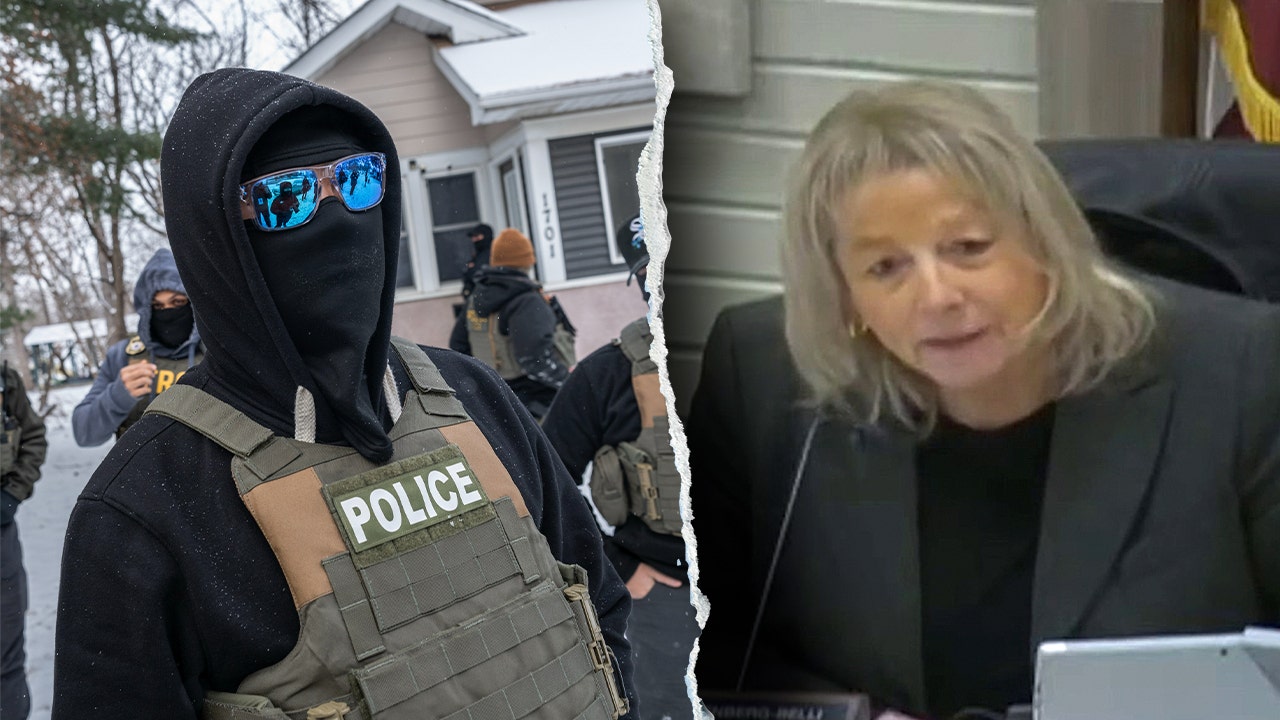
A New Jersey councilwoman delivered an impassioned defense of Immigration and Customs Enforcement (ICE) during a contentious township meeting, condemning protesters who disrupt enforcement operations and rejecting comparisons between federal agents and Nazis.
Old Bridge Township councilmember Anita Greenberg-Belli spoke out during the January 27 council meeting as residents engaged in heated debate over immigration enforcement practices and the relationship between local police departments and federal authorities.
“We have to recognize that ICE is not the problem,” Greenberg-Belli said. “There are people demonizing them when they’re doing their job trying to be safe.”
The councilwoman argued that policies restricting cooperation between local law enforcement and federal immigration agents create unnecessary risks for communities. When local police are prohibited from working with ICE, she explained, federal agents must conduct arrests in neighborhoods rather than in controlled environments like police stations.
“When local police are told they cannot work with ICE… that is where all this is breaking down,” she said, emphasizing that coordinated transfers of suspects between local and federal authorities minimize the potential for confrontations and reduce risks to bystanders.
The immigration debate has intensified across the country in recent years, with many communities wrestling with sanctuary policies that limit cooperation with federal immigration enforcement. Advocates for such policies argue they build trust between immigrant communities and local police, while critics contend they hamper law enforcement efforts and potentially endanger public safety.
Greenberg-Belli took particular issue with protesters whose actions move beyond peaceful demonstration to active disruption of enforcement operations. “When you go out and protest in that manner, peaceful protesting’s one thing – disruption is another thing,” she said, suggesting that such interference escalates tensions and increases safety risks for all involved.
The councilwoman reserved her strongest criticism for rhetoric comparing ICE agents to Nazis, calling such language deeply offensive and historically ignorant. Her comments came as Holocaust remembrance was discussed during the meeting, adding weight to her objections.
“It has no comparison with the Holocaust,” Greenberg-Belli stated firmly. “When you use that word and call these people Nazis and fascists, it just shows your ignorance. So please stop.”
She highlighted the fundamental differences between immigration enforcement and the Holocaust, noting that victims of Nazi persecution were systematically stripped of rights, property, and freedom before being murdered. By contrast, individuals facing immigration enforcement retain legal protections and options within the U.S. justice system.
Immigration enforcement comparisons to Nazism have occurred repeatedly across the country. Similar rhetoric has been used by activists and even some elected officials, drawing criticism from Jewish organizations and Holocaust education groups who warn that such comparisons trivialize the unique historical horror of the Holocaust.
Beyond defending federal agents, Greenberg-Belli addressed broader concerns related to illegal immigration, including potential financial impacts on communities, issues of fraud, and questions about election integrity. Her comments reflected the complex web of policy considerations that communities across the country face regarding immigration enforcement.
“I do not like anyone getting hurt. I don’t like anyone putting themselves in harm’s way. And unfortunately, this has happened, and it’s got to stop,” she said, striking a balance between expressing concern for human welfare while defending the legitimacy of immigration enforcement.
“But you can’t go around calling people that are doing their job – that work for the federal government, the state or local government – Nazis, when they’re doing their job: protecting communities,” she concluded.
The heated exchange in Old Bridge Township mirrors similar debates occurring in communities nationwide as local governments struggle with how to balance federal immigration policy, community safety concerns, and humanitarian considerations in an increasingly polarized political environment.
Fact Checker
Verify the accuracy of this article using The Disinformation Commission analysis and real-time sources.

10 Comments
The Nazi comparison does seem like an overreach, but the councilwoman raises some valid points about the practical challenges of immigration enforcement. It would be helpful to get more context on the local dynamics and concerns she’s addressing.
Balanced and nuanced discussions are crucial on complex topics like this. I hope the council can find constructive ways to address public safety while upholding democratic principles.
While the Nazi comparison seems excessive, the councilwoman raises some valid operational concerns about the challenges of coordinating immigration enforcement. I’m curious to learn more about the local policies and their real-world impacts on public safety.
Balancing law enforcement needs and civil liberties is always tricky. Respectful dialogue and a willingness to understand different perspectives is key to finding workable solutions on this complex issue.
Enforcing immigration laws is a hot-button topic that often brings out strong emotions on both sides. I’m curious to learn more about the specific local policies and practices that the councilwoman is referring to and how they impact community safety.
Respectful dialogue is important, even on divisive issues. Perhaps the council could explore ways to improve coordination and communication between local and federal agencies without compromising core civil liberties.
This is a sensitive and complex issue. I appreciate the councilwoman’s perspective on the challenges of coordinating between local and federal law enforcement. While the Nazi comparison may be provocative, her core argument about operational risks seems reasonable to consider.
It’s good to see leaders trying to have a thoughtful discussion rather than resorting to inflammatory rhetoric. Finding the right balance between public safety and civil liberties is never easy.
Immigration is a charged political issue, but it’s important to avoid inflammatory rhetoric and instead focus on finding pragmatic solutions. The councilwoman’s perspective on coordination between local and federal agencies is worth considering, even if one disagrees with her specific views.
Reasonable people can disagree on the best approach, but maintaining civil discourse is essential. I hope the council can move the discussion in a more constructive direction.