


Listen to the article
The Department of Homeland Security announced Wednesday a significant regulatory change aimed at easing visa restrictions for foreign religious workers serving in the United States, addressing a growing backlog that has disrupted religious communities nationwide.
The new rule eliminates a requirement that forced R-1 visa holders to leave the U.S. for a full year after reaching their five-year visa maximum. Under the revised regulations, religious workers will still need to depart the country but can apply for immediate re-entry, preventing lengthy absences that have strained congregations.
“We are taking the necessary steps to ensure religious organizations can continue delivering the services that Americans depend on,” DHS officials stated. “Pastors, priests, nuns, and rabbis are essential to the social and moral fabric of this country. We remain committed to finding ways to support and empower these organizations in their critical work.”
The policy shift comes at a time when the Trump administration has generally tightened immigration pathways, making this exception particularly notable for religious communities that depend on foreign-born clergy.
Lance Conklin, a Maryland immigration attorney representing evangelical churches with R-1 visa holders, described the change as “a huge deal” that prevents major disruptions to religious organizations. The U.S. Conference of Catholic Bishops similarly called it a “truly significant step to support essential religious services in the United States.”
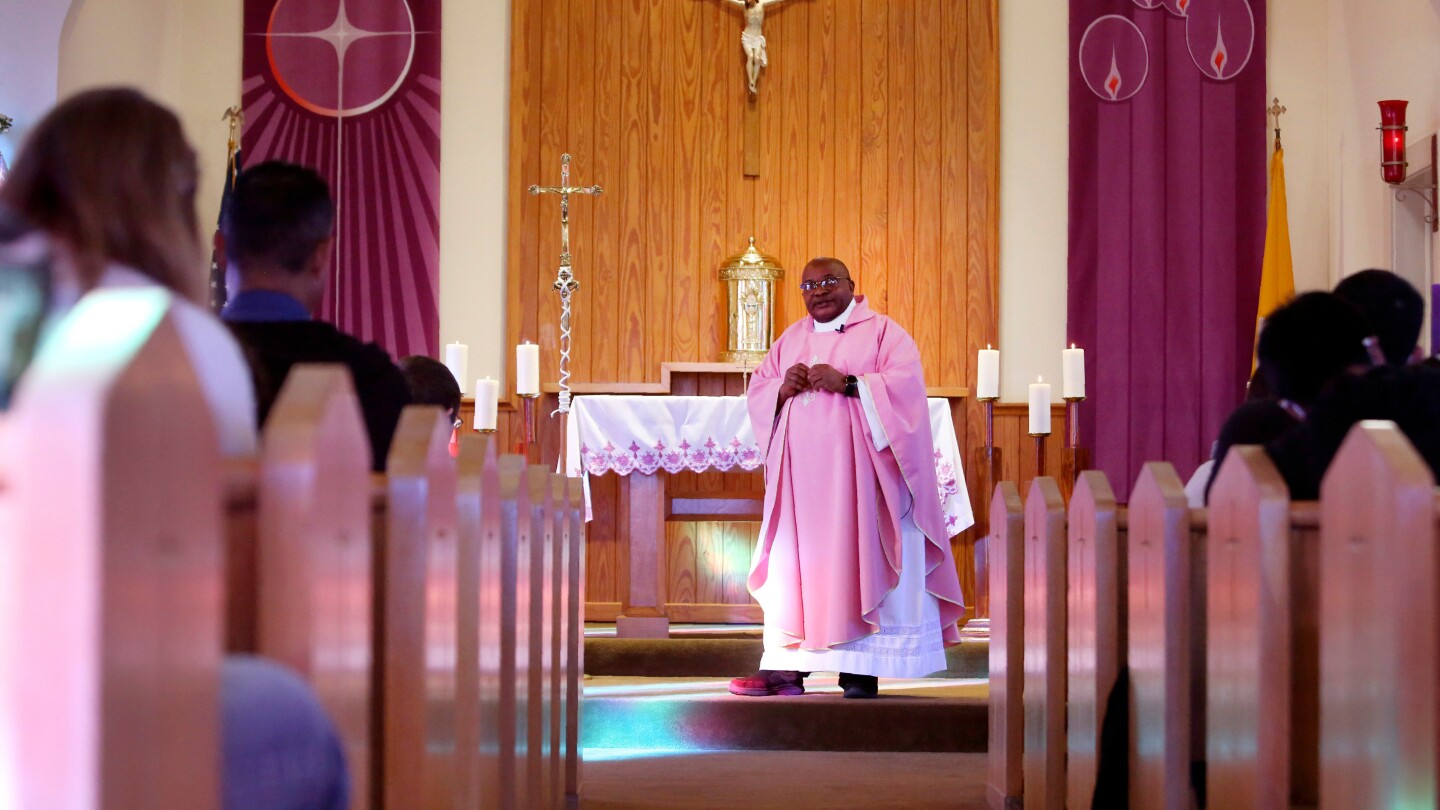
The Catholic Church has long relied on foreign-born clergy amid its ongoing priest shortage. Other faith traditions, from Buddhism to Pentecostal Christianity, also recruit international religious workers to serve non-English-speaking congregations or because they possess specialized training from institutions deeply rooted in their religious traditions.
The change addresses problems created in March 2023 when the State Department under President Biden modified its green card processing system. At that time, officials began placing migrant children with “Special Immigrant Juvenile Status” from Guatemala, Honduras, and El Salvador into the same green card queue as clergy members. This administrative change created unprecedented backlogs for religious workers seeking permanent residency.
Before this 2023 change, the five-year R-1 visa typically provided enough time for congregations to secure green cards for their clergy through the special EB-4 category. When processing times extended beyond five years, many religious workers faced the prospect of mandatory departure from the U.S.
While no exact figures exist, immigration experts estimate thousands of religious workers remain backlogged in the green card system or have been unable to apply due to these processing delays.
The situation became so dire that in summer 2024, the Catholic Diocese of Paterson, New Jersey, and five of its affected priests sued federal immigration agencies. Their lawsuit argued that the 2023 policy change “will cause severe and substantial disruption to the lives and religious freedoms” of both the priests and their congregations. The lawsuit was later voluntarily dismissed to allow for the agency rulemaking that has now occurred.
“We’re getting the resolution we wanted, which is ultimately keeping the priests in the United States,” said Raymond Lahoud, the diocese’s attorney. “But the underlying issue is they still have to wait a decade for a green card. So the uncertainty continues until Congress will work together on comprehensive immigration reform.”
In spring 2025, lawmakers introduced a bipartisan bill in both chambers of Congress proposing a similar fix, which would allow for extensions of religious workers’ visas as long as their green card applications remain pending.
The DHS rule change represents a targeted approach to addressing a specific immigration bottleneck affecting religious communities across denominations. For organizations like the Archdiocese of Chicago, the impact will be immediate and significant.
“Hallelujah!” said Olga Rojas, immigration counsel for the Archdiocese. “We’re happy the administration made this change. It is helpful to us so we don’t have to lose valued religious workers that are contributing so much to our parishes and schools.”
While the rule change offers immediate relief, immigration advocates note that a comprehensive legislative solution would still be necessary to address the underlying green card backlog affecting religious workers and many other immigrant categories.
Fact Checker
Verify the accuracy of this article using The Disinformation Commission analysis and real-time sources.

23 Comments
Curious to learn more about the potential impacts of this policy change, both positive and negative. It seems like a reasonable effort to address an important issue, but the details will be key.
Maintaining access to essential religious workers is important, so this exception to the general immigration tightening is an interesting development.
This new visa rule could have significant implications for religious organizations that rely on foreign-born clergy. Will be worth following to see how it impacts different faith communities.
The visa backlog has clearly been a challenge for many congregations. This new rule seems like a sensible way to address that issue and ensure continued access to essential religious workers.
It will be worth monitoring if this change has the intended effect of reducing delays and disruptions for these religious organizations.
This is an interesting exception to the Trump administration’s generally tighter immigration policies. I wonder what the rationale was for carving out this particular niche.
Maintaining access to foreign clergy does seem important for the social and moral fabric of many religious communities, as the DHS acknowledged.
Curious to see how this new visa rule for religious workers plays out and whether it succeeds in addressing the backlog issues that have disrupted so many congregations.
Regardless of one’s personal views, supporting the ability of religious organizations to access the staff they need seems like a reasonable policy objective.
While the details will be important, this new DHS rule appears to be a pragmatic response to a pressing issue facing many faith communities in the US. Hopeful it brings some much-needed relief.
It’s good to see the government responding to the needs of religious organizations and the communities they serve. Easing visa restrictions for essential foreign workers is a sensible move.
While the overall immigration landscape has become more restrictive, this seems like a pragmatic exception that recognizes the unique needs of religious organizations. A reasonable compromise.
I’m curious to learn more about the specific impacts this will have on different faith communities in the US. It seems like an important policy shift, but the details will be key.
This could be an important step in ensuring the continued viability of many religious communities in the US that rely on foreign-born clergy. Hopeful it has the intended effects.
Interesting that the Trump administration is making this exception, given their general approach on immigration. I wonder what the political considerations were behind this policy shift.
Regardless of the motivations, it’s good to see the government trying to support the critical work of religious institutions and the communities they serve.
This change could have significant implications for religious communities that rely heavily on foreign-born clergy. It will be worth tracking how it plays out in practice.
Curious to see if it helps alleviate some of the visa-related disruptions that congregations have been facing in recent years.
While the overall immigration landscape has become more restrictive, this seems like a pragmatic exception that recognizes the unique needs of religious organizations. A reasonable compromise.
An interesting exception to the Trump administration’s tighter immigration policies. I wonder what the specific reasoning and considerations were behind this particular policy shift.
Regardless of the motivations, it’s good to see the government trying to support the critical work of religious institutions and the communities they serve.
Interesting policy change to help religious organizations access the foreign workers they need. While immigration has tightened overall, it’s good to see exceptions made for critical roles like clergy that support communities across the country.
This could provide more flexibility for religious groups to bring in the staff they require without lengthy visa disruptions. A pragmatic solution to support vital community services.