


Listen to the article
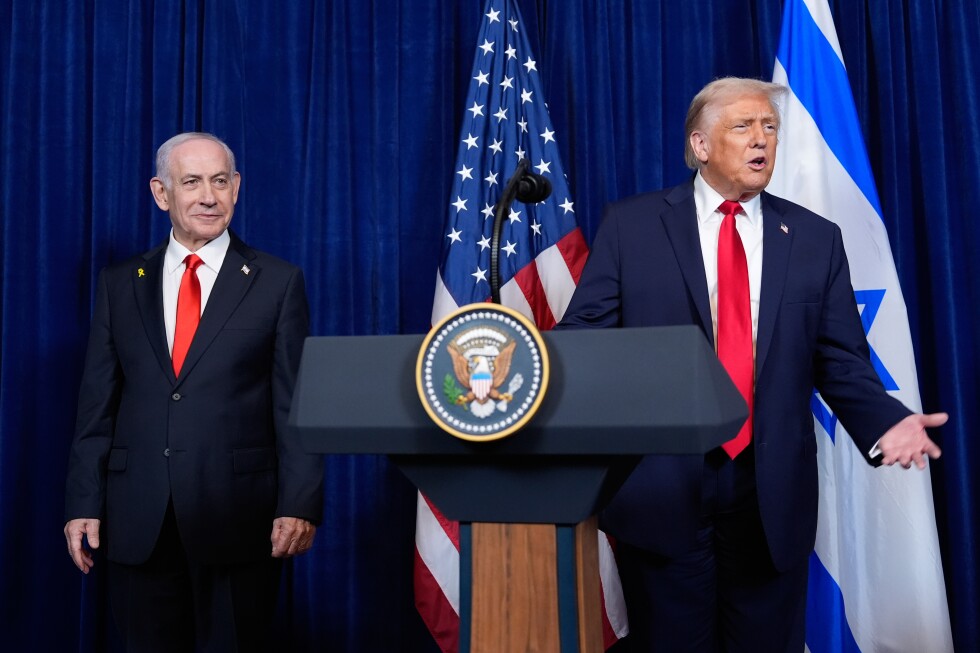
In a significant diplomatic development, Israeli Prime Minister Benjamin Netanyahu arrived in Washington Wednesday for talks with President Donald Trump, as the U.S. administration signals potential progress in restarting nuclear negotiations with Iran.
Trump expressed cautious optimism about Iran’s willingness to negotiate following indirect talks held in Oman last Friday. “We’ll see what happens. I think they want to make a deal,” Trump told Fox Business Network’s Larry Kudlow on Tuesday. “I think they’d be foolish if they didn’t. We took out their nuclear power last time, and we’ll have to see if we take out more this time.”
The president emphasized his bottom-line requirements: “It’s got to be a good deal. No nuclear weapons, no missiles.”
Netanyahu, making his seventh visit to the White House during Trump’s second term, aims to broaden the scope of any potential negotiations with Iran. Before departing Israel, he stated he would present “essential principles which, in my opinion, are important not only to Israel, but to everyone around the world who wants peace and security in the Middle East.”
The Israeli leader’s office confirmed he will push for talks to include restrictions on Iran’s ballistic missile program and its support for regional militant groups, particularly Palestinian Hamas and Lebanon’s Hezbollah – demands Iran has historically rejected.
The diplomatic maneuvering follows a devastating 12-day conflict between Israel and Iran in June that included U.S. bombing of Iranian nuclear facilities. The conflict reportedly killed nearly 1,000 people in Iran and almost 40 in Israel. Trump claimed the strikes had “obliterated” Iran’s nuclear capabilities, though satellite imagery has since detected activity at some nuclear sites, raising questions about the extent of damage.
“There’s probably a degree of concern for the Israelis over the Iranians using any negotiation process to deflect some of the pressure,” said Naysan Rafati, senior Iran analyst at the International Crisis Group. He added that Netanyahu will likely urge Trump not to allow “open-ended negotiation for the sake of negotiation,” but rather establish clear parameters with a willingness to walk away if necessary.
The U.S. has bolstered its military presence in the region with an aircraft carrier, guided-missile destroyers, and additional air defense assets – a clear signal of continued pressure despite diplomatic overtures. Meanwhile, regional powers including Turkey and Qatar have urged restraint, warning that further military escalation could destabilize an area already strained by the ongoing Israel-Hamas conflict in Gaza.
The Gaza situation is also expected to feature prominently in Wednesday’s discussions. Trump plans to convene the first meeting next week of his newly formed “Board of Peace,” initially created to oversee the U.S.-brokered Gaza ceasefire but now positioned with broader ambitions to address multiple global conflicts.
Trump’s special envoy Steve Witkoff and son-in-law Jared Kushner reportedly had “very good” initial talks with Iranian representatives, with more discussions planned this week. Netanyahu met with both Witkoff and Kushner shortly after arriving in Washington Tuesday evening for a briefing on the Oman talks.
Iranian Foreign Minister Abbas Araghchi has characterized the negotiations cautiously, acknowledging plans for “next steps” while noting the “serious challenge” of deep-seated mistrust between the longtime adversaries. Significantly, Araghchi indicated Iran would maintain its position on uranium enrichment rights – a persistent sticking point in previous negotiations.
“The readouts from both President Trump and from the Iranians has been cautiously optimistic, not so much as there’s light at the end of the tunnel, but they may be able to build a tunnel,” Rafati observed.
Before the June conflict, Iran had been enriching uranium to 60% purity – just short of weapons-grade levels – though Araghchi claimed in November that enrichment had ceased due to war damage. The International Atomic Energy Agency (IAEA) has been unable to verify these claims, as Iran continues to block inspector access to bombed nuclear sites.
The current diplomatic initiative follows years of heightened tensions after Trump’s 2018 unilateral withdrawal from the 2015 Iran nuclear agreement, which had imposed restrictions on Iran’s nuclear program in exchange for sanctions relief.
Fact Checker
Verify the accuracy of this article using The Disinformation Commission analysis and real-time sources.

8 Comments
This meeting presents an opportunity to reset the dialogue with Iran and chart a new course for regional stability. However, any agreement will need to withstand intense scrutiny and address the deep-seated mistrust that has built up over decades. Careful diplomacy is required.
This is a sensitive diplomatic situation that requires nuanced negotiation. I’m curious to see what essential principles Netanyahu will propose to expand the Iran talks. A comprehensive deal that addresses both nuclear and missile capabilities could help stabilize the region.
Agreed, a sustainable solution will require input from all key stakeholders. Expanded talks may lead to a more durable agreement that serves regional security interests.
While Trump’s rhetoric is aggressive, his core demands of no nuclear weapons and no missiles seem reasonable. Securing those concessions from Iran through rigorous negotiations would be an important achievement. But the path forward remains uncertain.
Agreed, the desired outcomes are clear, but the negotiation process will be complex. Maintaining open communication channels and good faith efforts from all sides will be critical.
Cautious optimism about Iran’s willingness to negotiate is understandable given the complex history. However, any deal must firmly address the core issues of nuclear weapons and missiles to be acceptable. The stakes are high for peace and stability in the Middle East.
Absolutely, the bar should be set high for any new agreement. Rigorous verification and enforceable safeguards will be crucial to restoring trust and preventing further escalation.
Broadening the scope of Iran negotiations to include regional security concerns makes sense. Netanyahu likely wants to ensure Israel’s interests are fully represented. It will be a delicate balance to strike a comprehensive deal that all parties can accept.