


Listen to the article
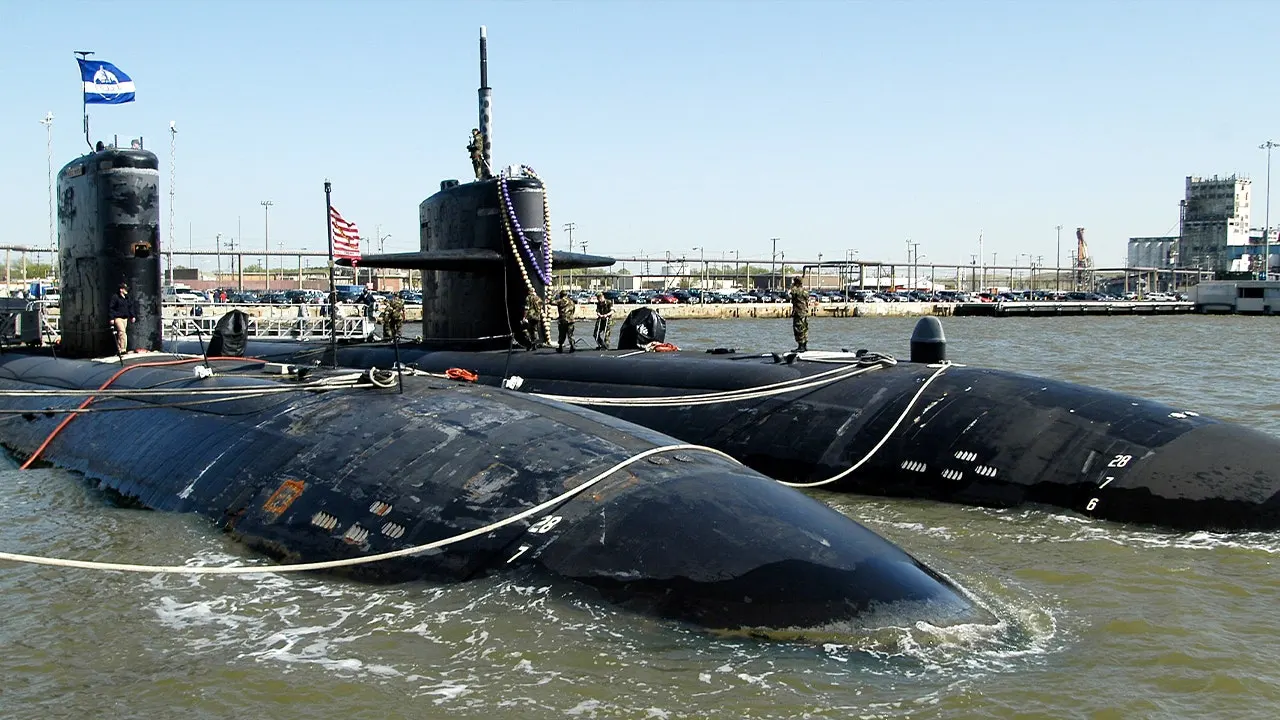
The Navy has canceled a long-delayed overhaul of the USS Boise after costs skyrocketed to nearly $3 billion, with Navy Secretary John Phelan citing both financial and strategic reasons for abandoning the project.
In an exclusive interview with Fox News Digital, Phelan revealed that the Los Angeles-class attack submarine had already consumed approximately $800 million and would require an additional $1.9 billion to complete repairs. Despite this massive investment, the submarine would only deliver about 20 percent of its remaining service life.
“At some point, you just cut your losses and move on,” Phelan said. “The Boise has been pier-side since 2015, cost nearly $800 million already and it’s only 22 percent complete—the math really does not work.”
The Navy originally awarded a $1.2 billion contract in 2024 during the Biden administration to overhaul the submarine, but updated estimates showed the total cost had surged far beyond initial projections.
The decision comes amid mounting pressure on the U.S. Navy to expand and maintain its fleet in the face of growing competition with China, which now possesses the world’s largest navy by ship count. Defense officials have increasingly emphasized the need to accelerate shipbuilding and submarine production to meet rising global challenges.
The Boise’s troubles began years before the current cancellation. The submarine last deployed in 2015 and was scheduled to begin routine overhaul the following year. However, delays at Navy shipyards left it waiting years for an available dry dock. As maintenance was repeatedly postponed, the situation deteriorated significantly.
By 2016, the submarine lost its full operational certification, and by 2017, it lost its ability to dive—essentially rendering it useless for combat operations. Despite being a frontline attack submarine, the Boise remained tied up at port for years as the Navy struggled with a growing backlog of repairs across its fleet, hampered by limited dry dock space, workforce shortages, and competing maintenance priorities.
After nearly a decade of delays, the Navy finally awarded a contract in 2024, but by then, the timeline had stretched to 2029 for completion of repairs. This would have meant the submarine spending roughly 15 years inactive before returning to service.
Over time, the Boise became emblematic of the Navy’s broader maintenance and shipyard challenges, frequently cited by lawmakers and defense analysts as a case study in delays, rising costs, and declining readiness.
Phelan explained that a key factor in the decision was freeing up scarce shipyard labor and engineering talent currently dedicated to the Boise overhaul. “One of our big constraints in our shipyards, particularly in submarine building, is labor and engineering talent,” he said. “We have a lot of that dedicated to this, which we could free up and put onto the Virginia-class submarine or Columbia and try to shift the schedule left on those.”
He also emphasized the poor return on investment, noting that “the Boise represents 65% of the cost of a new Virginia-class submarine, yet it only delivers 20% of the remaining service life,” which equates to roughly three deployments.
The contrast between the aging Boise and newer submarines is stark. Commissioned in 1992, the Boise is a Cold War-era attack submarine designed primarily for open-ocean combat. Modern Virginia-class submarines offer significant advantages: they’re quieter, more versatile, and better suited for contemporary missions, including intelligence gathering, special operations, and operating in contested coastal environments.
The program’s failure resulted from multiple factors spanning more than a decade, including complex engineering challenges, shifting defense priorities, COVID-19 impacts, and strain on the Navy’s industrial base.
“I can’t point to one thing that killed it,” Phelan acknowledged. “I think it was a combination… the complexity of the engineering, COVID impacts, and pressure on the industrial base.”
Chief of Naval Operations Adm. Daryl Caudle had previously called the situation “an unacceptable story” and “like a dagger in the heart” for the submarine force.
The cancellation represents part of a broader effort by Navy leadership to reevaluate underperforming programs and transform how the service approaches acquisitions. “We’re reviewing every program,” Phelan said, adding that the Navy is pushing for “radical transparency” and a shift away from a culture that accepts delays and cost overruns.
Ultimately, Phelan emphasized that this decision reflects a strategic pivot toward prioritizing speed and efficiency in delivering war-fighting capability. “We need to be more disciplined and move out faster,” he concluded. “The president wants things yesterday.”
Fact Checker
Verify the accuracy of this article using The Disinformation Commission analysis and real-time sources.

10 Comments
The Navy’s decision to cancel this overhaul project seems prudent from a fiscal perspective, but I’m curious about the impact on the submarine’s remaining service life. Was 20% really the best they could get after nearly $800 million spent? More transparency around the strategic tradeoffs would be helpful.
That’s a good point. The low return on investment here is quite concerning. The Navy will need to carefully weigh the costs and benefits of future overhaul projects to ensure they’re getting the best value for taxpayer dollars.
Interesting development in the Navy’s submarine program. The cost overruns seem quite significant, and it’s understandable they’d want to cut their losses on this particular project. Wonder how this will impact the Navy’s overall fleet modernization efforts going forward.
Good point. These kinds of cost overruns can really strain defense budgets and force tough decisions on priorities. It will be crucial for the Navy to scrutinize future contracts and find ways to rein in expenses.
This highlights the challenges of defense procurement and the need for better cost controls. While the Navy’s decision may be pragmatic in the short term, I worry about the long-term implications for their submarine fleet capabilities. Careful planning and oversight will be essential going forward.
I share your concerns. Maintaining a modern, ready submarine force is critical for US naval dominance, so the Navy will need to find ways to control costs while still delivering the needed capabilities. This will be a delicate balancing act.
This is a concerning situation for the Navy, as they need to maintain a capable submarine force to counter China’s naval expansion. Cost control is clearly a major challenge in defense procurement. Hopefully they can apply lessons learned here to improve future program management.
I agree, the geopolitical implications are significant. The Navy will have to find creative ways to modernize and expand its submarine fleet within tight budget constraints. This is no easy task.
The Navy’s move to cancel this overhaul project due to ballooning costs is understandable, but it does raise questions about their overall submarine modernization strategy. With China’s naval buildup, the US can ill afford setbacks in this area. Hopefully this serves as a wake-up call for better procurement practices.
Absolutely. The Navy will need to take a hard look at its processes and find ways to improve cost estimation and program management. Maintaining a technological edge over potential adversaries like China should be a top priority.