


Listen to the article
Civil rights groups have filed a legal motion asking a judge to safeguard voter information seized by the FBI during a raid at a Fulton County elections warehouse near Atlanta last month.
The NAACP, along with its Georgia and Atlanta chapters, and the Georgia Coalition for the Peoples Agenda filed the motion late Sunday, arguing that the January 28 seizure of ballots and other election materials violated voters’ privacy rights and could potentially interfere with voting rights.
“When Georgia residents registered to vote, they entrusted the state with sensitive personal information,” the organizations stated in their filing. The groups contend that the FBI raid “breached that guarantee, infringed constitutional protections of privacy, and interfered with the right to vote.”
The motion specifically requests the court to impose restrictions on how federal authorities can use the seized materials. Civil rights advocates want the judge to prohibit the government from using the voter data for purposes beyond the specific criminal investigation mentioned in the search warrant affidavit, explicitly barring its use for voter roll maintenance, election administration, or immigration enforcement activities.
Additionally, the organizations are requesting full transparency about the seizure, including a comprehensive inventory of all seized records, disclosure of everyone who has accessed the materials outside the criminal investigation team, information about any copying of records, and details about security measures implemented to protect the data.
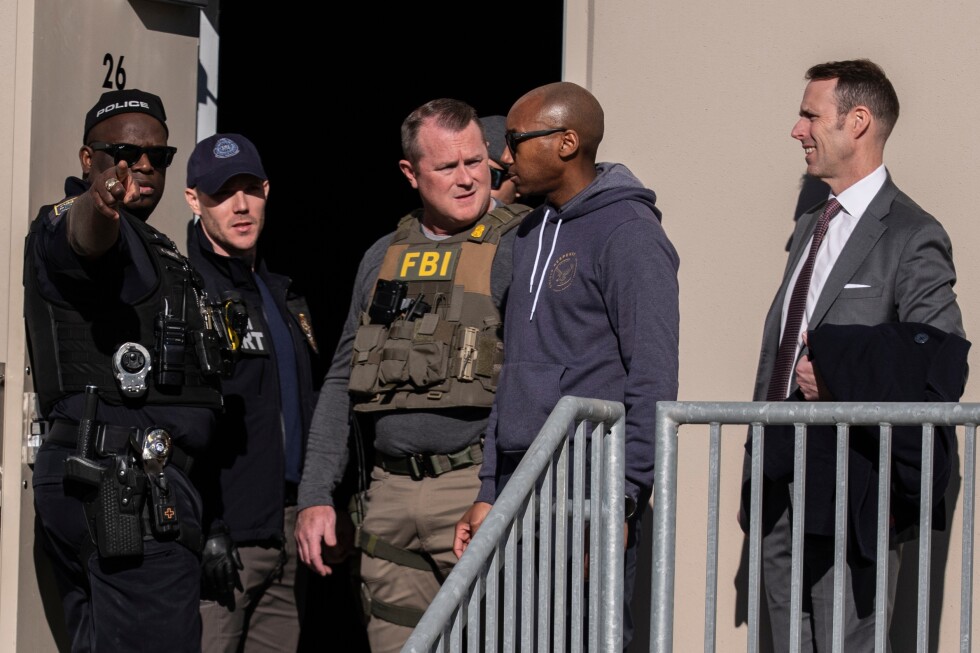
The FBI raid targeted materials related to the 2020 election in Fulton County, Georgia’s most populous county and a Democratic stronghold. Agents sought ballots, tabulator tapes from vote-counting scanners, electronic ballot images from the initial count and recount, and voter rolls. Fulton County has filed a separate motion seeking the return of these materials.
The criminal investigation that prompted the raid reportedly originated from a referral by Kurt Olsen, who advised former President Donald Trump during his attempts to overturn the 2020 election results. Olsen now serves as Trump’s “director of election security and integrity,” with a mission focused on investigating Trump’s election loss. Trump has repeatedly claimed, without providing evidence, that widespread voter fraud in Fulton County cost him Georgia in the 2020 presidential election.
This seizure occurs against a backdrop of broader Department of Justice efforts to obtain unredacted state voter registration rolls across the country. The DOJ has filed lawsuits against at least 23 states and the District of Columbia in attempts to access detailed voter information, claiming these efforts are part of election security measures. However, Democratic officials and civil rights groups have expressed concerns that the federal government might use this sensitive data for other purposes.
“These repeated efforts to access 2020 election records, including by the entity that now has custody of them, heightens concerns about the privacy and security of sensitive voter data and exacerbates the chill on voting rights,” the motion states.
Several federal courts have already rejected the Justice Department’s attempts to obtain such records in various states, highlighting the contentious nature of these data requests.
As of Monday, the Department of Justice had not responded to requests for comment on the civil rights groups’ motion. The case represents a significant intersection of voter privacy rights, election security concerns, and ongoing disputes about the 2020 election that continue to reverberate through the American political and legal landscape more than three years after the contested election.
Fact Checker
Verify the accuracy of this article using The Disinformation Commission analysis and real-time sources.

8 Comments
Interesting development in the ongoing saga surrounding the Fulton County election data seizure. It’s critical that voter privacy and integrity are protected, regardless of political affiliation. I hope the court imposes robust safeguards on the use of this sensitive information.
Absolutely. The right to vote and the confidentiality of voter data must be vigilantly guarded. Hopefully the judge will rule in favor of the civil rights groups and establish clear limitations on how the seized materials can be used.
This is a complex issue with valid concerns on both sides. On one hand, the authorities may need access to the data for a valid criminal investigation. But the civil rights groups raise valid privacy worries. I hope the court can find a reasonable compromise.
The NAACP is right to raise concerns about potential misuse of the seized voter data. Maintaining public trust in the electoral process is paramount, so I’m glad to see this legal challenge. Protecting voter privacy should be a bipartisan priority.
Agreed. Ensuring the fair and impartial handling of sensitive voter information is crucial, regardless of political leanings. The judge will need to strike a careful balance between legitimate law enforcement needs and safeguarding individual privacy rights.
This is a tricky situation with valid concerns on both sides. On one hand, the authorities may need access to the data for a legitimate investigation. But the civil rights groups are right to worry about potential misuse or privacy violations. It will be interesting to see how the judge rules.
Voter privacy is sacrosanct, so I’m glad to see the NAACP taking legal action to protect it. The court will need to carefully weigh the competing interests at play here. Hopefully they can find a solution that safeguards individual rights while still allowing necessary law enforcement activities.
The seizure of voter data is a concerning development that deserves close scrutiny. While the FBI may have had legitimate reasons, the potential for misuse or overreach is real. Robust judicial oversight and clear restrictions on how the information can be used are essential.