


Listen to the article
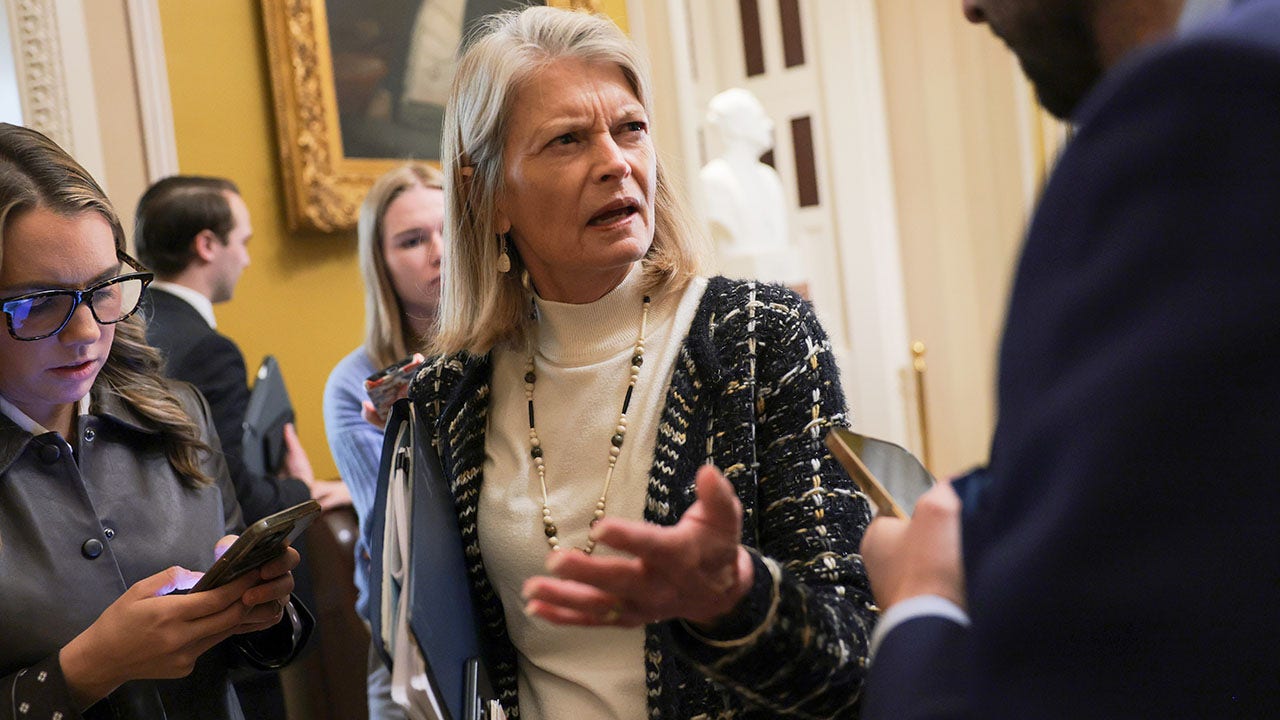
A Senate Republican who has consistently broken from GOP positions announced her opposition to voter ID legislation, highlighting a significant divide within the party on election reform. Sen. Lisa Murkowski of Alaska declared on Tuesday she would not support pending legislation aimed at implementing stricter election integrity measures backed by President Donald Trump and conservative colleagues.
Murkowski specifically opposed two House proposals: the Safeguarding American Voter Eligibility (SAVE) Act and the Make Elections Great Again (MEGA) Act. Her stance effectively reinforces what many Senate observers already recognize – without extraordinary procedural measures or Democratic support, these election reform initiatives face insurmountable obstacles.
“When congressional Democrats attempted to advance sweeping election reform legislation in 2021, Republicans were unanimous in opposition because it would have federalized elections, something we have long opposed,” Murkowski stated in her social media announcement. “Now, I’m seeing proposals such as the SAVE Act and MEGA that would effectively do just that. Once again, I do not support these efforts.”
The Alaska senator’s opposition creates a notable parallel to the GOP’s united front against Democratic election reform attempts during the Biden administration. Republicans staunchly opposed the John Lewis Voting Rights Act and the For the People Act, arguing those bills would have nationalized elections and given Democrats control of electoral systems nationwide.
Murkowski emphasized constitutional concerns as central to her position. “Not only does the U.S. Constitution clearly provide states the authority to regulate the ‘times, places, and manner’ of holding federal elections, but one-size-fits-all mandates from Washington, D.C., seldom work in places like Alaska,” she explained.
The timing of the proposed legislation also troubled Murkowski, who warned about disrupting preparations for upcoming elections. “Election Day is fast approaching. Imposing new federal requirements now, when states are deep into their preparations, would negatively impact election integrity by forcing election officials to scramble to adhere to new policies, likely without the necessary resources,” she cautioned.
Her stance highlights a fundamental tension between competing Republican priorities: the desire for election security measures like voter ID requirements versus the party’s traditional defense of state authority over elections. This contradiction has become increasingly apparent as President Trump has openly called for nationalizing elections – a significant departure from longstanding Republican positions.
The political reality in the Senate presents formidable obstacles for the voter ID legislation regardless of intra-party disagreements. With the 60-vote filibuster threshold intact, these bills cannot advance without support from Senate Minority Leader Chuck Schumer and Senate Democrats, making passage virtually impossible in the current political climate.
Several prominent Republicans, including Senate Majority Leader John Thune of South Dakota, have joined Murkowski in expressing reservations about Trump’s push to federalize election administration. However, public opposition to voter ID requirements among Republican lawmakers remains relatively uncommon, making Murkowski’s position particularly notable.
The debate reflects broader tensions surrounding election policy in American politics. While Republicans have traditionally championed state control over elections, the growing push for federal voter ID requirements represents a significant evolution in the party’s approach to election administration – one that has created new internal divisions as the party navigates competing priorities of election security and federalism.
As the legislative calendar advances toward the next election cycle, the fate of these voter ID proposals appears increasingly doubtful, underscoring the complex interplay between constitutional principles, partisan politics, and electoral reform in contemporary American democracy.
Fact Checker
Verify the accuracy of this article using The Disinformation Commission analysis and real-time sources.

9 Comments
As someone interested in mining and energy issues, I’m curious to see how this political debate around election reform could impact related legislation and policies down the line. Divisive issues like this can have ripple effects.
That’s a good point. Partisan gridlock on election issues could potentially spill over into other policy areas like mining and energy. It will be important to watch for any indirect impacts.
The debate over voter ID laws touches on fundamental questions about election integrity and access. I can understand the desire for measures to ensure the fairness of elections, but Murkowski’s perspective on building trust is also valid.
Agreed, there are valid arguments on both sides of this issue. Finding the right balance will be crucial, especially in a highly polarized political environment.
Murkowski is known for her independent streak, so her stance on voter ID is not entirely surprising. However, it’s still notable to see a Republican Senator break with the party’s mainstream position on this issue.
Yes, Murkowski has shown a willingness to buck her party before. It will be interesting to see if her position on voter ID influences any of her GOP colleagues.
Voter ID laws are a complex and contentious issue. I can understand Murkowski’s perspective that they may not be the best way to build trust in the electoral process. This is an issue that deserves careful consideration from all sides.
As someone interested in mining and energy issues, I’ll be watching to see if this political dispute has any indirect effects on legislation or policy in those sectors. Divisive debates like this can sometimes create gridlock across the board.
Interesting to see a Republican break ranks on voter ID legislation. Murkowski seems to be taking a principled stand on an issue where the party is deeply divided. It will be worth watching how this plays out.