


Listen to the article
Homeland Security Secretary Mulls Customs Halt at Sanctuary City Airports
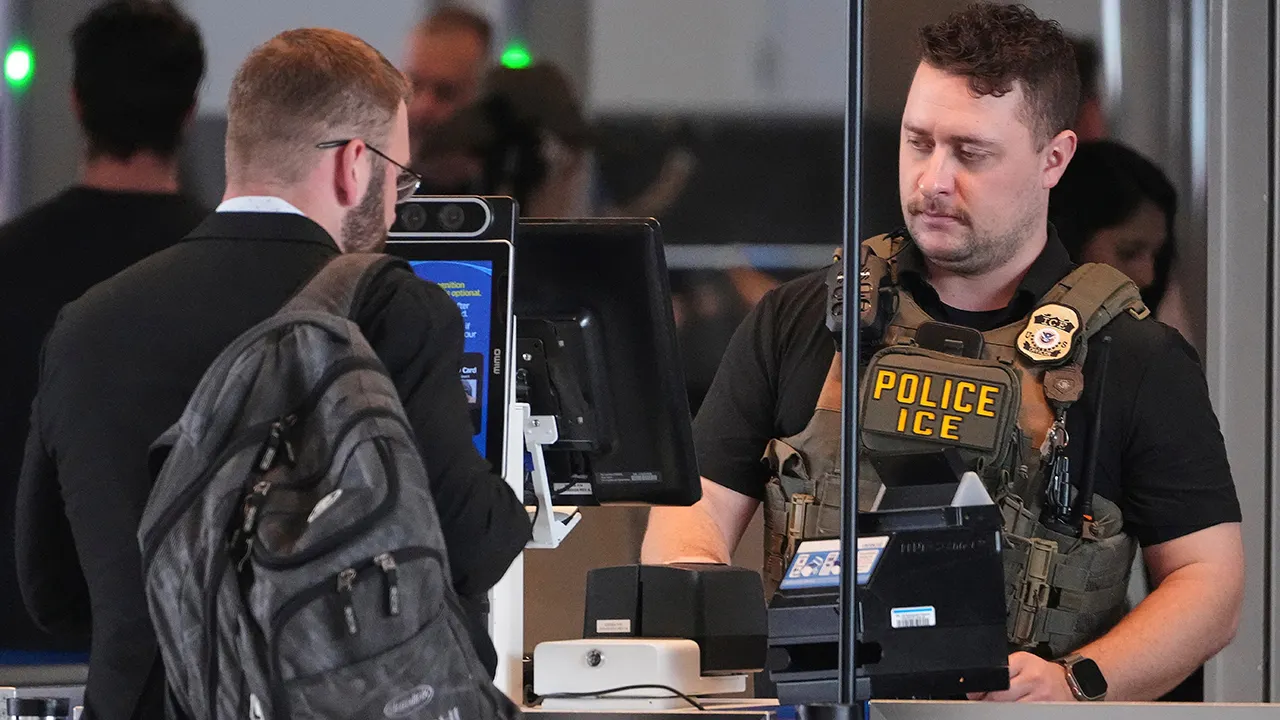
Homeland Security Secretary Markwayne Mullin has suggested the federal government could cease processing customs at international airports in sanctuary cities, a move that would apply significant pressure on these jurisdictions to cooperate with federal immigration enforcement.
The potential action would effectively block international travelers from entering major metropolitan areas including New York, New Orleans, and Philadelphia, directly impacting commerce, tourism, and the economic foundations of these urban centers.
“This one area we may take a look at is some of these cities have international airports,” Mullin stated during an appearance on “Special Report.” “If they’re a sanctuary city, should they really be processing customs into their city?”
Such a measure would leverage the Department of Homeland Security’s control over customs operations to address what Mullin characterized as unlawful sanctuary policies. These policies generally limit local law enforcement cooperation with Immigration and Customs Enforcement (ICE) and other federal immigration authorities.
The secretary emphasized that sanctuary jurisdictions cannot selectively choose which federal policies to follow. “If they’re a sanctuary city, and they’re receiving international flights, and we’re asking them to partner with us at the airport, but once they walk out of the airport they’re not going to enforce immigration policy, maybe we need to have a really hard look at that,” Mullin explained.
The proposed action would target major international gateways like New York’s John F. Kennedy and LaGuardia airports, Philadelphia International Airport, and Louis Armstrong New Orleans International Airport. Officials from these cities have not responded to requests for comment regarding the potential customs suspension.
The economic implications of such a move would be substantial. International airports serve as crucial economic engines for metropolitan areas, facilitating business travel, tourism, and global commerce. Suspending customs processing would effectively sever these cities from the international travel network, potentially costing them billions in economic activity and tax revenue.
The timing of Mullin’s comments is particularly significant as they come amid an ongoing partial shutdown affecting DHS operations. “We are going to have to start prioritizing things at some point,” Mullin noted, connecting the issue to broader budget disputes. “[They’re] wanting to defund Customs & Border [Protection] — well, who processes those individuals when they come off the planes?”
Immigration enforcement has become an increasingly contentious point of conflict between federal authorities and local governments. Some city officials have taken particularly strong stances against federal immigration enforcement, including Philadelphia District Attorney Larry Krasner, who recently threatened to prosecute ICE agents operating in his jurisdiction.
Mullin insisted his goal isn’t to exceed his authority but rather to encourage municipalities to work with federal immigration authorities. “I’m not trying to push those [boundaries],” he said. “I’m simply trying to convince all municipalities to partner with his agency.”
The proposal represents a significant escalation in the ongoing tension between the federal government and sanctuary jurisdictions. While previous administrations have attempted to withhold certain federal funding from sanctuary cities, targeting international travel infrastructure would represent a more direct and potentially disruptive approach to compelling cooperation.
Aviation and immigration policy experts note that such a move would likely face legal challenges, as cities would argue that the federal government cannot selectively withhold essential services based on unrelated policy disagreements. The proposal also raises questions about the potential for economic harm to businesses and travelers who are not directly involved in immigration policy disputes.
Fact Checker
Verify the accuracy of this article using The Disinformation Commission analysis and real-time sources.

10 Comments
This is a bold move by Homeland Security, but the economic impacts on sanctuary cities could be severe. I’m curious to see how the legal challenges and political fallout play out. Hopefully they can find a more balanced approach.
Mullin’s suggestion to halt customs processing at sanctuary city airports is certainly provocative. While it may put pressure on those jurisdictions, the potential disruption to travel and commerce is concerning. I hope they can find a resolution that addresses the immigration issues without causing undue harm.
Well said. Any policy that threatens to disrupt international travel and trade should be very carefully considered. There may be better ways to address sanctuary city policies without resorting to such heavy-handed tactics.
This is a complex issue with valid arguments on both sides. On one hand, sanctuary city policies can undermine federal immigration enforcement. On the other, blocking customs at major airports could be overly punitive and harm innocent travelers and businesses. Curious to see how the legal and political battles play out.
Sanctuary cities have been a thorny issue for the federal government. Mullin’s proposal to halt customs processing at their airports is a bold tactic, but it could have significant economic ramifications for those metro areas. I wonder how the cities will respond.
Good point. Any actions that disrupt international travel and trade could really hurt sanctuary cities financially. The federal government seems determined to find ways to challenge these policies.
Leveraging customs operations is a creative approach, but it seems like it could do more harm than good. Disrupting international travel and commerce in sanctuary cities may backfire and further inflame tensions. I hope they can find a more constructive solution.
Mullin’s proposal raises a lot of questions. While sanctuary city policies are controversial, using customs as a pressure tactic could have significant unintended consequences. I wonder if there are other ways to address these issues without resorting to such extreme measures.
Agreed, there may be better solutions than disrupting international travel. Both sides need to find a way to resolve this impasse without causing collateral damage to innocent parties.
Interesting move by Homeland Security Secretary Mullin. Leveraging customs operations at international airports could be an effective way to pressure sanctuary cities, though it may also disrupt travel and commerce. Curious to see how this plays out.