


Listen to the article
Minneapolis Grapples with Memorials for Citizens Killed in Federal Immigration Operation
As federal immigration operations in Minneapolis wind down, city officials face the sensitive task of managing two memorial sites that emerged spontaneously after U.S. citizens Renee Good and Alex Pretti were fatally shot by federal agents last month.
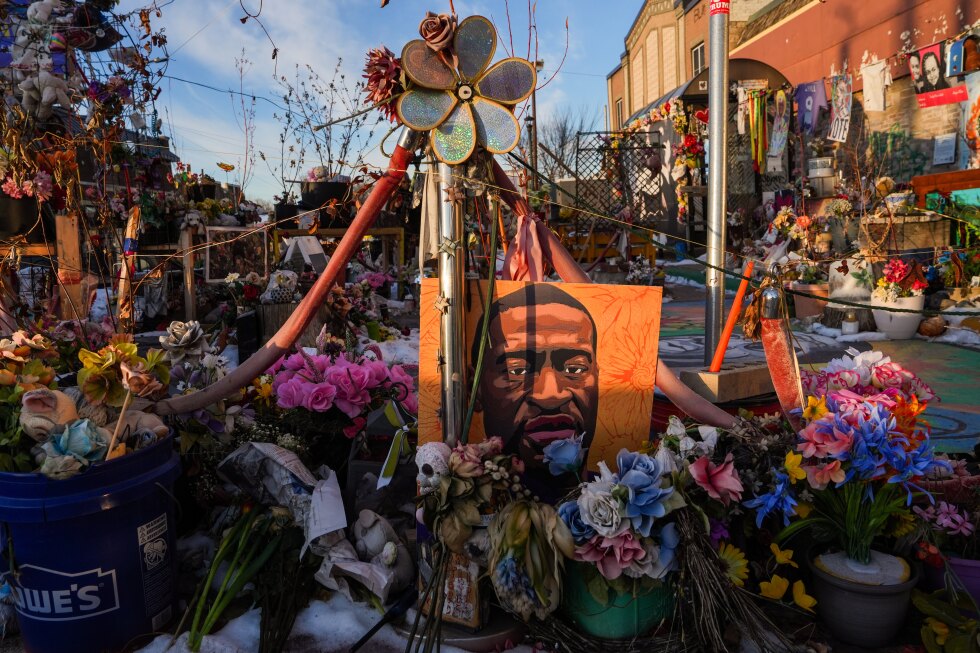
The makeshift memorials, adorned with flowers, artwork, and personal tributes, have quickly become gathering places for community mourning and solidarity. Both locations now draw a steady stream of visitors who come to pay respects, participate in candlelight vigils, and attend impromptu musical performances.
These public grieving spaces bear a striking resemblance to the memorial for George Floyd, who was murdered by a Minneapolis police officer in 2020 less than a mile from where Good was killed. The city spent more than five years determining how to officially memorialize George Floyd Square, with construction finally set to begin this year. Now Minneapolis faces similar decisions about two additional high-profile memorial sites.
The memorial for Good materialized within hours of her January 7 killing on a Minneapolis residential street. Similarly, protesters began marking the site of Pretti’s January 24 death with branches, police tape, and candles before the tear gas used by federal agents had even dissipated. In the following days, community members added crosses, stuffed animals, American flags, and images of Pretti.
For many residents, these memorials represent more than grief—they embody community resilience and solidarity during a traumatic period. Minnesota resident Karel Hoffmann expressed this sentiment while visiting Pretti’s memorial. “This is so unfair, the trauma, for everyone, is too much,” she said. “We’re all in this together. And I’m really glad they have this here so everybody can come and be together.”
Lynn Elrod, a local nurse, contributed a plastic evergreen tree decorated with red hearts and portraits of both victims. “I printed both of their pictures and put those on there again, just to signify the love that we have for both of them, really, and their contributions to the community and supporting their neighbors,” Elrod explained.
City officials have made accommodations for both memorials while maintaining essential traffic flow. The residential street where Good died remains open, but orange traffic cones create a narrow walkway for mourners, and volunteers maintain the growing collection of tributes between the sidewalk and street.
At Pretti’s memorial, located in the popular “Eat Street” commercial district, the city has temporarily shifted traffic lanes and closed parking spaces. Jess Olstad, a spokesperson for Minneapolis, explained that these measures “both ensures emergency vehicles can get through the area and protects those who gather or visit the memorial.”
The city’s immediate response has focused on providing space for community healing. “The City’s top priority is to give our community space to grieve and heal,” Olstad said, adding that officials are “actively working on next steps, including continued community engagement regarding both memorials.”
However, when asked about the possibility of permanent memorials, Ally Peters, a spokesperson for Mayor Jacob Frey, indicated last week that it was “too early” to comment on such plans.
The situation highlights the complex intersection of community grief, public space management, and the aftermath of controversial law enforcement actions. It also underscores how spontaneous memorials can become powerful symbols of collective mourning and community identity during times of crisis.
As Minneapolis navigates these sensitive decisions, the memorials continue to serve as focal points for a community processing the traumatic events that occurred in their neighborhoods. Whether these sites will eventually receive permanent status similar to George Floyd Square remains an open question as the city engages with residents to determine appropriate next steps.
Fact Checker
Verify the accuracy of this article using The Disinformation Commission analysis and real-time sources.

9 Comments
The memorial sites are a powerful symbol of the ongoing issues around police violence and accountability. I hope the city can find a way to preserve them as meaningful public spaces.
Agreed. Preserving these memorials could help keep the victims’ legacies alive and continue the important conversations around reform.
This is a difficult situation, but I’m hopeful the city can find a solution that respects the victims and supports the community’s need for healing and solidarity.
It’s heartbreaking that more lives have been lost to federal immigration operations. I hope the city can find a way to honor the victims and support the grieving community.
Absolutely. These memorials are a powerful way for the community to come together and process such a devastating loss.
This situation highlights the complexities around public memorials, especially for those killed by law enforcement. Careful consideration of the community’s needs will be essential.
This is a sensitive and complex situation. The city must balance honoring the victims while also considering the long-term plans for these public spaces. Community engagement and a thoughtful process will be crucial.
I agree. These memorials have become important gathering places for grieving and solidarity. The city must approach this delicately to respect the victims and the community’s needs.
The city faces a delicate balance in managing these memorial sites. I’m curious to see how they approach preserving the community’s grieving spaces while also considering long-term planning.