


Listen to the article
Immigration Crackdown Deals Severe Economic Blow to Minneapolis Businesses
Fear has emptied the dining room at Taste of East African restaurant in Minneapolis, where manager Hibaq Nimale and the owner now work alone. Their regular customers, delivery drivers, and staff have vanished amid an aggressive federal immigration enforcement operation that has transformed parts of the Twin Cities.
“Even if you tell ICE you’re a citizen they won’t listen, so everyone is scared,” said Nimale, a U.S. citizen who was raised in Kenya as a refugee from Somalia.
The economic impact of the operation, which has brought more than 2,000 federal immigration officers to Minneapolis and St. Paul, extends far beyond ethnic restaurants. Businesses across multiple sectors report sales drops of up to 80%, according to a lawsuit filed by Minnesota and the Twin Cities seeking to halt the operations. Hotels have temporarily closed, retailers face protests, and a planned general strike threatens to further disrupt the local economy.
The widespread fear has compounded challenges in a region already facing economic headwinds. A Minneapolis Federal Reserve report from January revealed that nearly 20% of surveyed businesses reported lower employment due to immigration enforcement concerns. Many establishments have temporarily closed, canceled events, or reduced hours as both staff and customers stay away.
“I’m seeing it impact everybody, just because of the lower levels of people traveling and spending discretionary income,” said Adam Duininck, CEO of the Minneapolis Downtown Improvement District.
The hospitality industry has been particularly hard hit. Multiple Twin Cities hotels that reportedly housed federal immigration officers faced persistent protests, forcing difficult decisions. At least three major properties—the Hilton DoubleTree and IHG InterContinental in St. Paul, and the Hilton Canopy in Minneapolis—were not accepting reservations as of Wednesday. Signs outside the DoubleTree and InterContinental indicated they were “temporarily closed for business until further notice.”
One hotel chain found itself caught in a political crossfire after canceling reservations for federal immigration officers following protests, only to reverse course when the Department of Homeland Security accused it of impeding law enforcement operations.
White-collar businesses haven’t been immune either. Fred Haberman, co-founder and CEO of a Minneapolis marketing firm, reports significant disruptions to employee support systems like schools and daycare programs that enable regular work schedules.
“Many of these businesses don’t have huge margins to play around with,” Haberman warned, expressing concern that prolonged enforcement actions could permanently alter the city’s economic landscape.
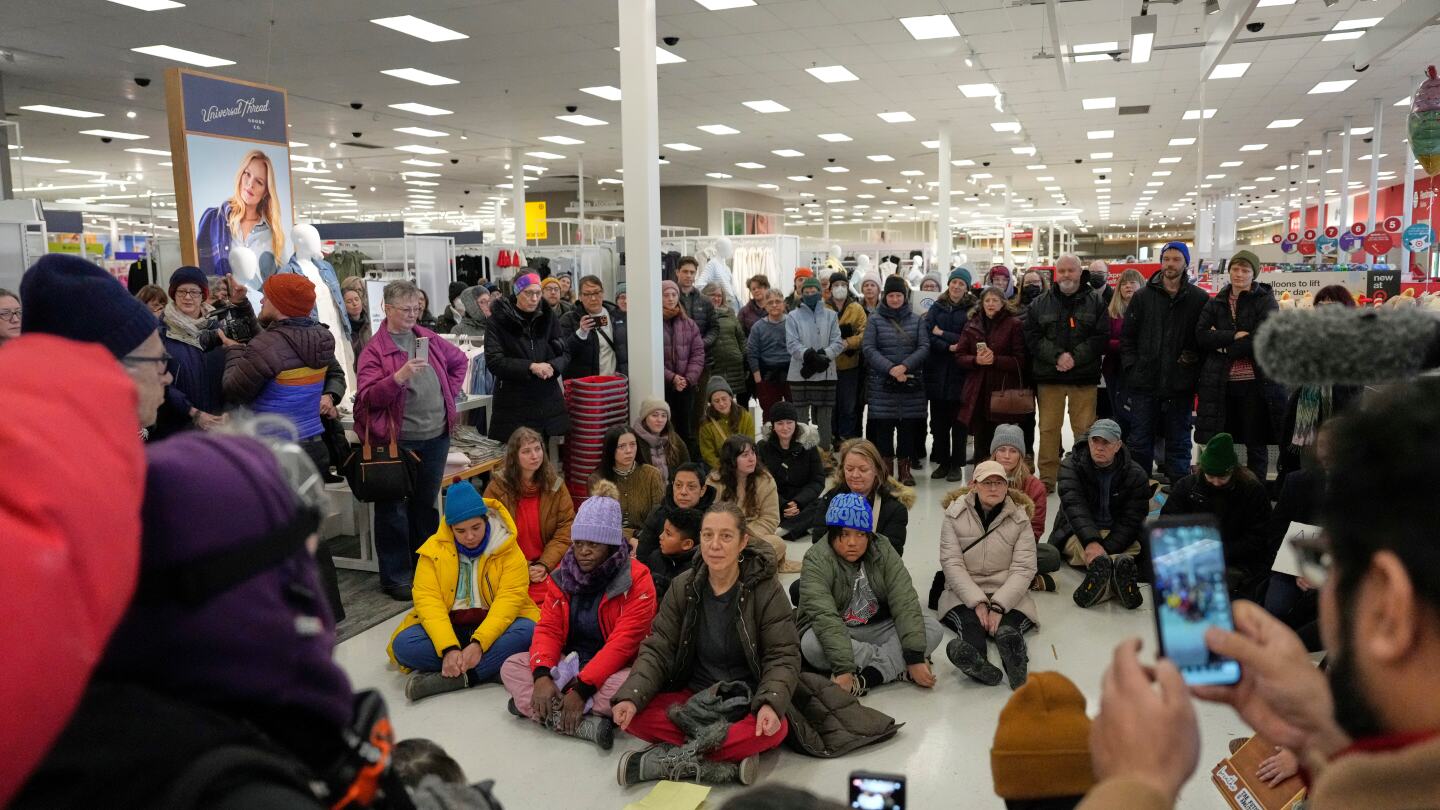
The situation has sparked organized resistance. Faith leaders, labor unions, and activists have called for residents to refrain from working, shopping, or attending school on Friday to “demand immediate cessation of ICE actions.” Target Corporation has faced particular pressure, with approximately 100 clergy members recently protesting at the entrance of its downtown Minneapolis headquarters, demanding the retailer take a stronger stand against federal immigration enforcement.
Immigration attorneys have raised concerns about potential overreach by federal officers, noting that while ICE can legally enter public areas of businesses, they need employer permission or a judicial warrant to access private spaces. Legal experts stress the importance of workers understanding their rights, including the ability to decline questioning, refuse searches, or request an attorney.
For Nimale’s restaurant, a temporary lifeline has emerged from an unexpected source. Non-immigrant neighbors unfamiliar with East African cuisine have begun visiting to show support, though they now constitute about 90% of customers compared to the pre-crackdown ratio where 80% were Somali.
While grateful, Nimale remains uncertain about the future. “We don’t know how long we can get support,” she said, echoing concerns shared by many Minneapolis business owners caught in the crossfire of federal immigration enforcement and local resistance.
The Department of Homeland Security, when asked about economic concerns, pointed to the protests and what spokesperson Tricia McLaughlin called “the fact sanctuary policies won’t allow us to work with state and local law enforcement.”
As the standoff continues, Minneapolis businesses face an uncertain future in what Duininck describes as “exactly what the political moment is for our city and for our country.”
Fact Checker
Verify the accuracy of this article using The Disinformation Commission analysis and real-time sources.

14 Comments
This is a complex situation with no easy answers. On one hand, the government has a duty to enforce immigration laws. But the severe economic impact on Minneapolis businesses is deeply concerning. I hope all stakeholders can come together to find a balanced solution that respects the rule of law while mitigating harm to the local economy.
Agreed, there are valid perspectives and interests on multiple sides of this issue. Maintaining public safety while supporting local enterprises is a challenging balancing act. Open dialogue and creative problem-solving will be essential to navigating this situation responsibly.
The economic toll on Minneapolis businesses reported in this article is quite alarming. While immigration enforcement is a complex and contentious topic, the severe impact on local employers and workers is undeniable. I hope city, state, and federal officials can work collaboratively to address legitimate concerns while protecting vulnerable enterprises and communities.
Absolutely, the economic fallout underscores how immigration policy decisions can have far-reaching consequences beyond just the targeted individuals. A nuanced, multi-stakeholder approach will be critical to finding constructive solutions that balance various priorities and interests.
The reported 80% drop in sales for some Minneapolis businesses due to increased immigration enforcement is very alarming. While the government has a duty to enforce laws, the severe economic impact on local enterprises and communities is deeply troubling. I hope city, state, and federal officials can work together to find a balanced approach that addresses legitimate concerns while protecting vulnerable businesses and residents.
Agreed, this underscores the challenging tradeoffs involved. Maintaining public safety is important, but the outsized toll on local employers and workers is unsustainable. Creative, collaborative solutions will be essential to mitigating the economic harm while still upholding the rule of law.
This situation in Minneapolis highlights the complex interplay between immigration policy and local economic realities. While the government has a role to play in enforcing laws, the severe impact on vulnerable businesses is concerning. I hope all stakeholders can come together to find pragmatic solutions that balance various priorities and interests in a responsible manner.
Well said. Maintaining a nuanced, balanced approach will be crucial. Immigration is a contentious issue, but the economic toll on local enterprises must be carefully considered. Constructive dialogue and collaborative problem-solving will be essential to navigating this challenge effectively.
This is a concerning situation for small businesses in Minneapolis. Immigration enforcement is a sensitive and complex issue, with economic impacts that go beyond just the targeted individuals. I hope the city and state can work with federal authorities to find a balanced approach that addresses legitimate security concerns while minimizing harm to local employers and communities.
Agreed, it’s a difficult balance to strike. Increased immigration enforcement may meet certain policy goals, but the unintended consequences on local economies can be severe. Proactive engagement between all stakeholders will be crucial to mitigate these impacts.
The reported 80% drop in sales for some Minneapolis businesses is staggering. Immigration is a politically charged issue, but the economic realities on the ground need to be carefully considered. I hope all parties can come together to find constructive solutions that address legitimate concerns while protecting vulnerable local enterprises.
Absolutely, the economic toll on Minneapolis businesses is clearly unsustainable. This underscores how immigration policy decisions can have far-reaching ripple effects on local communities. A collaborative, nuanced approach will be vital to support affected businesses and residents.
This situation in Minneapolis highlights the delicate balance between immigration enforcement and supporting local businesses. While the government has an obligation to uphold laws, the severe economic toll on vulnerable enterprises is deeply concerning. I hope all parties can come together to find pragmatic solutions that address legitimate security needs while minimizing harm to the community.
Well said. The economic realities on the ground need to be carefully weighed alongside immigration policy objectives. Open, good-faith dialogue between stakeholders will be crucial to navigating this complex issue responsibly and compassionately.