


Listen to the article
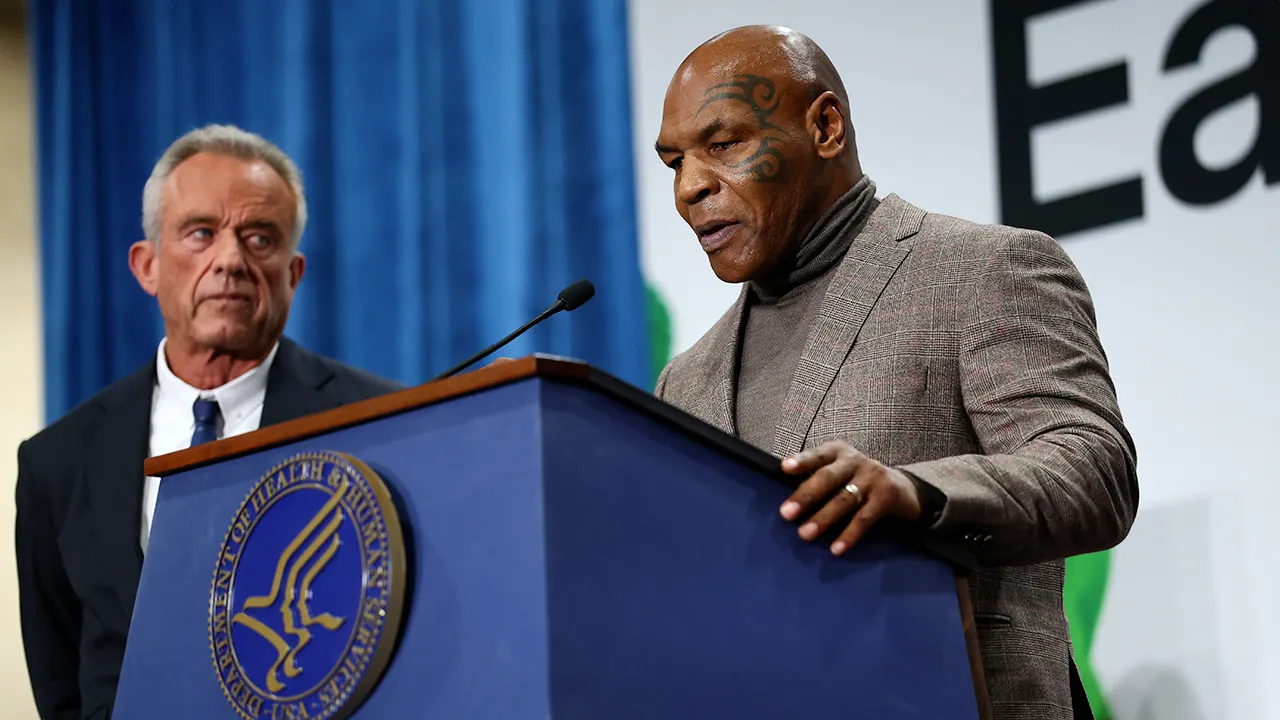
Former boxing champion Mike Tyson joined Health and Human Services Secretary Robert F. Kennedy Jr. and Agriculture Secretary Brooke Rollins on Wednesday to support the Trump administration’s initiative to combat obesity through new dietary guidelines.
During an event at HHS headquarters in Washington, D.C., Tyson shared his personal connection to the cause, revealing how processed foods affected his community and family.
“I had a sister that died at 25 from obesity. And where I come from, Brownsville, Brooklyn, is the most violent, poverty-stricken neighborhood in the city of New York and ultra-processed food was just the norm,” Tyson said. “We didn’t have much money, but we had food stamps, and food stamps can buy you the candy, the sugar and all that soda and all that rotten stuff.”
The legendary boxer, who recently appeared in a Super Bowl advertisement addressing America’s processed food problem, described this advocacy work as “the biggest fight of my life.” In the widely viewed ad, Tyson elaborated on his sister Denise’s death from an obesity-linked heart attack and declared, “I want to be a hero in this particular field because it affects my life.”
Kennedy and Rollins used the event to provide updates on the implementation of the administration’s new dietary guidelines, which were first unveiled in January. The guidelines represent a significant departure from previous nutritional recommendations that have guided American eating habits for decades.
“We were able to reduce hundreds of pages of dietary guidelines… to about six pages, but it’s just three words: Eat real food,” Kennedy told attendees as he closed the event.
The new guidelines effectively invert the traditional food pyramid structure, elevating protein, dairy, healthy fats, fruits and vegetables to prominence while relegating whole grains to a smaller role. The recommendations specifically target protein consumption of 1.2–1.6 grams per kilogram of body weight daily, along with three servings of vegetables and two servings of fruits every day. Americans are advised to consume two to four servings of whole grains daily, with a clear warning against refined carbohydrates.
These changes reflect Kennedy’s longstanding concern about chronic illness in America, which he believes stems largely from increased consumption of ultra-processed foods. Even during his 2024 presidential campaign, Kennedy emphasized the relationship between dietary choices and public health.
The government’s new dietary information portal, RealFood.gov, summarizes the philosophy behind the revised guidelines: “Better health begins on your plate — not in your medicine cabinet. The Dietary Guidelines for Americans, 2025-2030 put real, whole, nutrient-dense foods back where they belong: at the center of health.”
Tyson’s involvement brings a powerful personal narrative to the administration’s public health campaign. The former heavyweight champion described how training in upstate New York taught him sustainable health practices, though he admitted to occasional lapses that can lead to weight fluctuations of 20-40 pounds. However, he credited these foundational health principles with enabling him to regain control when necessary.
The partnership between the Trump administration and Tyson represents a high-profile effort to address America’s obesity epidemic through revised nutritional guidance rather than pharmaceutical interventions. By emphasizing whole foods and simplified dietary principles, Kennedy and Rollins aim to reverse trends in chronic illness that have accelerated alongside the proliferation of highly processed food products in the American diet.
For Tyson, who described the initiative on his social media as “the most important fight of my life,” the campaign against processed foods represents a deeply personal mission beyond the boxing achievements that made him famous.
Fact Checker
Verify the accuracy of this article using The Disinformation Commission analysis and real-time sources.

10 Comments
I’m skeptical about the Trump administration’s motives here, but if this initiative can genuinely help combat obesity, especially in underserved communities, that would be a positive outcome.
Fair point. We’ll have to see the details and how effectively it’s implemented. Addressing the root social and economic factors will be crucial.
It’s good to see Mike Tyson using his platform to raise awareness about obesity and processed foods. As a prominent figure, his personal experiences can really resonate and inspire change.
Absolutely. Obesity is a serious public health issue, especially in underserved communities. Tyson’s advocacy work could make a real difference.
Interesting to see Mike Tyson taking on this advocacy role. His personal story and credibility as a public figure could lend important weight to the issue of obesity and healthy eating.
Agreed. Raising awareness and driving policy change around these public health challenges is vital. Curious to see how this initiative progresses.
Tyson’s personal connection to this cause makes his involvement impactful. Losing a family member to obesity-related issues is tragic, and his willingness to share that story is admirable.
Agreed. Using high-profile advocates can help destigmatize these health challenges and encourage more open dialogue around solutions.
The new Trump administration initiative to combat obesity seems like a step in the right direction. Addressing the root causes, like access to affordable healthy foods, will be key.
Yes, this is an important issue that affects so many lives. Curious to see the specific policy proposals and how they’ll be implemented.