


Listen to the article
Migrants Trapped in Prolonged Immigration Detention Despite Willingness to Leave
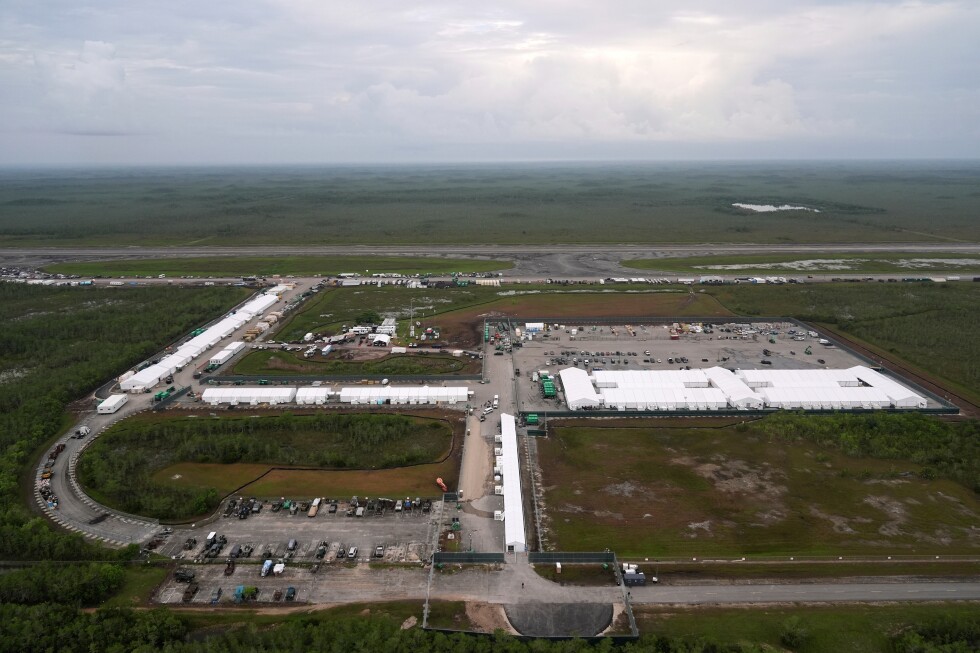
Felipe Hernandez Espinosa has been in U.S. immigration detention for nearly seven months, despite repeatedly requesting to return to Nicaragua. The 34-year-old asylum-seeker first spent 45 days at a Florida facility nicknamed “Alligator Alcatraz,” where detainees reported worms in their food, malfunctioning toilets, and overflowing sewage.
For the past five months, Hernandez has been held at Fort Bliss Army base in El Paso, Texas, a facility where two migrants died in January and which human rights groups say suffers from similarly poor conditions. Despite signing documents requesting deportation at least five times, he remains in detention.
“I came to this country thinking they would help me, and I’ve been detained for six months without having committed a crime,” Hernandez said in a phone interview. “It has been too long. I am desperate.”
Prolonged detention has become increasingly common under President Trump’s second term, partly due to a new policy that generally prohibits immigration judges from releasing detainees while their cases progress through backlogged courts. This has led to a sharp rise in extended detentions.
According to ICE data, the number of people in detention has topped 70,000 for the first time, with 7,252 individuals held for at least six months as of mid-January. This represents more than double the 2,849 detained for six months or longer in December 2024, during the final month of the Biden administration. Among those currently detained, 79 people have been held for over two years.
This trend appears to conflict with a 2001 Supreme Court ruling that found six months was a reasonable cap for immigration detention, stating that ICE cannot hold immigrants indefinitely.
The Trump administration has offered financial incentives for voluntary departure, including plane fare and $2,600, yet many detainees report being told they cannot leave until seeing a judge—appointments that can take months to schedule.
Legal advisers confirm these are not isolated cases. Ana Alicia Huerta, a senior attorney at the California Collaborative for Immigrant Justice, encountered multiple detainees during her January visit to an ICE detention center in McFarland, California, who had agreed to leave the United States but remained in custody.
“All are telling me: ‘I don’t understand why I’m here. I’m ready to be deported,'” said Huerta. “That’s an experience that I’ve never had before.”
The Department of Homeland Security maintains that its policies follow the law, citing a court ruling that allows the administration to continue detaining immigrants without bond.
Sui Chung, executive director at Americans for Immigrant Justice, attributes the rise in voluntary departure requests to deteriorating detention conditions. “The conditions are so poor and so bad that people say, ‘I’m going to give up,'” Chung explained.
Wait times for deportation can vary widely depending on the destination country. While deportations to Mexico are routine, nations including Cuba, Nicaragua, Colombia, and Venezuela have at times resisted accepting deportees, further extending detention periods.
Particularly concerning are cases involving individuals who have won protection under the United Nations Convention Against Torture. These migrants cannot be deported to their home countries but may be sent elsewhere. Previously, such individuals were typically released and eligible for work permits while alternative arrangements were made.
Sarah Houston, managing attorney at Immigrant Defenders Law Center, reports having at least three clients with UN torture convention protection who have been in custody for more than six months. One Salvadoran client has been detained for three years and remains in custody in California despite winning his case in October 2025.
“They’re just holding these people indefinitely,” Houston said, noting that quarterly requests for their release are routinely denied by ICE. “We’re seeing people who actually win their immigration cases just languishing in jail.”
Hernandez’s situation illustrates this troubling pattern. After crossing the Mexican border in 2022 with his wife and requesting asylum based on death threats for participating in anti-government protests in Nicaragua, both were detained in July while he was on a lunch break from his job installing power generators in South Florida. Although a judge allowed his wife to return to Nicaragua without a formal deportation order in August, Hernandez remains detained.
DHS claims Hernandez appealed a deportation order in January 2025 and cannot be removed now because it could violate his due process rights—though Hernandez maintains he has repeatedly requested deportation.
Other cases follow similar patterns. Yashael Almonte Mejia, a Dominican asylum-seeker, has been detained for eight months since the government sought dismissal of his asylum case in May 2025. During his detention, he married his pregnant American girlfriend via video call and became father to a daughter he has never met in person.
The pattern of extended detention appears to be a systemic issue affecting thousands across the immigration detention system, leaving many migrants in legal limbo despite their willingness to leave the country.
Fact Checker
Verify the accuracy of this article using The Disinformation Commission analysis and real-time sources.

6 Comments
The situation described is concerning. Detainees should not have to endure such poor conditions, even if their legal status is in limbo. Timely processing and humane treatment should be priorities. It’s troubling that some have died in these facilities.
You’re right, the loss of life is tragic and unacceptable. More transparency and accountability are needed to ensure proper standards of care are met in these detention centers.
This is a complex issue, but the reports of substandard conditions and prolonged detention periods are worrying. The US should be able to manage immigration cases efficiently and humanely. Detainees’ basic rights and needs must be protected.
I agree, the situation seems to have deteriorated under the current administration’s policies. Striking a balance between security and compassion is crucial. Improvements are clearly needed.
It’s troubling to hear about the dire conditions and prolonged waits migrants are facing in US detention centers. This seems to go against the principles of compassion and fairness that the US should uphold. Proper oversight and humane treatment are essential, even for those awaiting immigration proceedings.
I agree, the reports of worms in food, malfunctioning toilets, and other poor conditions are unacceptable. The US should be able to manage these facilities in a more dignified manner.