


Listen to the article
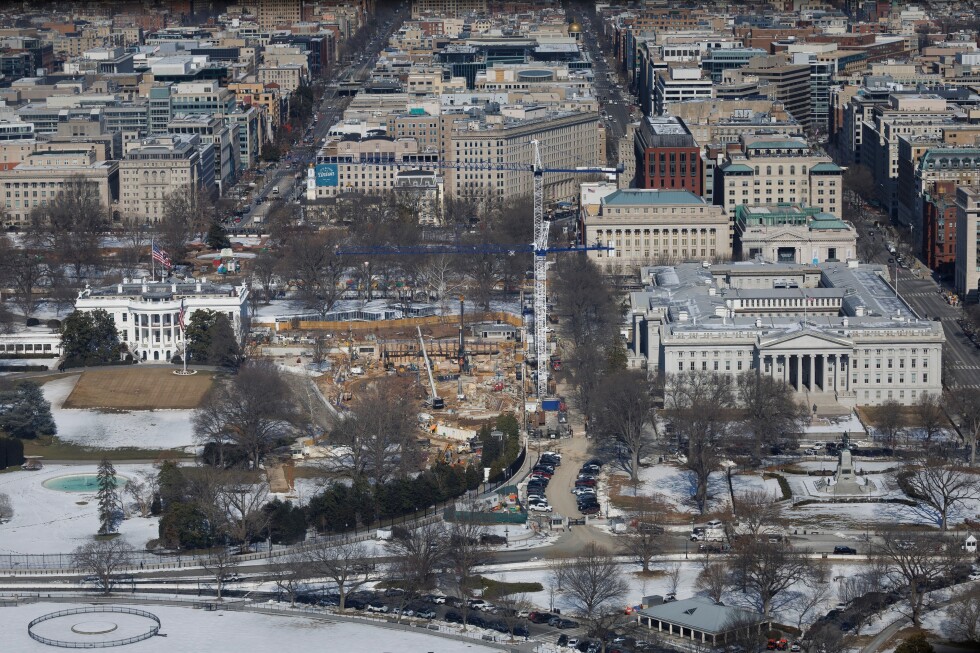
The eastern facade of the White House mansion has been “excellently preserved” during the demolition of the East Wing to accommodate President Donald Trump’s planned ballroom, according to a memo released Friday by the administration.
Joshua Fisher, director of the White House Office of Administration, detailed in the document how contractors took significant precautions during the demolition process. Heavy equipment was kept at a safe distance from the historic residence, and some architectural elements were carefully removed by hand. Fisher noted that certain sections of the building were stabilized beforehand, with ongoing monitoring for vibration and crack movement throughout the process.
The memo was submitted to the National Capital Planning Commission, which had requested additional information about the demolition that began last fall with minimal advance notice. The commission, currently headed by a senior Trump administration official, oversees construction and major renovations to government buildings in the Washington, D.C. region.
The demolition has been controversial since its inception, bypassing the typical independent reviews, congressional approval, and public comment periods that are standard practice for modifications to historic buildings in the capital. The unusual approach to the project prompted the National Trust for Historic Preservation to file a lawsuit seeking to halt the ballroom construction.
Fisher’s memo provides an extensive historical account of the East Wing dating back to Thomas Jefferson’s presidency and offers the White House’s rationale for the demolition. According to the document, preserving the existing structure while meeting the President’s vision for the project was deemed unfeasible. The planned ballroom will incorporate an enhanced visitors center with improved security screening capabilities and is expected to reduce the need for road closures during major events.
The White House took measures to preserve items of historical significance throughout the process. Curators documented and safeguarded artwork, furniture, and architectural elements including “the East Wing cornerstone and plaque, movie theater furniture, the East Colonnade columns, the Porte-cochere columns, interior wood paneling, chandeliers, historic windows and doors, and other hardware and fixtures,” Fisher wrote.
“Our goal is to ensure that some of these items will be integrated into the new structure,” he added.
The administration is also exploring potential modifications to the West Colonnade, which connects the White House residence to the West Wing offices. Engineers are studying whether the structure can support a second story, which would create greater visual symmetry with plans for an enlarged East Colonnade connecting to the new ballroom. Fisher indicated that no decisions have been finalized regarding these modifications.
The memo included the most detailed renderings of the ballroom released to date. The images reveal plans for a substantial new building that significantly exceeds the size of the demolished East Wing and matches the height of the historic White House mansion itself.
The scope and scale of the project represent one of the most significant structural changes to the White House complex in decades. Historic preservationists have expressed concern about the precedent being set by circumventing traditional review processes for modifications to such an iconic national landmark.
The National Capital Planning Commission has scheduled the project for discussion during its upcoming meeting on March 5, where further details may emerge about the timeline for construction and any additional changes to the historic White House grounds.
The controversy surrounding the ballroom project reflects the ongoing tension between presidential prerogatives to modify the White House to suit current needs and the responsibility to preserve the historical integrity of one of America’s most significant buildings for future generations.
Fact Checker
Verify the accuracy of this article using The Disinformation Commission analysis and real-time sources.

6 Comments
Demolition of government buildings always raises concerns about transparency and oversight. It’s good that they are taking precautions to protect the historic White House structure, but I hope there is rigorous independent review of the plans and process.
Agreed. The public deserves full accountability for any major renovations to such an iconic national landmark.
Interesting to see how the White House is being preserved during this controversial East Wing demolition. I wonder what the long-term plans are for the ballroom space. Hopefully the historic integrity of the residence is maintained through the process.
A ballroom in the White House? That seems like a rather lavish addition. I wonder how this project is being funded and whether it aligns with the administration’s stated priorities. Curious to see the final outcome.
The memo highlights the efforts to preserve the White House’s historic architecture, which is good to hear. However, the lack of public input and independent oversight remains concerning. Transparency around the rationale and costs of this project would be reassuring.
While I appreciate the care being taken to protect the White House’s structural integrity, I can’t help but feel skeptical about the motivations behind this East Wing demolition. A ballroom seems like a rather indulgent addition, especially given the building’s hallowed status.