


Listen to the article
Nearly 1,000 Maui households face housing uncertainty as federal aid decision looms
Nearly 1,000 households displaced by the catastrophic Maui wildfires are anxiously awaiting news on whether critical federal housing assistance will be extended or left to expire, potentially forcing them into an impossibly tight and expensive rental market.
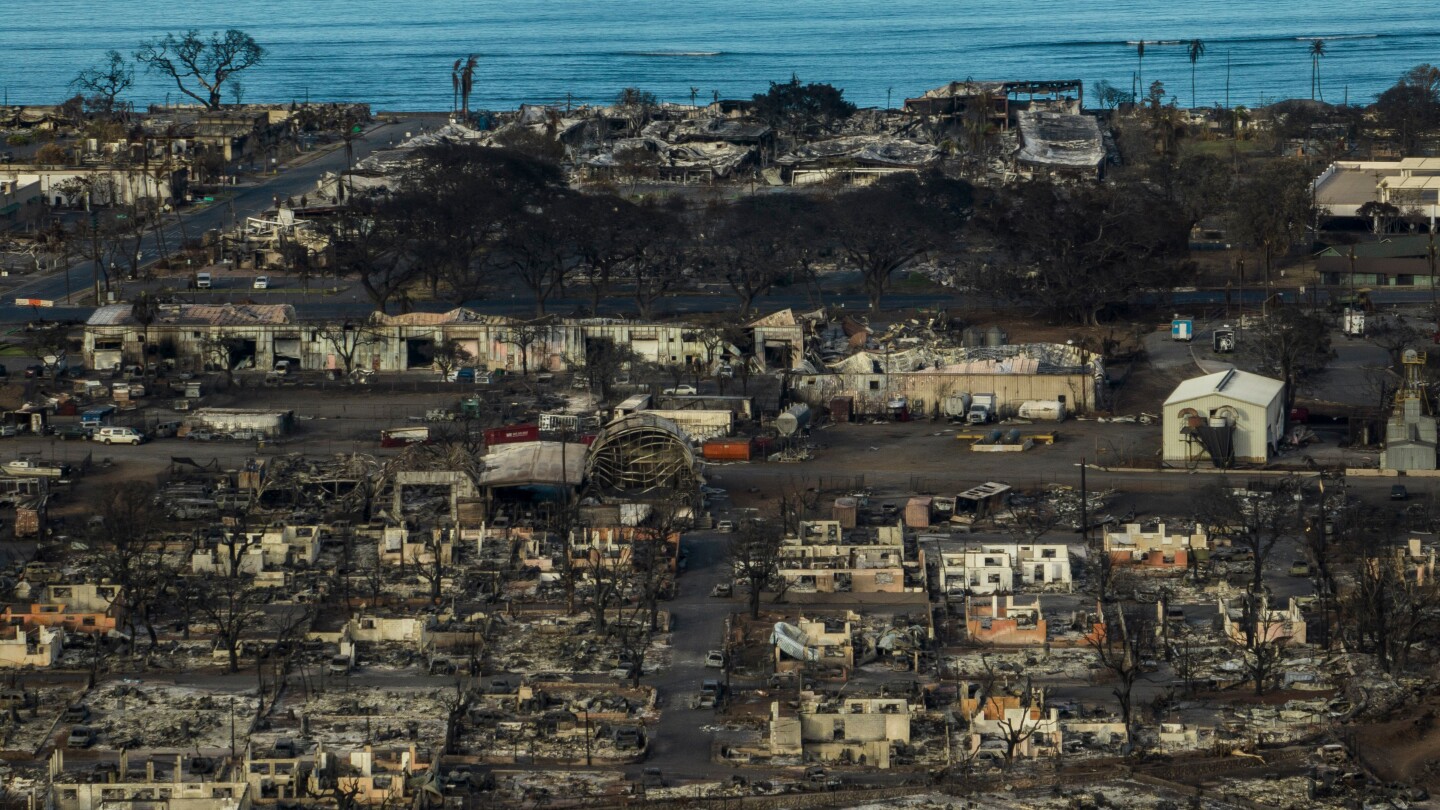
For over two years, the Federal Emergency Management Agency (FEMA) has played a crucial role in housing survivors of the August 2023 disaster that destroyed 2,200 structures and killed 102 people in Lahaina and Kula. The Biden administration had previously extended the standard 18-month program until February 2026, but that extension is now under review.
“All of them entering into our already impacted rental market in February scares me a lot,” said Nicole Huguenin, executive director and co-founder of Maui Rapid Response, a local mutual aid organization.
The uncertainty comes at a particularly challenging moment, as the Trump administration has signaled intentions to diminish FEMA’s role in disaster recovery and shift more responsibility to states. President Trump has previously suggested eliminating the agency altogether.
“It falls into the hands of the current administration and I’m not sure if they’re fond of the amount of money we’ve had to use,” said Kukui Keahi, a Lahaina fire survivor who secured an apartment through FEMA after initially living in her car and couch-surfing.
If the program expires, all housing-related financial assistance would immediately cease, and units leased directly through FEMA would need to be vacated, according to agency notices. FEMA spokesperson Daniel Llargues confirmed the extension request is “currently under review,” while Maui County spokesperson Laksmi Abraham expressed optimism it would be granted.
The Maui wildfires created unique housing challenges unlike disasters on the mainland. The island’s remote location and extremely limited housing inventory made relocating survivors and rebuilding exceptionally difficult. Most displaced residents desperately wanted to stay near Lahaina to remain close to jobs, schools, and their community.
In the fire’s aftermath, FEMA collaborated with the Red Cross to house 8,000 residents in hotels and temporary shelters before transitioning families to other housing assistance options. The agency provided rental subsidies, installed temporary shelters on burned properties, and directly leased thousands of units to rent back to survivors, though some complained of burdensome eligibility requirements and multiple relocations.
Working with the U.S. Army Corps of Engineers, FEMA also constructed Kilohana, a 167-unit modular housing complex overlooking Lahaina. The project required significant infrastructure development, including blasting hard rock and installing new electric, water, and sewer systems.
The expiration of federal assistance would affect approximately 940 households, including 190 in modular units, 470 in the direct lease program, and 280 receiving financial assistance. These families would face a rental market with under 2% vacancy rates and zero available units at or below fair market rent, according to the Hawaii Emergency Management Agency (HIEMA).
“My goal is to (pay) what I was before and I can’t, there’s no way,” said Keahi, who also serves as program deputy at the Hawaiian Council, a nonprofit administering recovery initiatives.
The disaster has dramatically inflated Maui’s already expensive housing market. Displaced survivors faced rent increases of 50-60% after the fires, according to the University of Hawaii Economic Research Organization. Two- and three-bedroom units now cost nearly double their pre-fire rates.
Some critics have pointed to FEMA’s own housing programs as partially responsible for these increases, noting the agency often leased properties above fair-market prices to incentivize landlord participation, though Maui’s housing shortage existed long before the fires.
Local officials are taking steps to address the housing crisis. The county recently passed legislation banning short-term rentals in apartment-zoned properties beginning in 2029, despite opposition from those concerned about impacts on tourism and jobs. Rebuilding efforts are also gaining momentum, with 109 residential construction projects completed and approximately 300 more in process.
“The tough part on the island is everything needs to be shipped in,” explained HIEMA Administrator James Barros, highlighting one of many challenges to rebuilding.
Barros noted that if an extension is granted, FEMA might impose new “milestones” for the state to meet in accelerating recovery efforts. Meanwhile, county and state officials have been developing contingency plans for months in case federal assistance ends, including potentially taking over management of the Kilohana complex.
For now, thousands of displaced Maui residents wait anxiously for a decision that will dramatically impact their immediate future on an island still struggling to recover.
Fact Checker
Verify the accuracy of this article using The Disinformation Commission analysis and real-time sources.

10 Comments
The Trump administration’s apparent push to diminish FEMA’s role in disaster response is worrying. Natural disasters don’t discriminate based on politics – all affected communities deserve robust federal support and resources to rebuild. Shifting more responsibility to states may leave many vulnerable residents without the aid they desperately need.
Absolutely. FEMA plays a crucial part in providing emergency housing, food, and other essential services following major disasters. Reducing its role could have devastating consequences, especially for low-income families and individuals who have already suffered tremendous losses.
This is a concerning situation for the Maui community. The potential loss of FEMA rental assistance could put a severe strain on an already tight housing market and displace hundreds of families affected by the devastating wildfires. Local support organizations will need to step up to help mitigate the impact.
Agreed. The federal government must ensure continued aid and resources for Maui’s fire survivors during this recovery process. Pulling the plug on FEMA assistance could be catastrophic for many vulnerable households.
The potential loss of FEMA rental assistance is a serious concern for Maui’s fire survivors. Forcing hundreds of displaced families into an already strained housing market could have devastating consequences. The local and state governments, along with non-profit organizations, will need to coordinate an urgent, comprehensive response to support these vulnerable residents.
Absolutely. The federal government must maintain its commitment to providing disaster relief and recovery assistance to Maui. Withdrawing FEMA’s rental aid program would be a cruel and shortsighted decision that could leave many families without a roof over their heads.
This is a deeply troubling development for Maui. The FEMA rental assistance program has been a lifeline for those displaced by the wildfires, and losing that support could force many into homelessness or unsustainable living situations. The local community will need robust resources and coordination to mitigate the potential crisis.
Agreed. The Biden administration must act quickly to extend the FEMA rental assistance program and ensure Maui’s fire survivors have the support they need to rebuild their lives. Abandoning these vulnerable families would be a grave moral and humanitarian failure.
This is a heartbreaking situation for the Maui community. The Lahaina and Kula wildfires were a devastating tragedy, and now the potential loss of FEMA rental assistance could compound the suffering of hundreds of displaced families. The local government and non-profits will need to rally significant resources to support these vulnerable residents.
You’re right, the compounding challenges facing Maui’s fire survivors are incredibly difficult. The federal government must uphold its responsibility to provide ongoing aid and assistance during the long road to recovery. Abandoning these communities would be an unconscionable failure.