


Listen to the article
Repairs for a major sewage leak into the Potomac River near Washington, D.C. will take significantly longer than initially expected, DC Water officials announced Thursday. The timeline has been extended by four to six weeks after workers discovered a large rock dam obstructing the ruptured pipeline.
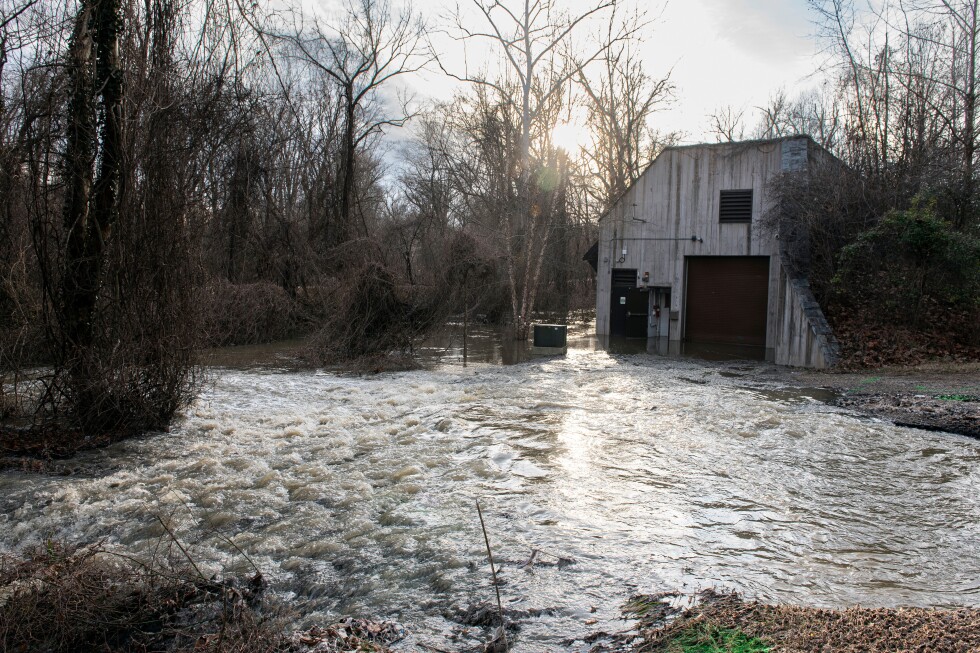
The 72-inch Potomac Interceptor pipe collapsed on January 19, causing an estimated 40 million gallons of wastewater daily—equivalent to about 66 Olympic-sized swimming pools—to spew into the Potomac River in Montgomery County, Maryland, just northwest of the capital.
According to the water authority’s statement, video inspection revealed that the blockage inside the collapsed sewer line “is far more significant” than originally assessed. Engineers found a substantial rock dam approximately 30 feet from the breach, requiring specialized treatment before workers can address the current spill.
“It will take an estimated 4 to 6 weeks longer than initially anticipated to get a system in place,” DC Water explained in their public notice. The agency noted they need to bring in larger equipment to remove the massive rocks and boulders inside the sewer line before permanent repairs can begin.
The aging pipeline, installed in the 1960s, was already known to be deteriorating. DC Water had recently completed rehabilitation work on a section about a quarter-mile from the break, with that maintenance project having begun in September.
Water quality monitoring has shown concerning levels of contamination near the leak site. Testing has revealed E. coli bacteria concentrations well beyond safe thresholds at the rupture location. However, DC Water maintains that bacteria levels remain within safe parameters at downstream sampling sites into Washington proper.
The Washington Department of Energy and Environment continues to advise the public to avoid contact with the Potomac’s waters. “DC drinking water remains safe for everyone to drink and use,” the department affirmed in an emailed statement, urging residents and their pets to stay away from the river until the situation is fully resolved and bacteria measurements return to safe levels.
Sherri Lewis, a DC Water spokesperson, clarified that while the initial overflow was consistently at 40 million gallons daily for five days, the situation has since improved. “Most days we have had none,” Lewis said, explaining that limited overflows now occur only when pumps must be taken offline due to clogs from items like wipes and grease that reduce pumping capacity.
“Until we have full functionality restored to the Potomac Interceptor, there remains a risk of limited overflow, but the risk and amount are minimal,” Lewis added. She emphasized that the drinking water supply was never compromised, as the primary water system intakes are located upstream of the collapse and operate completely separately from the sewer system.
The extended repair timeline announcement coincided with alarming findings from the Potomac Riverkeeper Network and University of Maryland researchers, who reported high levels of fecal-related bacteria and disease-causing pathogens in the river. The environmental group has called for public health advisories regarding recreational use of the Potomac in both Washington and Maryland.
Dean Naujoks, the Potomac Riverkeeper representing the environmental nonprofit, expressed concern about the additional bacterial and pathogenic dangers posed by the prolonged sewage leak. He criticized DC Water for what he characterized as misleading information and inconsistent reporting on the situation.
The pipeline failure represents one of the region’s most significant infrastructure challenges in recent years, highlighting the vulnerabilities in aging water management systems throughout the metropolitan Washington area. As repair efforts continue, authorities face mounting pressure to address both immediate public health concerns and longer-term infrastructure resilience issues.
Fact Checker
Verify the accuracy of this article using The Disinformation Commission analysis and real-time sources.

12 Comments
It’s good that the water company is being upfront about the extended timeline. Rushing repairs could lead to more problems down the line. Taking the time to do it right is the responsible approach.
I hope they can find the root cause of this incident and implement measures to prevent similar failures in the future. Investing in infrastructure is so important.
Discovering that massive rock dam inside the pipe is quite the setback. I wonder what caused it to form there in the first place. Hopefully the specialized equipment they need to remove it arrives quickly.
This spill is really highlighting the need for better infrastructure maintenance and preparedness. It’s critical that utilities can respond effectively to these kinds of emergencies.
40 million gallons of wastewater per day is an enormous spill. I’m glad they caught it quickly, but the logistics of cleaning this up must be incredibly complex. Kudos to the crews working to resolve this issue.
This highlights the fragility of our aging water and sewer systems. More investment in infrastructure maintenance and upgrades is clearly needed to avoid these kinds of environmental disasters.
This is a concerning environmental issue that needs to be addressed properly. Discharging 40 million gallons of wastewater into the Potomac is extremely problematic. I hope they can get the spill under control soon.
The water company should be transparent about the full scale of the problem and their plans for remediation. Keeping the public informed is crucial here.
Dealing with a major blockage like that rock dam inside the pipe is going to be a real challenge. I hope the water company has the right specialized equipment and expertise to handle it safely and efficiently.
This is an important reminder that we need to stay vigilant about monitoring the condition of critical infrastructure. Preventing these kinds of failures should be a top priority.
Yikes, this sounds like a major headache for the water company. I hope they can get the Potomac cleaned up quickly and safely. Removing a massive rock dam inside the pipe will definitely complicate the repairs.
It’s good they are taking the time to do it right, even if it takes longer. Rushing through this could make the situation even worse.