


Listen to the article
New York City Mayor Zohran Mamdani announced Wednesday that the city will resume clearing homeless encampments across the five boroughs, implementing what he describes as a more compassionate approach than his predecessor’s controversial policy.
The decision marks a notable shift for Mamdani, who suspended former Mayor Eric Adams’ encampment clearing operations shortly after taking office in January. At the time, Mamdani criticized the previous administration’s methods for failing to effectively transition homeless individuals into stable housing situations.
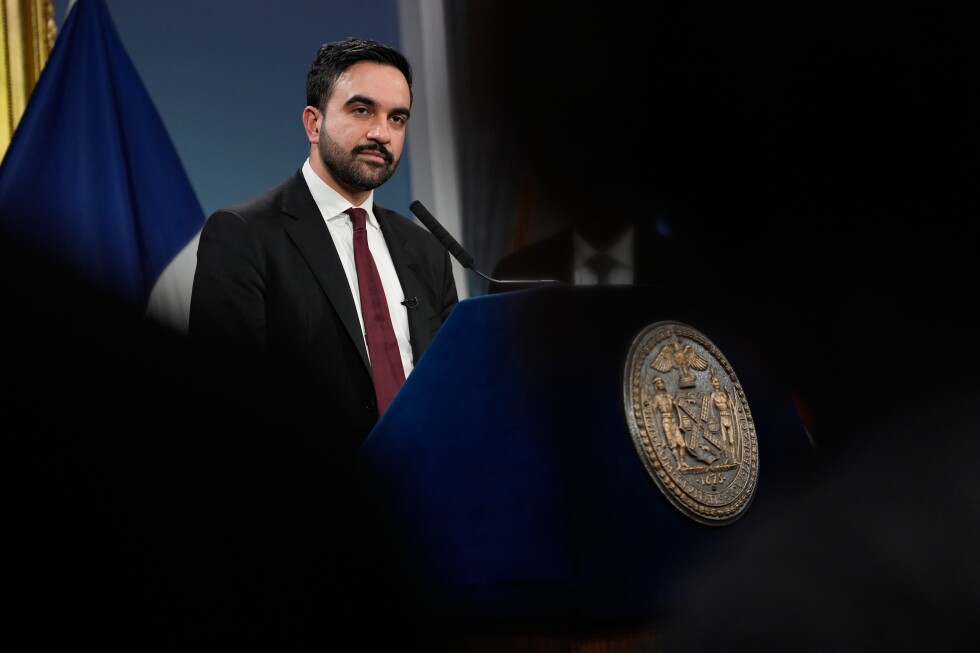
“We will meet them looking to connect them with shelter, looking to connect them with services, looking to connect them with a city that wants them to be sheltered and indoors and warm and safe,” Mamdani said at a press conference. “That is something that I believe will yield far better results.”
The mayor’s announcement comes amid a devastating cold spell that has claimed at least 19 lives of people found outdoors across New York City. While the mayor’s office indicated there is no evidence that any of these individuals were living in encampments specifically, the deaths have intensified scrutiny of the city’s homelessness response strategies.
These fatalities have presented an early and significant challenge for the Mamdani administration, prompting questions about the city’s preparedness and the new mayor’s managerial capabilities. Critics have pointed to Mamdani’s relative lack of executive experience as a potential factor in the city’s response to the crisis.
Under the new protocol, the Department of Homeless Services will lead encampment clearances instead of the New York Police Department, which spearheaded many operations during the Adams administration. City officials will post advance notice at encampment locations and deploy outreach workers daily for a week before any site is dismantled.
The mayor’s office detailed that this weeklong engagement period is designed to provide consistent opportunities for homeless individuals to connect with social services and shelter options. On the seventh day, sanitation workers will dismantle remaining encampment structures, with police present only as observers, according to a city spokesperson.
The Adams administration had made encampment sweeps a cornerstone of its public safety and quality-of-life initiatives. While those operations did prevent many encampments from being re-established, data showed that only a small percentage of displaced individuals accepted temporary shelter placements, raising questions about the program’s effectiveness.
David Giffen, executive director of the Coalition for the Homeless, expressed sharp criticism of Mamdani’s decision, saying the advocacy organization was “blindsided” by the announcement.
“This is clearly a political response that will do little to help homeless New Yorkers,” Giffen said. He warned that the renewed clearing operations could damage trust between outreach workers and the unsheltered population, potentially making future intervention efforts more difficult.
“When a city worker shows up and throws out all your belongings, you’re not going to trust that person the next time they show up offering you a place to sleep inside,” Giffen added, suggesting this could lead to more fatalities during extreme weather events.
The mayor’s decision has received support from some city officials, including City Council Speaker Julie Menin, who called it “an important step forward.”
“Allowing New Yorkers to stay on the street during extreme weather is inhumane,” Menin said in a statement. She noted that recent City Council oversight hearings had highlighted the need for a reevaluation of encampment policies, emphasizing that “protecting lives must remain our top priority.”
The resumption of encampment clearings reflects the complex challenges facing New York City as it grapples with a persistent homelessness crisis amid extreme weather events and changing political leadership. How this revised approach will differ in practice and outcomes from previous efforts remains to be seen in the coming weeks and months.
Fact Checker
Verify the accuracy of this article using The Disinformation Commission analysis and real-time sources.

10 Comments
Homelessness is a stubborn challenge facing many cities. Factual that the deaths amid the cold weather underscore the urgency, though unclear if encampment sweeps are the best solution.
Good point. Encampment sweeps have faced criticism for displacing people without providing stable housing alternatives. Hopeful Mamdani’s new plan can break that cycle.
Clearing encampments is a sensitive and complex issue. Skeptical that a ‘more compassionate approach’ will yield significantly better results without a robust increase in affordable housing and support services.
Valid point. Effective long-term solutions require addressing the root causes of homelessness, not just temporary fixes. Will be interesting to see Mamdani’s specific plans.
It’s a difficult balance to strike – addressing homelessness compassionately while maintaining public safety. Curious to see how Mamdani’s new approach will unfold and whether it can provide more stable housing solutions.
Agreed, the loss of life due to the cold weather underscores the urgency of this issue. Hopeful the city can find an effective way to connect the homeless with necessary services and shelter.
Appreciative that Mamdani is trying a new tack after criticizing the prior administration’s methods. Curious to learn more about the details of this ‘more compassionate approach’ and how it will be implemented.
Interesting shift in strategy by Mamdani. Appreciate the emphasis on connecting the homeless with services and shelter, though questions remain on the specifics and overall efficacy.
Homelessness is a complex, multifaceted issue without easy answers. Curious to see if Mamdani’s ‘more compassionate approach’ can make meaningful progress where prior efforts fell short.
Agreed, the stakes are high given the tragic loss of life. Hopeful Mamdani can implement an effective, humane strategy to address this crisis.