


Listen to the article
Wisconsin Supreme Court Race Reveals Stark Fundraising Divide as Democrats Seek to Expand Majority
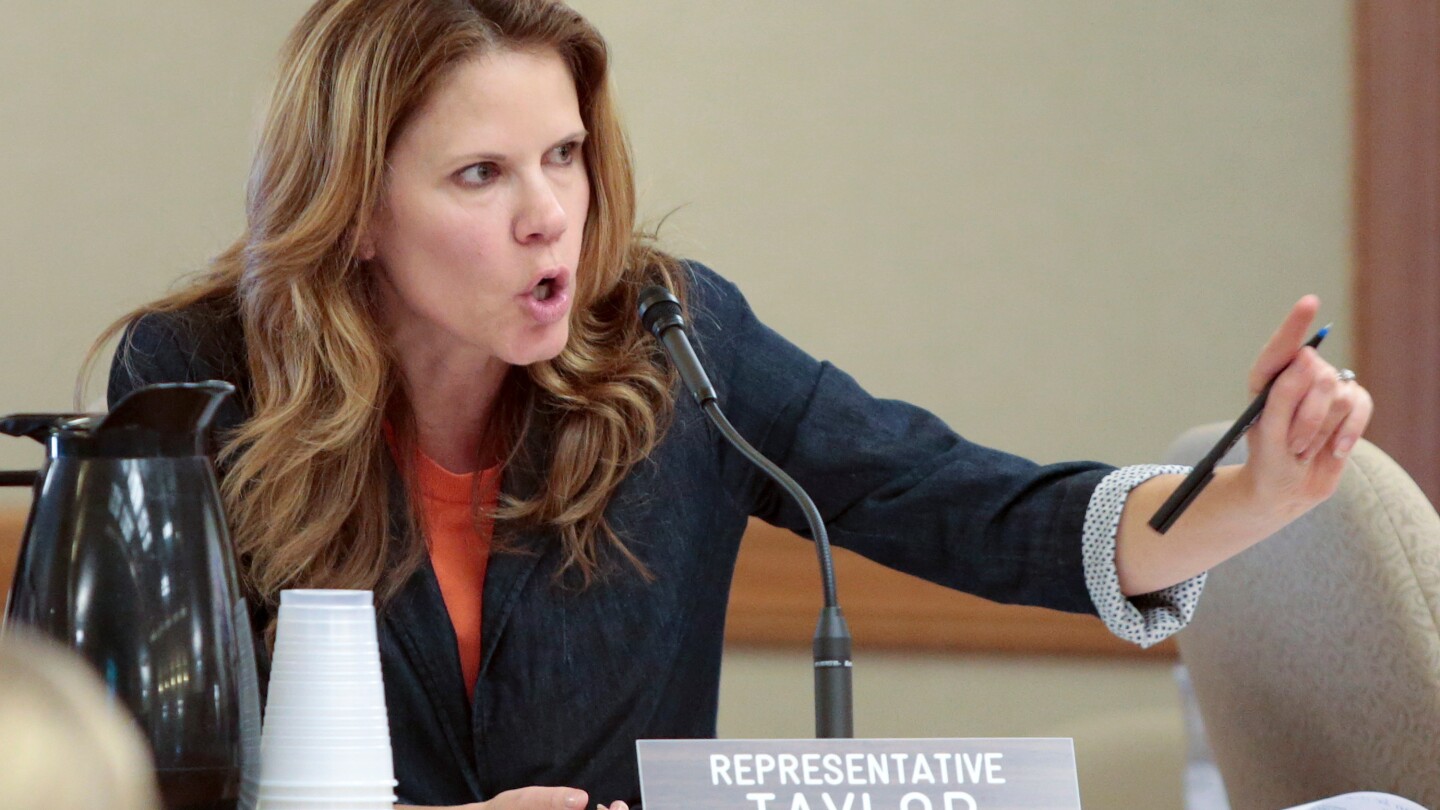
Democratic-backed candidate for Wisconsin Supreme Court Judge Chris Taylor has raised ten times more campaign funds than her Republican-endorsed opponent, highlighting the significant financial advantage liberals hold in the upcoming judicial race in this critical battleground state.
Campaign finance reports filed this week show Taylor raised approximately $2 million in the last half of 2023, bringing her total to $2.6 million for the year. In contrast, Republican-backed candidate Judge Maria Lazar reported raising just $200,000 since launching her campaign in October, three months after Taylor entered the race in May.
The April 7 election will determine who secures a 10-year term on Wisconsin’s highest court, with the winner potentially influencing several pending high-stakes issues including challenges to congressional district maps and the future of legislation that effectively ended collective bargaining for most public workers in the state.
Liberals are optimistic about their chances to win a fourth consecutive Supreme Court race dating back to 2020, which would further solidify their control over the court. The current liberal majority has already made significant rulings, including striking down a state abortion ban and ordering new legislative maps.
Taylor, who served ten years as a Democratic state lawmaker before becoming an appeals court judge, represents the progressive side in this race. Lazar, her opponent, is a fellow appeals court judge with a background as a prosecutor in the state attorney general’s office.
Despite the stark fundraising disparity, Lazar’s campaign is downplaying its significance. Campaign spokesperson Nathan Conrad said in a statement: “We knew starting in October put us behind the fundraising clock, but we aren’t running a traditional, consultant-driven campaign. While our opponent relies on a $2 million head start from the same old political machines, Judge Lazar is building a new style of campaign.”
Conrad emphasized that Lazar is focusing her appeal on independent voters who feel disenfranchised and “those who simply want a judge who follows the law, not a political agenda.”
Taylor’s campaign manager Ashley Franz suggested the strong fundraising numbers indicate that supporters are not taking the race for granted, especially considering the unprecedented spending in last year’s Wisconsin Supreme Court race. The 2023 contest shattered national fundraising records for a judicial election, with billionaire Elon Musk investing millions to support the conservative candidate.
The stakes in this election are particularly high for Wisconsin’s political landscape. If Taylor wins, liberals will expand their current 4-3 majority to 5-2, potentially securing control of the court until at least 2030, barring any unexpected vacancies. The winner will also be on the bench during the critical November 2024 elections, when Wisconsin voters will choose a new governor and decide control of the state legislature.
Taylor’s fundraising pace mirrors that of liberal Justice Susan Crawford, who won in 2023. By January of last year, Crawford had reported raising $2.4 million, though that sum included $1 million from the Wisconsin Democratic Party. Taylor’s campaign noted she has not received any funding from the state Democratic Party.
The position being contested became open following the announced retirement of a conservative justice, creating an opportunity for either side to influence the court’s ideological balance. With Wisconsin’s status as a crucial swing state in national politics, the outcome of this judicial race could have far-reaching implications beyond state borders.
Fact Checker
Verify the accuracy of this article using The Disinformation Commission analysis and real-time sources.

12 Comments
This race highlights the challenges of keeping money out of judicial elections. I hope both candidates will focus on running campaigns that emphasize their experience, qualifications, and commitment to upholding the rule of law.
Agreed. Judicial elections should be about finding the most capable and independent-minded candidates, not just the ones with the deepest pockets.
Judicial elections are supposed to be nonpartisan, but the reality is they’ve become quite politicized. This race seems to reflect that polarization. I hope Wisconsin voters can see past the partisan politics and choose the most qualified and impartial candidate.
The outcome of this race could have significant implications for the state, so it’s good to see high levels of engagement and fundraising. But the key will be whether voters focus on the candidates’ records and qualifications rather than just their funding.
Absolutely. Judicial independence is so important, so I hope the candidates’ personal merits, not just their war chests, will be the deciding factor for voters.
Judicial elections are always tricky, as you don’t want money to unduly influence the outcomes. But fundraising is a reality of modern campaigns. I wonder what the candidates’ platforms and qualifications are beyond just the financial side.
That’s a good point. Voters should look closely at the candidates’ backgrounds, experience, and policy positions rather than just focusing on the fundraising numbers.
Fundraising disparities in judicial races are always concerning, as they can create the perception of undue influence. However, I’m hopeful Wisconsin voters will look beyond the money and elect the most qualified and impartial candidate.
It’s concerning to see such a large fundraising gap, as that could give one side an outsized advantage in getting their message out. At the same time, I hope voters look beyond the money and examine the candidates’ merits and judicial philosophies.
Interesting to see such a significant funding disparity in this important Wisconsin Supreme Court race. It will be important to watch how that translates to voter engagement and turnout on both sides.
The high-stakes issues at stake, like redistricting and public sector labor laws, certainly add to the significance of this election. Money isn’t everything, but it can be a crucial factor.
The fundraising gap in this Wisconsin Supreme Court race is quite striking. While money can’t buy votes, it can certainly give one side an advantage in getting their message out. I hope voters look past the financial numbers and evaluate the candidates’ overall merits.