


Listen to the article
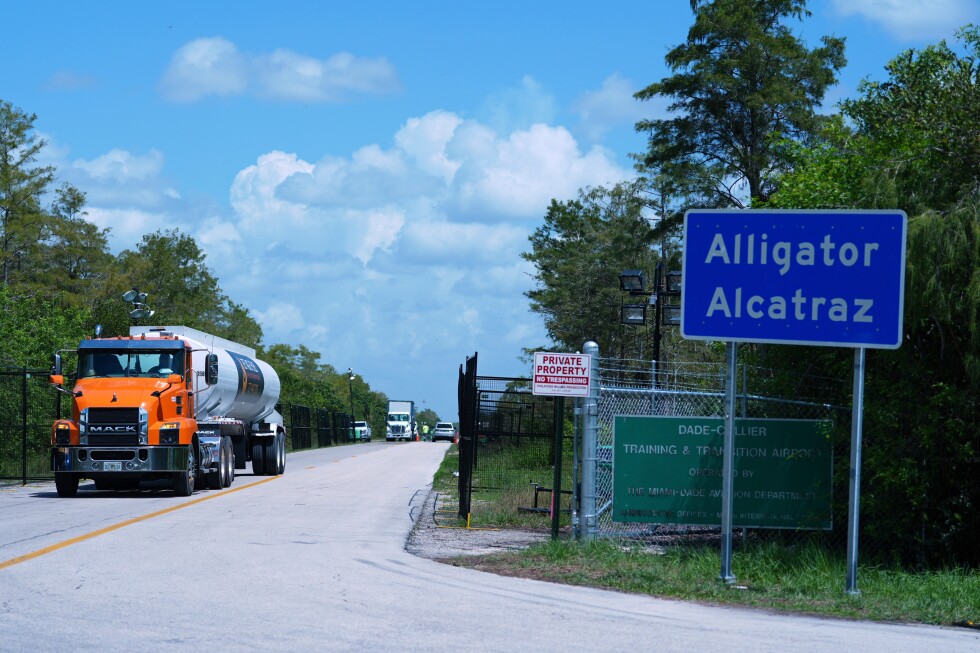
Attorneys representing detainees at Florida’s controversial Everglades immigration detention facility—colloquially dubbed “Alligator Alcatraz”—claim they continue to face significant barriers when attempting to access their clients, contradicting state officials’ assertions that such obstacles have been removed.
In federal court filings submitted Thursday in Fort Myers, two attorneys provided statements detailing ongoing challenges, including clients being unable to contact them using staff cell phones and attorneys being prohibited from making unannounced visits to the facility.
These claims directly contradict testimony given by a state contractor in late April during a hearing focused on attorney access at the detention center. The contractor had assured the court that both communication options were available to detainees and their legal representatives.
U.S. District Judge Sheri Polster Chappell is currently deliberating whether to grant the detainees’ request for the same level of attorney access afforded to those held in federally-run detention facilities. The lawsuit, filed by former detainees, alleges First Amendment violations stemming from restrictive visitation policies.
The Florida Department of Emergency Management, which oversees the detention facility, did not respond to inquiries about these new allegations on Thursday.
Built in summer 2023 at a remote airstrip in the Everglades, the detention center represents part of Republican Governor Ron DeSantis’ efforts to support hardline immigration policies aligned with former President Donald Trump’s agenda. The state has since constructed a second immigration detention center in northern Florida, further expanding its state-level immigration enforcement capabilities.
According to the lawsuit, attorneys representing detainees face uniquely burdensome restrictions not imposed at federal immigration facilities. While lawyers can typically make same-day visits to federal detention centers during regular visiting hours, those attempting to see clients at the Everglades facility must schedule appointments three days in advance.
This advance notice requirement has created additional complications. Detainees are frequently transferred to other facilities before scheduled attorney visits can take place. The lawsuit also alleges that scheduling delays have been so extensive that detainees have missed critical legal deadlines due to inability to consult with counsel.
State officials named as defendants have denied implementing policies that restrict attorney access. They attribute any challenges to security protocols and staffing limitations rather than intentional obstruction. Federal officials, also named as defendants, have similarly denied any violation of detainees’ First Amendment rights.
The facility’s remote location in the Florida Everglades compounds these access issues. Unlike urban detention centers with reliable public transportation and communication infrastructure, the isolated nature of “Alligator Alcatraz” creates practical barriers for legal representation that extend beyond official policies.
Immigration rights advocates have expressed growing concern over this emerging two-tier system of detention—with federally-run facilities maintaining established standards for attorney access while state-operated centers implement more restrictive protocols. They warn this disparity could create significant due process concerns for detainees in state custody.
The case highlights the increasing role of states in immigration enforcement, traditionally a federal responsibility. Florida’s creation of state-run immigration detention facilities represents one of the most aggressive state-level interventions in immigration policy in recent years.
As Judge Chappell considers the evidence presented by both sides, her ruling could establish important precedent regarding the constitutional rights of immigration detainees in state custody and whether states engaging in immigration enforcement must adhere to the same standards as their federal counterparts.
The outcome will be closely watched by immigration attorneys and civil rights organizations nationwide as more states consider expanding their role in immigration enforcement.
Fact Checker
Verify the accuracy of this article using The Disinformation Commission analysis and real-time sources.

14 Comments
It’s troubling to hear that detainees may be denied basic communication and visitation rights with their legal representatives. Robust attorney access is essential for upholding due process and human rights in any detention setting.
Absolutely. The judge will have a challenging task in weighing the competing claims and determining the appropriate level of access that should be afforded to attorneys at this facility.
This case highlights the ongoing challenges around access and transparency at immigration detention centers. Ensuring proper legal representation and humane conditions for detainees should be a top priority.
This is a concerning development, if attorneys are indeed facing ongoing challenges in accessing their clients at this immigration detention center. Ensuring proper legal representation is a fundamental right that must be upheld.
Agreed. The judge will need to carefully weigh the evidence and ensure that the facility’s policies and practices align with constitutional protections and human rights standards.
Significant barriers to attorney access are deeply concerning, especially in a facility with such a controversial reputation. The court will need to carefully examine the evidence and ensure detainees’ constitutional rights are protected.
Absolutely. Upholding the rule of law and due process is critical, regardless of the immigration status or background of the detainees.
This case highlights the ongoing challenges around transparency and accountability in immigration detention centers. Ensuring detainees have access to legal counsel is a critical safeguard for upholding their rights and due process.
Absolutely. The judge’s decision will have far-reaching implications for the treatment of detainees and the overall operation of this controversial facility.
The conflicting accounts between officials and attorneys are troubling and underscore the need for rigorous oversight and transparency at the ‘Alligator Alcatraz’ detention center. Unrestricted access to legal representation is a fundamental right that must be protected.
This is a concerning case, if attorneys are indeed facing continued barriers to accessing their clients at this controversial detention facility. Transparency and access to legal counsel are crucial for ensuring detainees’ rights are protected.
Agreed. The conflicting accounts from state officials and attorneys raise worrying questions about the actual conditions and practices at the ‘Alligator Alcatraz’ facility.
The conflicting accounts from officials and attorneys raise serious questions about the actual conditions and practices at the ‘Alligator Alcatraz’ facility. Transparency and unfettered legal access are crucial in any detention setting.
Restricting attorney access to detainees is highly problematic and raises serious concerns about the treatment of individuals held at the ‘Alligator Alcatraz’ facility. Transparent and unrestricted legal representation is essential in any detention setting.