


Listen to the article
A congressional bill introduced in the House of Representatives aims to eliminate special airport treatment for lawmakers during the ongoing partial government shutdown, forcing them to experience the same lengthy security lines as ordinary travelers.
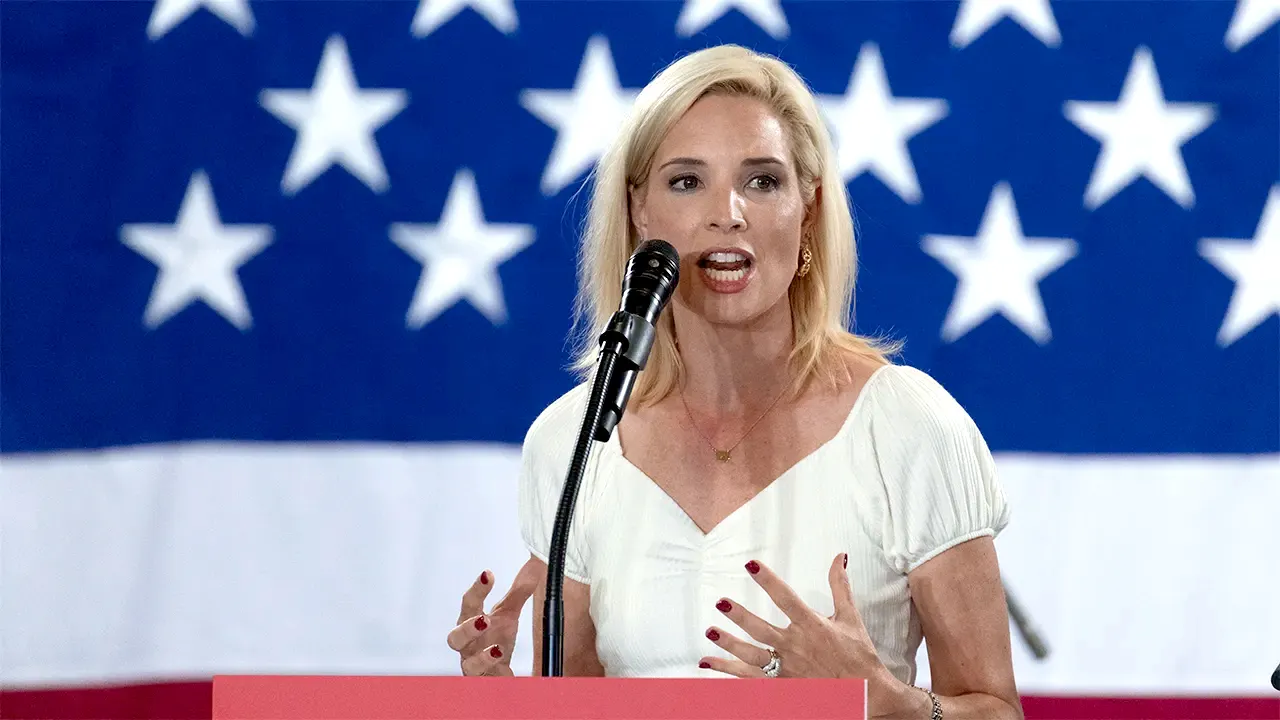
Representative Ashley Hinson, Republican of Iowa, has proposed the End Special Treatment for Congress at Airports Act, a companion to legislation that passed unanimously in the Senate last week. The bill would prohibit the use of taxpayer funds to provide lawmakers with preferential treatment at airports and require them to undergo identical security screenings as the general public.
“Thanks to Democrats’ political games, TSA agents are working without pay, and many American families are facing 4-plus-hour wait times at airports during spring break,” Hinson told Fox News Digital. “Some Members of Congress are avoiding the chaos they’ve created by getting preferential treatment and skipping the lines at airports.”
The measure comes amid a 38-day partial shutdown that has severely impacted air travel across the United States. The shutdown, now the second-longest in U.S. history, has particularly affected the Transportation Security Administration (TSA), where agents have missed two full pay periods. The agency reported that more than 400 TSA officers have resigned since the shutdown began on February 14.
Senator John Cornyn of Texas, who spearheaded the Senate version of the bill, expressed support for Hinson’s House initiative. “I’m grateful to Congresswoman Hinson for joining my effort to restore fair practices for all airport travelers by introducing companion legislation in the House,” Cornyn said in a statement.
While the TSA has already paused lawmaker escorts during the funding lapse, members of Congress might still receive special treatment from other entities at airports. Hinson’s bill would extend these restrictions even after Department of Homeland Security (DHS) funding is restored.
The impact of the shutdown on air travel has been severe. Major airports in Houston, New York, and other cities reported security line waits exceeding four hours on Monday. The situation has been exacerbated by the spring break travel season, which has strained already limited staffing resources.
TSA staffing shortages continue to worsen as thousands of agents call out of work to seek alternative income sources during the shutdown. This has created a ripple effect across the nation’s air transportation system, with travelers experiencing unprecedented delays and airlines struggling to maintain schedules.
The shutdown stems from a partisan funding dispute over the Department of Homeland Security. Democrats have refused to support a full-year DHS spending bill, demanding reforms to immigration enforcement policies. Republicans oppose Democratic efforts to fund specific DHS subagencies while leaving border security and immigration functions unfunded.
Despite increasing discussions about resolving the DHS funding impasse in recent days, there’s no guarantee of a resolution this week. The political standoff continues to affect millions of travelers and thousands of federal employees working without pay.
Hinson’s bill is expected to receive widespread bipartisan support in the House, though the timing of a floor vote remains uncertain. Political analysts note that the legislation resonates with voters frustrated by what they perceive as congressional privilege during a crisis affecting ordinary citizens.
Hinson, who is currently running for the open Senate seat being vacated by retiring Senator Joni Ernst, has received endorsements from former President Donald Trump and the Senate Republicans’ campaign committee. Her legislative push comes at a time when lawmakers face increasing public pressure to resolve the funding standoff that has disrupted federal operations and services nationwide.
Fact Checker
Verify the accuracy of this article using The Disinformation Commission analysis and real-time sources.

25 Comments
Exploration results look promising, but permitting will be the key risk.
Good point. Watching costs and grades closely.
Silver leverage is strong here; beta cuts both ways though.
Good point. Watching costs and grades closely.
I like the balance sheet here—less leverage than peers.
Good point. Watching costs and grades closely.
Good point. Watching costs and grades closely.
Nice to see insider buying—usually a good signal in this space.
Good point. Watching costs and grades closely.
Good point. Watching costs and grades closely.
If AISC keeps dropping, this becomes investable for me.
Nice to see insider buying—usually a good signal in this space.
Good point. Watching costs and grades closely.
Uranium names keep pushing higher—supply still tight into 2026.
Good point. Watching costs and grades closely.
Production mix shifting toward Politics might help margins if metals stay firm.
Good point. Watching costs and grades closely.
Uranium names keep pushing higher—supply still tight into 2026.
Good point. Watching costs and grades closely.
Uranium names keep pushing higher—supply still tight into 2026.
I like the balance sheet here—less leverage than peers.
Good point. Watching costs and grades closely.
Good point. Watching costs and grades closely.
Silver leverage is strong here; beta cuts both ways though.
The cost guidance is better than expected. If they deliver, the stock could rerate.