


Listen to the article
Senator Graham Expresses Concern Over Iran Ceasefire Terms, Calls for Congressional Briefing
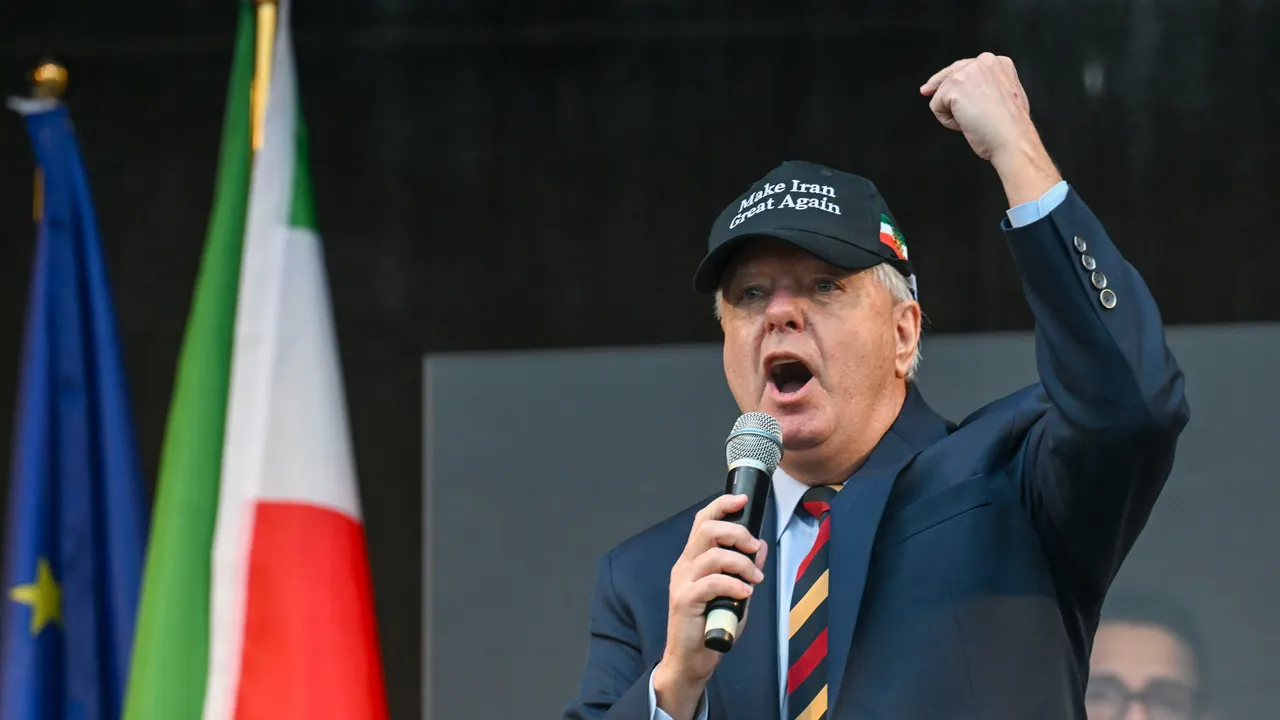
One of the strongest advocates for military action against Iran, Senator Lindsey Graham (R-S.C.), has voiced reservations about the recently announced two-week ceasefire between the United States and Iran. The agreement, reached just hours before President Donald Trump’s deadline for expanded military strikes, contains what Graham described as “troubling aspects.”
While acknowledging that a “diplomatic solution” would be preferable, Graham remains skeptical about the terms of the deal. “The supposed negotiating document, in my view, has some troubling aspects, but time will tell,” the senator wrote on social media Wednesday.
Graham is now calling for Vice President JD Vance and other key administration officials to appear before Congress to explain the agreement’s details. This request mirrors similar demands from Democratic lawmakers who have been pressing for testimony from Secretary of State Marco Rubio and Secretary of War Pete Hegseth regarding the conflict.
“I look forward to the architects of this proposal, the vice president and others, coming before Congress and explaining how a negotiated deal meets our national security objectives in Iran,” Graham stated.
The White House has defended its approach to congressional communication. Press Secretary Anna Kelly told reporters that the Trump administration “has been transparent with the Hill since before Operation Epic Fury began,” noting that officials have provided “more than 20 bipartisan briefings for members of Congress” on military developments.
Kelly added: “As the president said, many points have already been agreed to during the diplomatic process, and we are far along on a definitive agreement to deliver long-term peace in Iran and across the region.”
Diplomatic efforts are now shifting to high-level negotiations. Vice President Vance, Special Envoy to the Middle East Steve Witkoff, and Jared Kushner are scheduled to meet in Islamabad for discussions on a broader peace agreement. White House Press Secretary Karoline Leavitt confirmed that “the first round of those talks will take place on Saturday morning local time.”
Iran has publicly presented a 10-point proposal that includes demands for war reparations, continued uranium enrichment rights, complete control over the Strait of Hormuz, and the lifting of all sanctions. In exchange, Iran would agree not to develop nuclear weapons.
Graham has taken particular issue with allowing Iran to maintain even a limited nuclear program. He emphasized that the only acceptable outcome would be “a deal that will stop their maniacal drive to a nuclear weapon, among other things.”
President Trump has already signaled dissatisfaction with Iran’s proposal. On his social media platform Truth Social, Trump wrote: “There is only one group of meaningful ‘POINTS’ that are acceptable to the United States, and we will be discussing them behind closed doors during these negotiations. These are the POINTS that are the basis on which we agreed to a CEASEFIRE.”
The ceasefire temporarily halts Trump’s threatened campaign against Iranian infrastructure, including bridges and power plants, while negotiations for a more comprehensive agreement continue.
The diplomatic breakthrough follows weeks of escalating tensions and military operations in the region. Graham, who had previously given full support to Trump’s military actions against Iran, now finds himself in a more cautious position as the administration pivots to diplomatic channels.
The coming negotiations in Islamabad will likely determine whether this temporary pause in hostilities can evolve into a more durable peace arrangement or whether the region will slide back into conflict.
Fact Checker
Verify the accuracy of this article using The Disinformation Commission analysis and real-time sources.

11 Comments
Senator Graham’s call for a congressional briefing on the Iran ceasefire agreement is prudent. Transparency around the deal’s details and underlying strategy is important.
It’s positive that a temporary ceasefire has been reached, but the long-term implications remain uncertain. Congressional oversight is warranted to ensure US interests are protected.
Absolutely. Lawmakers should press for a full accounting of the deal’s terms and how it aligns with America’s strategic objectives in the region.
Senator Graham’s call for a congressional briefing on the Iran deal seems reasonable. Careful oversight is needed to evaluate if the ceasefire terms sufficiently protect American interests.
Yes, transparency from the administration is key. The public also deserves to understand how this agreement fits into the broader geopolitical landscape.
This Iran ceasefire deal appears to be a complex and nuanced issue. I can understand Graham’s concerns, but hope the diplomatic path forward can be constructive.
Agreed. Maintaining open lines of communication and building trust between all parties will be crucial to achieving a lasting peace.
The Iran situation remains delicate. While a ceasefire is a positive step, it’s prudent for lawmakers to scrutinize the agreement and ensure it adequately addresses US security concerns.
Agreed. With the high stakes involved, both sides must negotiate in good faith to reach a lasting solution.
Interesting to see Graham raise concerns about the Iran deal. As a strong proponent of military action, his skepticism is understandable, though I hope a diplomatic solution can still be found.
I agree, transparency around the deal’s terms is important. Congress should get a full briefing to understand the details and implications.