


Listen to the article
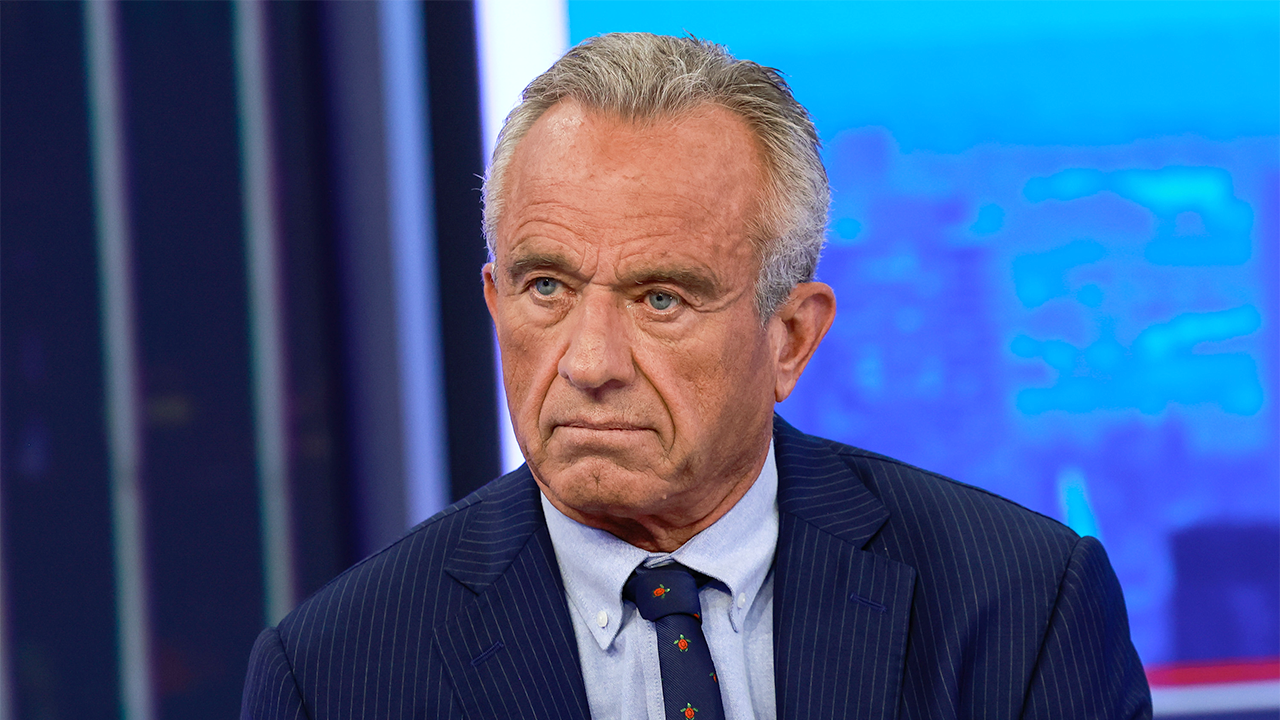
In a surprising shift of position, Health and Human Services Secretary Robert F. Kennedy Jr. is now defending President Donald Trump’s executive order to protect the production of a key chemical used in glyphosate-based herbicides—a substance Kennedy previously condemned as harmful to public health.
Trump’s recent executive order aims to safeguard the precursor element used in manufacturing glyphosate, describing such herbicides as “a cornerstone” of U.S. agricultural productivity. The order cites national defense imperatives as the primary justification for the action.
The move represents a stark reversal for Kennedy, who just two years ago took a dramatically different stance. In June 2024, while campaigning for president, Kennedy posted on social media that “glyphosate is one of the likely culprits in America’s chronic disease epidemic.” He went further, pledging that his administration would “ban that practice” of using glyphosate as a desiccant on wheat.
“Much more widely used here than in Europe,” Kennedy wrote at the time. “Shockingly, much of our exposure comes from its use as a desiccant on wheat, not as an herbicide. From there it goes straight into our bodies.”
The apparent about-face has sparked significant backlash among supporters of the Make America Healthy Again (MAHA) initiative, a cornerstone of the Trump administration’s health policy agenda that Kennedy has championed since joining the cabinet.
Further complicating matters, the MAHA Commission’s own report released in May 2025 highlighted concerns about glyphosate, noting that “a selection of research studies on a herbicide (glyphosate) have noted a range of possible health effects, ranging from reproductive and developmental disorders as well as cancers, liver inflammation and metabolic disturbances.”
Agriculture industry leaders have praised Trump’s executive order, seeing it as a necessary step to protect American farming practices and productivity. Glyphosate-based products like Roundup are among the most widely used herbicides in U.S. agriculture, helping farmers control weeds that compete with crops for water and nutrients.
However, the decision has driven a wedge in the MAHA coalition. Kelly Ryerson, co-executive director of American Regeneration and a prominent MAHA advocate, issued a statement calling the move a betrayal of “the very MAHA voters who put this administration in power.”
“It stands in direct opposition to the President’s original promise to address the contribution of pesticides to chronic disease,” Ryerson added.
The sentiment was echoed by Alex Clark, a podcast host affiliated with Turning Point USA, who told the Wall Street Journal: “The right is captured by Big Glyphosate. It feels like MAHA is going through a breakup, or just found out our husband was having an affair.”
When asked to explain his position, Kennedy defended the administration’s action by pivoting to national security concerns. “We must safeguard America’s national security first, because all of our priorities depend on it,” he said in a statement to Fox News Digital. “When hostile actors control critical inputs, they weaken our security. By expanding domestic production, we close that gap and protect American families.”
The controversy highlights the tension between the Trump administration’s economic and agricultural priorities and its health-focused initiatives. It also raises questions about Kennedy’s commitment to the health concerns he so vocally championed before joining the administration.
The debate around glyphosate is particularly significant given the ongoing litigation against manufacturers of glyphosate-based herbicides. Thousands of lawsuits have alleged links between glyphosate exposure and various health conditions, including cancer—claims that manufacturers have consistently denied.
As the administration continues to balance competing priorities of agricultural productivity, economic interests, and public health concerns, the glyphosate decision may signal which of these priorities ultimately takes precedence in policy decisions.
Fact Checker
Verify the accuracy of this article using The Disinformation Commission analysis and real-time sources.

18 Comments
This is a surprising reversal from Kennedy. It will be interesting to see how he reconciles his previous stance against glyphosate with the national security justification cited in the executive order.
I’m curious to hear more about the specific national defense reasons behind this decision. The health concerns around glyphosate use seem well-documented.
The shift in Kennedy’s position is quite stark. It raises questions about the political pressures and considerations that may have led to this reversal, beyond just the stated national security rationale.
I agree, this seems like a major policy flip-flop. The public deserves a clear and credible explanation for the change in stance.
This executive order marks a significant shift away from Kennedy’s previous rhetoric and positions on glyphosate. It will be critical for him to explain the reasoning behind this policy reversal.
Indeed, the public deserves a clear and coherent explanation for this abrupt change in stance. Transparency is essential, especially on a high-profile issue like this.
It’s puzzling to see Kennedy defending a position he had previously condemned. The public deserves a clear, evidence-based explanation for this policy shift on glyphosate.
Agreed. Transparency and accountability are critical, especially when it comes to high-stakes decisions that could impact public health and the environment.
Kennedy’s reversal on glyphosate is quite puzzling given his previous criticisms. The administration will need to transparently address the health and environmental implications of this decision.
Agreed. The public deserves a clear and credible explanation for this abrupt policy change, especially on an issue as complex and controversial as glyphosate use.
The reversal on glyphosate is quite surprising given Kennedy’s past criticisms. I’m curious to see how this plays out and what new information or considerations may have led to this policy shift.
Agreed. It’s important that the administration provides a thorough, fact-based justification for overriding the previous health concerns around glyphosate use.
This is a significant policy reversal from Kennedy. The national security rationale cited requires careful scrutiny to ensure it outweighs potential public health and environmental impacts.
Absolutely. Any decisions around the use of glyphosate should prioritize public welfare and be grounded in rigorous scientific evidence, not just political expediency.
Glyphosate is a controversial issue, with valid concerns on both sides. It will be important for the administration to transparently address the health and environmental impacts as part of this decision.
Absolutely. Any national security justification needs to be weighed against potential public health risks. The administration should provide a robust, evidence-based rationale.
This is a surprising turnaround from Kennedy’s past stance. The administration will need to provide a compelling justification for overriding the health concerns around glyphosate use.
Absolutely. Any national security rationale must be weighed against the potential public health risks. The public deserves a thorough, evidence-based explanation for this policy shift.