


Listen to the article
FBI Director Patel to Highlight Agency Reforms at Senate Intelligence Hearing
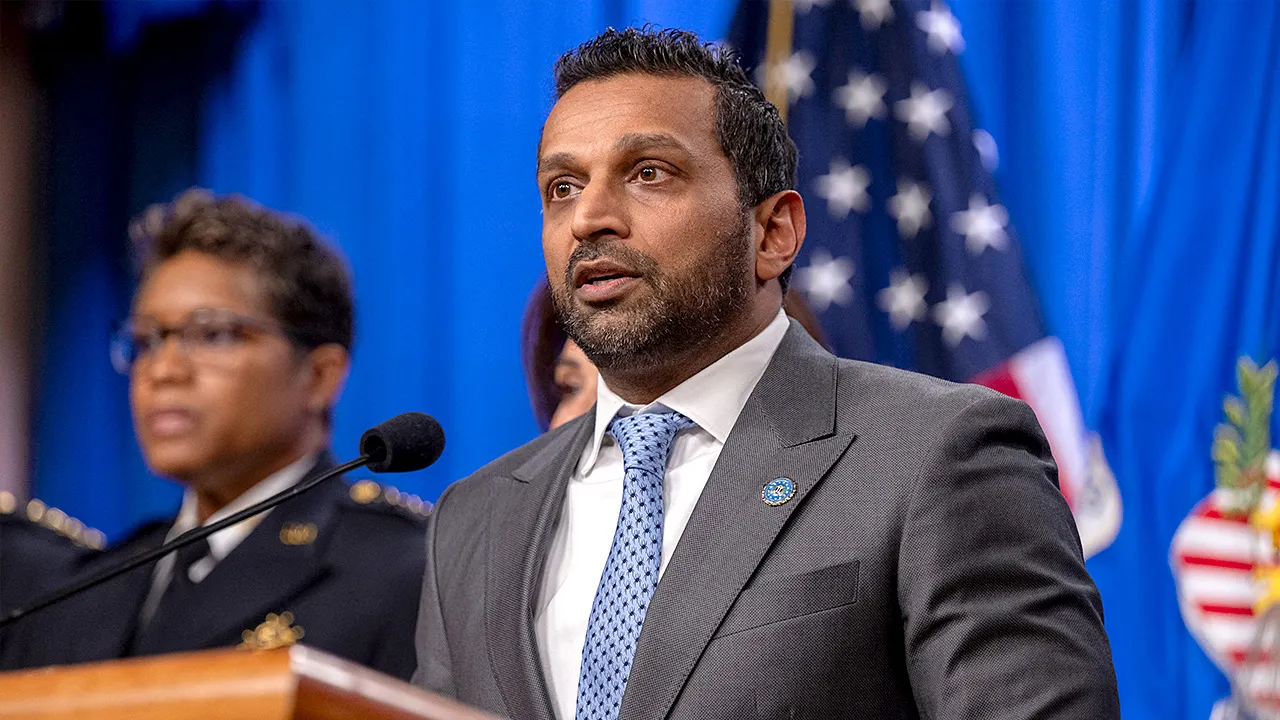
FBI Director Kash Patel is set to present an extensive list of reforms and accomplishments under President Donald Trump’s second administration during a Senate hearing on worldwide threats facing the United States. The hearing, organized by the U.S. Senate Select Committee on Intelligence, will feature testimony from several national security leaders, including Director of National Intelligence Tulsi Gabbard, CIA Director John Ratcliffe, Defense Intelligence Agency Director James Adams, and Acting U.S. Cyber Command Commander William Hartman.
Patel plans to emphasize significant structural changes at the FBI, focusing on decentralization efforts that have already moved over 1,000 agents from Washington, D.C. to field offices across the country. “Under President Trump’s leadership, this FBI has been rebuilt into a faster, more accountable force focused on protecting Americans and crushing violent crime,” Patel is expected to tell lawmakers.
Among the key reforms Patel will highlight is the expansion of biometric collection capabilities overseas, designed to identify potential threats before they reach American soil. The FBI has also doubled its investment in drone technology while establishing a first-of-its-kind counter-drone operations training center in Alabama to provide specialized training for state and local law enforcement agencies.
The FBI’s embrace of artificial intelligence represents another significant shift under Patel’s leadership. New working groups have been established to test AI’s effectiveness in processing large volumes of national security intelligence, potentially transforming how the bureau analyzes threats and manages information.
Patel is also expected to present impressive statistics showing the bureau’s operational successes over the past year, including the disruption of 1,800 gangs and criminal enterprises, seizure of more than 2,250 kilograms of fentanyl, and a 112% increase in violent crime arrests. The agency reports nearly 350 cyber indictments, location of 6,000 missing children, and arrests of 1,700 child predators.
A controversial aspect of Patel’s reforms has been the elimination of what he describes as “politicized” threat-banding – the practice of categorizing certain threats as high-priority. Under previous FBI Director Christopher Wray during the Biden administration, the bureau had elevated racially motivated violent extremism to a “national threat priority.” This approach drew criticism from Republicans, particularly after a leaked memo from the FBI’s Richmond field office suggested monitoring traditional Catholics for potential extremist ties.
“As I’ve committed to you during my confirmation hearing and my conversations with you, this FBI will not be weaponized anymore in either side of the aisle,” Patel stated during a Senate hearing last September. Senator Chuck Grassley (R-Iowa) has praised these efforts, telling Patel, “You’ve begun the important work of returning the FBI to its law enforcement mission.”
The FBI has also strengthened its border security capabilities by expanding and renaming the former Terrorist Screening Center to the Threats Screening Center, broadening its mission to address cartel activities and other border-related threats beyond terrorism.
Despite these changes, Democrats have expressed concerns about potential politicization of the FBI under Patel’s leadership. The ongoing reforms represent a significant shift in how the agency prioritizes threats and allocates resources, with implications for national security strategy and domestic law enforcement practices.
As the worldwide threats hearing convenes, Patel’s testimony will likely face scrutiny from both supporters who view the changes as necessary corrections and critics concerned about shifts in the FBI’s traditional approach to threat assessment and resource allocation.
Fact Checker
Verify the accuracy of this article using The Disinformation Commission analysis and real-time sources.

8 Comments
Curious to see how the expansion of biometric collection capabilities will impact privacy concerns. Protecting civil liberties should be a top priority alongside enhancing security.
Interesting to see the FBI undergoing major reforms under the new administration. Hope these changes will make the agency more focused on real security threats and less politicized.
Expanding biometric collection capabilities overseas is a smart move to identify potential threats before they reach US soil. Curious to hear more details on how this will be implemented.
Decentralizing the FBI’s operations and moving agents out of DC sounds like a positive step. Putting more boots on the ground in field offices could improve response times and community engagement.
While I’m skeptical of some of the political rhetoric, the proposed reforms do seem aimed at making the FBI more efficient and effective. Curious to see if they can deliver real results in public safety.
Moving FBI agents out of the DC bubble and closer to local communities is a smart move. Hopefully this will improve intelligence gathering and responsiveness on the ground.
The idea of a ‘faster, more accountable’ FBI is appealing, but the devil will be in the details. Hope these changes don’t come at the expense of civil liberties and proper oversight.
As someone who values strong national security, I’m cautiously optimistic about these proposed FBI reforms. Reducing bureaucracy and increasing field presence could be a step in the right direction.