


Listen to the article
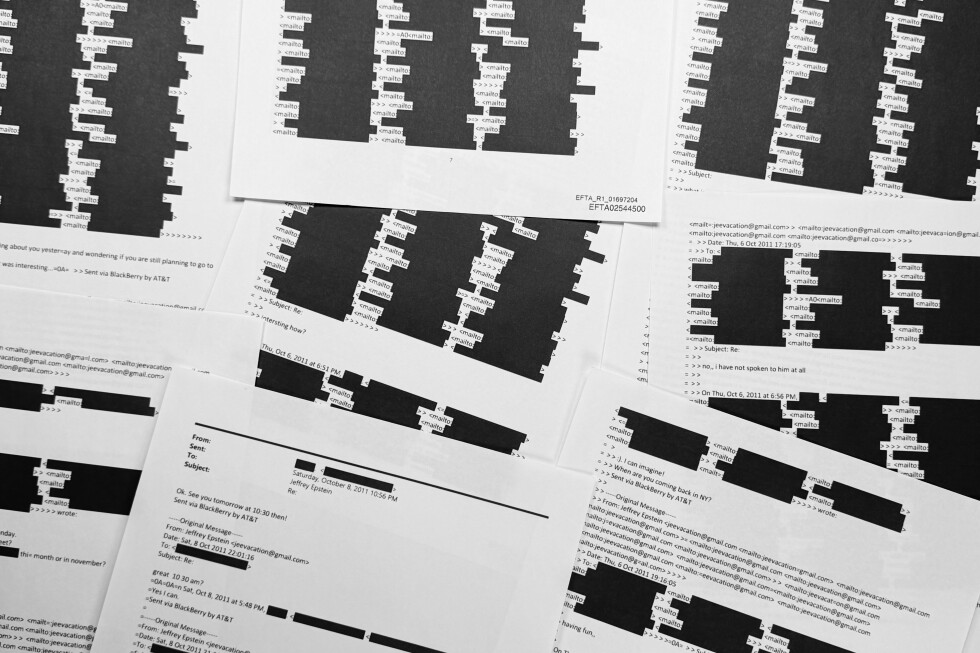
The Department of Justice will grant members of Congress access to unredacted Jeffrey Epstein files beginning Monday, according to a letter sent to lawmakers. The move comes after significant congressional pressure for greater transparency regarding the convicted sex offender’s case.
Lawmakers will be permitted to review more than 3 million unredacted files that the Justice Department has already released in compliance with legislation passed last year. The review process will follow strict protocols: legislators must provide 24 hours’ advance notice and will examine the files on Justice Department computers. Only elected officials—not their staff members—will be granted access. While they may take written notes during their review, electronic copies are prohibited.
The arrangement represents a significant development in the ongoing effort by Congress to gain full insight into Epstein’s activities and connections. Despite the Justice Department dedicating substantial resources to comply with last year’s congressional mandate, the agency has faced criticism for delays in releasing information, failing to properly redact victims’ personal details and photographs, and not disclosing the complete 6 million documents collected in relation to the Epstein case.
Representative Ro Khanna, who sponsored the Epstein Files Transparency Act, celebrated the Justice Department’s decision on social media, writing: “When Congress pushes back, Congress can prevail.” Khanna has previously highlighted several emails between Epstein and unidentified individuals that appear to reference the sexual abuse of underage girls.
The gradual release of Epstein’s case files has triggered inquiries worldwide about prominent figures who associated with the wealthy financier. Lawmakers continue to press for accountability regarding anyone who may have had knowledge of or facilitated Epstein’s abuse.
The case has drawn intense public and political interest since Epstein died by suicide in a New York jail cell in 2019 while facing charges of sexually abusing and trafficking dozens of underage girls. Those charges came more than a decade after Epstein secretly negotiated a controversial deal with federal prosecutors in Florida to resolve nearly identical allegations with minimal punishment.
Epstein’s alleged criminal behavior centered on paying underage girls hundreds of dollars for massages that would escalate to sexual abuse. His extensive network of high-profile connections across business, politics, and entertainment has fueled ongoing speculation about potential accomplices or individuals who may have been aware of his criminal activities.
The Justice Department’s decision to allow congressional access to unredacted files represents a new phase in the investigation of Epstein’s crimes. It follows years of advocacy by victims’ rights groups and lawmakers who have demanded full transparency about how Epstein operated and who may have enabled his predatory behavior.
Legal experts note that the congressional review of unredacted files could potentially uncover new leads or connections that were previously obscured by the redaction process. However, the controlled environment of the review and the prohibition on making copies suggest the Justice Department remains concerned about protecting sensitive information within the documents.
The Epstein case continues to illustrate tensions between public transparency, victim privacy, and the procedural safeguards of the justice system. While the expanded access for lawmakers marks progress toward accountability, questions remain about whether the full truth about Epstein’s crimes and those who may have been complicit will ever fully come to light.
Fact Checker
Verify the accuracy of this article using The Disinformation Commission analysis and real-time sources.

14 Comments
I’m glad to see Congress will finally get a chance to review the unredacted Epstein files. However, the limitations on copying or sharing the information are troubling. The public needs to be able to scrutinize this evidence as well.
The Epstein case has raised many disturbing questions that deserve thorough investigation. Granting lawmakers access to the unredacted files is a positive step, but the public should ultimately have the ability to review the evidence as well.
This is an important development, but the restrictions on how lawmakers can access the files are concerning. The public interest would be better served by allowing more open and unfettered review of the evidence.
Agreed. The public deserves to see the full, unredacted files to draw their own conclusions about this case. Limiting access to just elected officials, with strict controls, undermines the goal of transparency.
While I’m glad to see the unredacted Epstein files being made available to lawmakers, the strict protocols around the review process are worrying. The public should have the ability to scrutinize this evidence as well, not just elected officials.
Allowing lawmakers to review the unredacted Epstein files is a step in the right direction, but it’s concerning that electronic copies are prohibited. The public also needs access to the information, not just elected officials.
You raise a good point. Full transparency should extend beyond just Congress to ensure the public can scrutinize the evidence as well. Restricting access to written notes alone seems unnecessarily limiting.
This is a positive step, but the restrictions on how lawmakers can access the files are concerning. The public deserves to have a full understanding of the Epstein case and the activities it encompasses.
Agreed. Comprehensive transparency is essential here. Limiting access to just elected officials, with constraints on note-taking and copying, seems overly restrictive and undermines the public interest.
This is an important development in the Epstein case. Lawmakers deserve access to the full, unredacted files to gain a complete understanding of Epstein’s activities and connections. Transparency is crucial for holding all involved parties accountable.
I agree, the public deserves to know the full truth about this disturbing case. Hopefully the review process will uncover new details and lead to further investigations.
While I’m pleased to see more transparency around the Epstein case, I’m concerned about the strict protocols in place for the file review. Elected officials should not be the only ones with access to this critical information.
I agree, the public deserves to see the full unredacted files as well. Restricting access only to lawmakers, with limits on note-taking, seems overly restrictive. Comprehensive transparency is needed here.
This case has been shrouded in secrecy for too long. I’m glad the Justice Department is finally granting lawmakers the access they’ve been demanding. Hopefully this leads to more accountability and prevents similar abuses in the future.