


Listen to the article
Former Trump Official Faces Ethics Review Over Anti-DEI Initiative at Georgetown Law
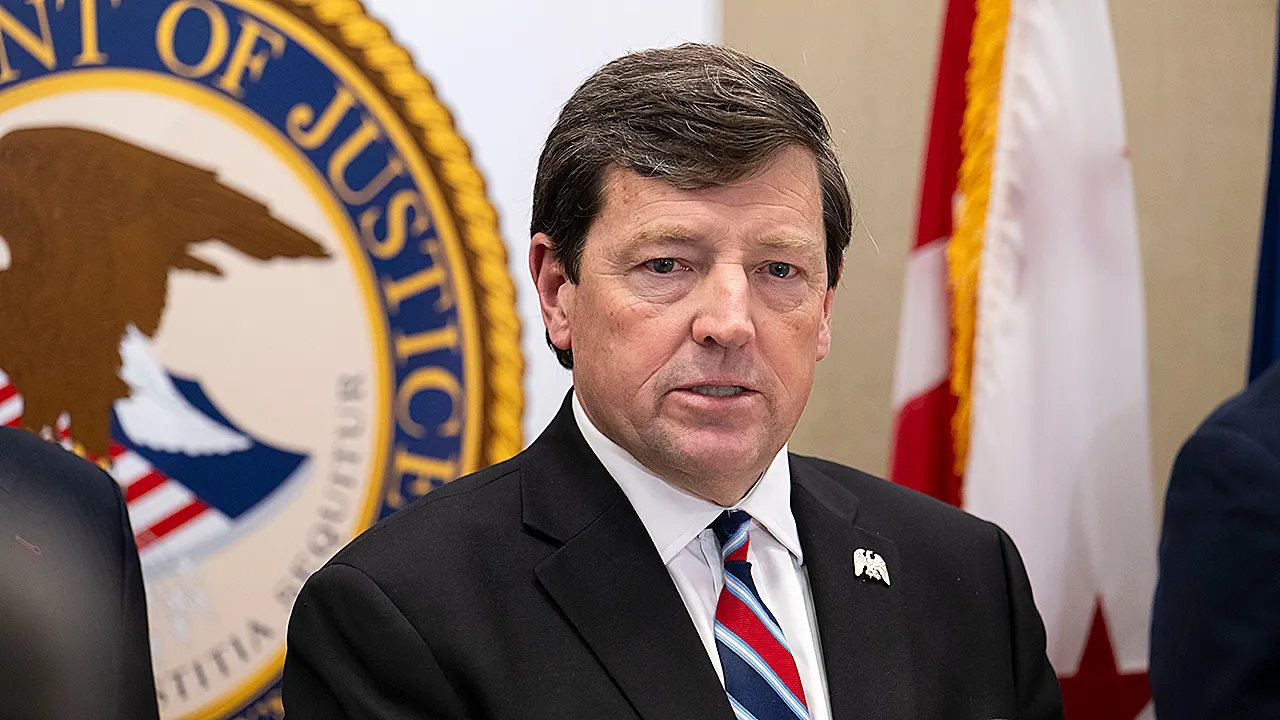
A senior Trump administration official and former acting U.S. attorney for Washington, D.C., Ed Martin, is under disciplinary review for actions related to President Donald Trump’s anti-diversity, equity, and inclusion initiative, sparking outrage from the Justice Department.
The ethics complaint, filed Friday to the D.C. Court of Appeals Board on Professional Responsibility and made public Tuesday, centers on a letter Martin sent to Georgetown Law in February while serving as interim U.S. attorney for the District of Columbia.
According to the complaint, Martin demanded information about Georgetown Law’s DEI practices and teachings. Without waiting for a response, he allegedly announced sanctions against the school, instructing his staff not to hire students, fellows, or interns affiliated with the university.
The complaint accuses Martin of violating the First and Fifth Amendments by using his government position to demand changes to the university’s teachings, failing to provide adequate response time, and threatening adverse action against Georgetown for teaching particular viewpoints.
Justice Department officials have forcefully condemned the ethics complaint, with spokesperson characterizing it as evidence of “partisan” treatment from the D.C. Bar. The DOJ claims the organization “continues to target and punish those serving President Trump while refusing to investigate or act against actual ethical violations that were committed by Biden and Obama administration attorneys.”
The complaint was signed by Hamilton Fox, the disciplinary counsel for the D.C. Bar, who functions similarly to a prosecutor in attorney misconduct cases. Fox News Digital reviewed FEC records showing Fox previously donated thousands to Barack Obama’s 2008 presidential campaign, a fact highlighted by critics questioning the impartiality of the process.
Additional allegations in the complaint state that Martin conducted unauthorized communications with the chief judge and senior judge for the U.S. Court of Appeals for the D.C. Circuit after being asked to respond to concerns about his Georgetown Law letter. According to the document, Martin refused to respond to the Disciplinary Counsel’s inquiry, complained about “uneven behavior,” and requested a face-to-face meeting, copying White House counsel on the communication.
Todd Blanche, the Justice Department’s second-highest-ranking official, sharply criticized the complaint on social media Tuesday, writing: “The DC Bar is such a blatantly Democrat-run political organization. Thank God I’m not a member, and trust me, I never will be.”
Martin’s tenure at the Justice Department has been marked by controversy. His path to confirmation as U.S. Attorney for D.C. stalled amid concerns from some Senate Republicans, leading Trump to install him last May as the Justice Department’s pardon attorney. Trump also appointed Martin to head the newly formed “Weaponization Working Group,” an internal DOJ body tasked with investigating federal prosecutions viewed by the administration as unfairly partisan. Martin was removed from this role last month, though no reason was immediately provided.
The ethics complaint will now move to the D.C. Court of Appeals for review, a process that typically takes months or longer to complete.
This development comes shortly after the Justice Department filed a notice of proposed rulemaking in the Federal Register that would permit the department to suspend state bar investigations while the DOJ conducts its own review—a move that could have implications for cases like Martin’s.
The case highlights growing tensions between the Trump administration and traditional legal institutions, with each side claiming political motivations are driving the other’s actions. As the disciplinary process unfolds, it will likely further intensify debates about professional ethics, academic freedom, and the politicization of legal institutions.
Fact Checker
Verify the accuracy of this article using The Disinformation Commission analysis and real-time sources.

12 Comments
Intriguing case that highlights the ongoing debates around DEI initiatives and the role of government in academia. While the DOJ’s response suggests political motivations, the specifics of the complaint still warrant close examination to ensure academic freedom is protected.
Agreed, this is a delicate balance that requires impartial scrutiny. The political tensions are clear, but the core issues around government overreach and academic independence need to be the focus.
This case seems to raise important questions around the line between legitimate government oversight and improper political interference in academic freedom. The DOJ’s criticism of the partisan nature of the complaint is worth considering, but the alleged actions of the former Trump official also merit close scrutiny.
Agreed, it’s a complex issue that requires balancing multiple principles. The department’s response suggests political tensions, but the details of the complaint are also concerning if accurate.
This case seems to reflect the ongoing tensions around diversity, equity, and inclusion initiatives, which have become a flashpoint for political debates. While the DOJ’s criticism of partisanship is understandable, the specifics of the complaint still warrant close scrutiny.
You’re right, the political context is important here, but the potential misuse of government power to influence university policies and teachings is the real concern. Impartiality and academic freedom should be paramount.
An interesting and complex case that highlights the ongoing debates around DEI, government oversight, and academic freedom. While the DOJ’s criticism of partisanship is understandable, the specifics of the complaint still merit close examination to ensure these principles are properly balanced.
Absolutely, this is an issue that requires nuanced analysis beyond just political rhetoric. Upholding academic freedom while also maintaining appropriate government oversight is a delicate but essential balance.
The DOJ’s pushback on this complaint is noteworthy, but the alleged actions of the former Trump official, if accurate, raise serious questions about the boundaries of government oversight and the protection of academic freedom. This is a complex issue that deserves careful, non-partisan analysis.
Interesting to see the DOJ push back on this complaint, but the details around the former official’s alleged actions are quite troubling if true. Governmental overreach into university curricula and hiring is a real danger to academic freedom that deserves careful examination.
Absolutely, this case highlights the need for clear boundaries and transparency around government oversight of academic institutions. The partisan nature of the complaint raises questions, but the substance requires thorough investigation.
This case touches on some fundamental tensions between government oversight, academic freedom, and partisan politics. The DOJ’s response raises valid concerns, but the details of the complaint also deserve careful consideration to ensure the integrity of university operations.