


Listen to the article
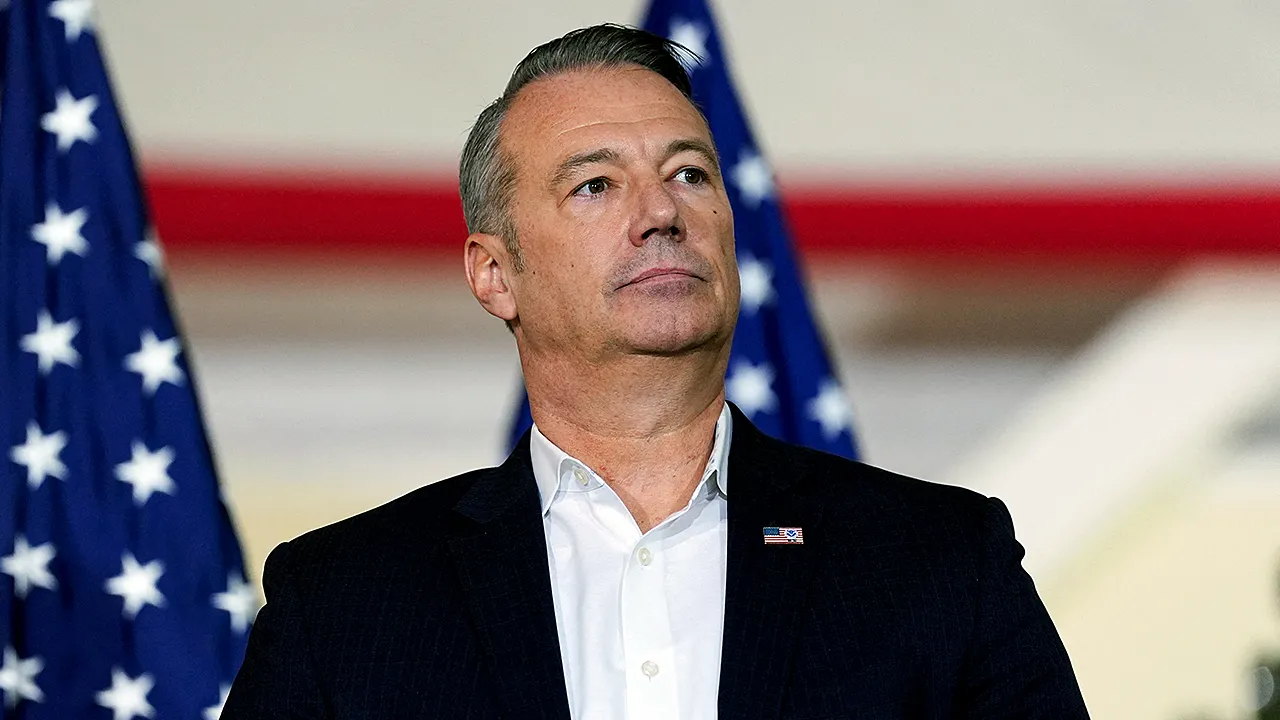
A federal judge in Minnesota has withdrawn his threat to hold acting U.S. Immigration and Customs Enforcement (ICE) Director Todd Lyons in contempt of court after a detained individual at the center of the case was released.
Chief U.S. District Judge Patrick Schiltz canceled a hearing scheduled for Friday that would have required Lyons to explain the agency’s actions amid the Trump administration’s immigration enforcement operations. The hearing was originally set after ICE failed to comply with a January 14 court order requiring the agency to either hold a bond hearing for Juan Hugo Tobay Robles or release him from detention within seven days.
According to Graham Ojala-Barbour, an attorney representing Tobay Robles, his client has since been released from detention in Texas, prompting the judge to cancel the contempt proceeding.
Despite this development, Judge Schiltz made it clear in his order that the court remains deeply concerned about ICE’s broader pattern of non-compliance with judicial orders. The judge stated that ICE had violated 96 court orders across 74 different cases since January 1, 2026 alone.
“The extent of ICE’s noncompliance is almost certainly substantially understated,” Schiltz wrote in his order. “This list should give pause to anyone — no matter his or her political beliefs — who cares about the rule of law. ICE has likely violated more court orders in January 2026 than some federal agencies have violated in their entire existence.”
The case highlights escalating tensions between the federal judiciary and immigration enforcement agencies as the administration pursues aggressive deportation policies. Immigration advocates have criticized recent ICE operations in Minnesota and other states, arguing they’ve resulted in due process violations and family separations.
The judge explicitly warned that the cancellation of Friday’s hearing did not mean ICE was “in the clear” and indicated that Lyons or other government officials could still be compelled to appear in court in the future regarding the agency’s practices.
This case is part of a larger legal battle over immigration enforcement tactics. In a separate but related matter earlier this month, Schiltz blocked the deportation of a 5-year-old boy and his father who were detained during immigration operations in Minnesota, raising additional questions about ICE’s compliance with court orders and due process requirements.
Legal experts note that judicial oversight of immigration enforcement has become increasingly important as policies have tightened. Courts across the country have issued numerous stays and temporary restraining orders to prevent deportations while legal challenges proceed through the system.
The detention of Tobay Robles that sparked this particular confrontation follows a pattern of controversial enforcement actions that have triggered protests in Minneapolis and other cities. Immigration rights groups have organized demonstrations against what they characterize as aggressive and disruptive enforcement tactics.
While Tobay Robles has requested that the court hold a hearing where he could present evidence of hardships suffered due to ICE’s failure to comply with the original court order, Judge Schiltz indicated he would not schedule such a hearing at this time. However, the judge noted that if Tobay Robles wishes to seek monetary sanctions, he could file “a properly supported motion to that effect.”
ICE and the Department of Homeland Security have not yet commented on the judge’s order or the release of Tobay Robles. The agencies face growing scrutiny from both the judiciary and immigrant advocacy organizations over their enforcement priorities and compliance with legal requirements.
As this legal confrontation continues to unfold, it highlights the ongoing tension between aggressive immigration enforcement policies and judicial oversight designed to ensure due process and legal compliance.
Fact Checker
Verify the accuracy of this article using The Disinformation Commission analysis and real-time sources.

12 Comments
It’s good to see the judge taking a firm stance on this issue. Repeated non-compliance with court orders is a serious problem that needs to be addressed. Ensuring the fair and lawful treatment of detainees is a fundamental responsibility of government agencies.
This is a concerning development that speaks to deeper issues within the immigration enforcement system. The judiciary must be able to effectively check the power of executive agencies to ensure fairness and the rule of law.
The withdrawal of the contempt threat is a positive step, but the broader issue of ICE’s disregard for judicial oversight remains worrying. Maintaining the integrity of the legal system is crucial, even in contentious areas like immigration enforcement.
I agree, compliance with court orders should be non-negotiable. This case raises important questions about the checks and balances in the immigration enforcement system.
The judge’s decision to withdraw the contempt threat is understandable, but the larger issue of ICE’s non-compliance with court orders is deeply concerning. Maintaining the balance of power and ensuring government agencies respect judicial authority is essential for a well-functioning democracy.
The withdrawal of the contempt threat may be a pragmatic move, but the underlying problem of ICE’s disregard for court orders remains. Restoring public trust in the impartiality and effectiveness of the legal system should be a top priority.
While the immediate threat of contempt charges has been averted, the underlying concerns about ICE’s disregard for judicial orders remain. Upholding the rule of law should be a top priority, even in the contentious realm of immigration enforcement.
This is a complex and politically charged issue, but the judiciary must be able to hold government agencies accountable. The high number of violations raises concerns about the internal culture and practices at ICE. Reforms may be necessary to restore public trust.
The judge’s decision to withdraw the contempt threat is pragmatic, but the broader pattern of non-compliance is very troubling. Robust oversight and consequences for violations are essential to ensure government agencies respect the authority of the courts.
Absolutely. Accountability and transparency are crucial, especially for agencies wielding significant power like ICE. This case highlights the need for systemic reforms to improve compliance with judicial orders.
While the immediate crisis has been averted, this case shines a light on the broader tensions between the judiciary and federal immigration enforcement. Upholding the integrity of the legal system should be a paramount concern, even in politically charged areas.
This highlights the ongoing tensions between the judiciary and federal immigration enforcement. It’s concerning to see such a pattern of non-compliance with court orders, which undermines the rule of law. Hopefully this can spur reforms to improve transparency and accountability at ICE.