


Listen to the article
Federal Judge Blocks Trump Administration from Detaining Pro-Palestinian Academic Protesters
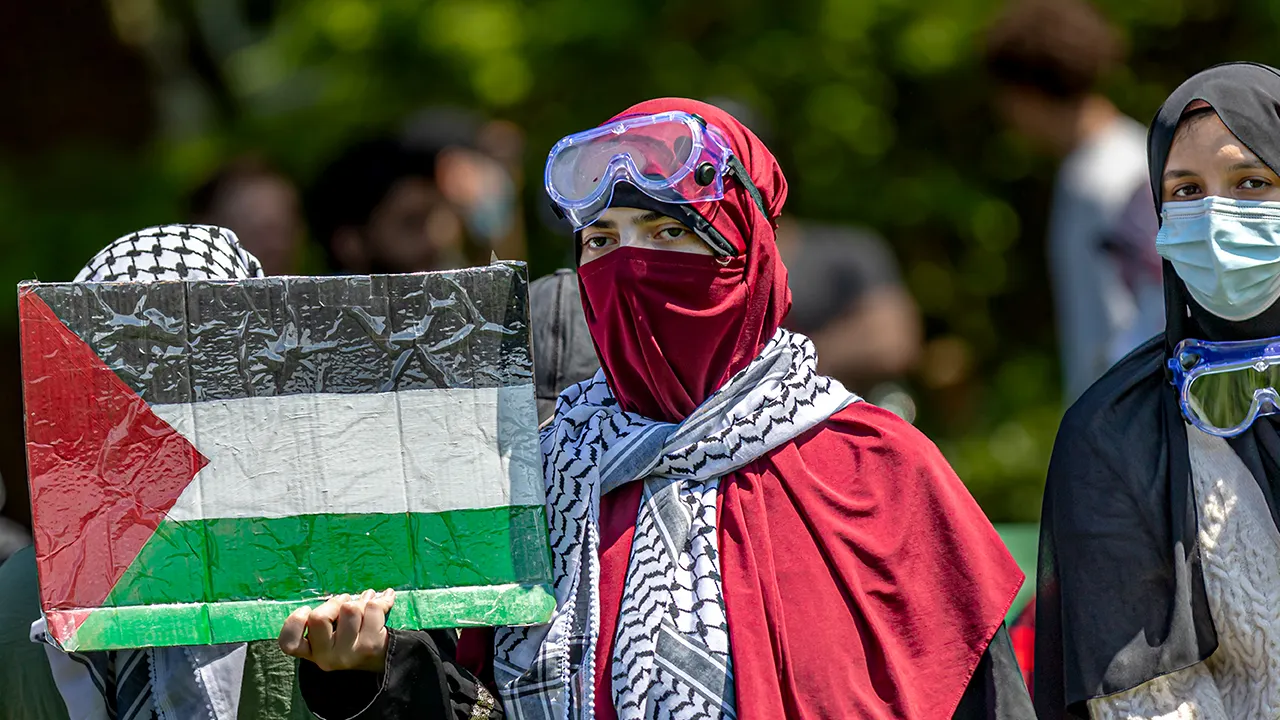
A federal judge in Boston has issued a court order preventing the Trump administration from detaining or “retaliating” against non-citizen pro-Palestinian academics and student protesters on college campuses across the United States.
U.S. District Judge William G. Young, appointed by President Reagan, ruled that such individuals have the right to challenge any attempts to remove them from the country through the federal court system. The judge’s decision follows his earlier ruling last fall that the administration’s actions constituted an “unconstitutional conspiracy” that violated First Amendment rights.
“There doesn’t seem to be an understanding of what the First Amendment is by this government,” Young stated in his strongly-worded assessment.
The new order establishes what Young described as “remedial sanctions” designed to protect “certain plaintiffs’ noncitizen members” from facing repercussions for exercising their constitutional rights. The protections specifically apply to non-citizen pro-Palestinian academic protesters and students whom the judge previously determined had been “illegally” and “intentionally” targeted by Trump officials.
In his September ruling, Judge Young established that non-citizens in the United States possess the same free speech protections as citizens, a principle he has now formalized in this court order.
The order stipulates that individuals seeking protection must demonstrate membership in either the American Association of University Professors or the Middle East Studies Association—the two academic organizations that initiated the lawsuit against the Trump administration. Additionally, they must provide documentation confirming their current legal immigration status and demonstrate they have not been accused of any crimes since September.
“Upon such proof, it shall be presumed that the alteration in immigration status is in retribution for the exercise during the course of the present case of their First Amendment rights,” Young explained in the order.
During a hearing last week to determine appropriate remedies, Judge Young delivered a remarkable rebuke of high-ranking administration officials, including President Donald Trump, Secretary of State Marco Rubio, and Department of Homeland Security Secretary Kristi Noem.
“I find it breathtaking that I have been compelled on the evidence to find the conduct of such high-level officers of our government—cabinet secretaries—conspired to infringe the First Amendment rights of people with such rights here in the United States,” Young stated during the proceedings. “These cabinet secretaries have failed in their sworn duty to uphold the Constitution.”
The Trump administration has defended its actions as part of a broader effort to combat antisemitism, particularly on college campuses, claiming that the individuals in question were “pro-Hamas.”
White House spokesperson Anna Kelly responded to Young’s remarks, calling it “bizarre that this judge is broadcasting his intent to engage in left-wing activism against the democratically elected President of the United States.”
Similarly, DHS Assistant Secretary for Public Affairs Tricia McLaughlin issued a statement declaring, “There is no room in the United States for the rest of the world’s terrorist sympathizers, and we are under no obligation to admit them or let them stay here.”
Judge Young also announced plans to make public a significant amount of evidence used in the case, overriding the administration’s request to keep these materials sealed. He accused Trump and his advisors of adopting a “fearful approach” to freedom of speech to “exclude from participation everyone who doesn’t agree with them.”
This is not the first time Young has faced controversy for his sharp criticisms of the president. In June, he ruled the administration acted illegally when it reduced funding for NIH research grants, characterizing the cuts as “appalling” evidence of “racial discrimination” and discrimination against the LGBTQ community. The Supreme Court later overturned that injunction in a 5-4 decision, with two justices specifically criticizing Young’s approach.
The administration is almost certain to appeal this latest ruling to a higher court as the legal battle over free speech protections for non-citizens continues.
Fact Checker
Verify the accuracy of this article using The Disinformation Commission analysis and real-time sources.

10 Comments
I’m curious to learn more about the activists’ specific criticisms of the Trump administration. What were the alleged constitutional violations they claimed? This case could set an important precedent for protecting free expression on college campuses.
The judge’s language about an “unconstitutional conspiracy” seems quite strong. It will be worth following the legal arguments and evidence presented on both sides as this case moves forward.
This is a complex and sensitive issue, but the judge seems to have made a principled ruling in defense of constitutional rights. I’m curious to learn more about the specific allegations and evidence presented by both sides.
Regardless of one’s political leanings, protecting free expression is fundamental. This case could set an important precedent on the boundaries of acceptable campus protest activity.
This ruling is a win for civil liberties, but the broader political context around the Israeli-Palestinian conflict adds complexity. I wonder how the administration will respond and if this ends up going to the appeals courts.
Regardless of one’s views on the Middle East, protecting the right to peaceful protest is crucial. Hopefully this case can set a clear legal precedent on these issues.
Interesting case, seems the judge is trying to protect the First Amendment rights of these pro-Palestinian activists. It’ll be important to see how this plays out and if the administration appeals the ruling.
Yes, this case touches on sensitive issues around free speech, immigration, and the Middle East conflict. The judge’s decision to establish safeguards for these protesters will likely be controversial.
While I may not agree with the activists’ political views, I respect the judge’s decision to uphold their First Amendment rights. This case highlights the ongoing tensions around free speech, immigration, and foreign policy.
It will be interesting to see how this case develops and what implications it might have for other politically-charged campus protests and activism going forward.