


Listen to the article
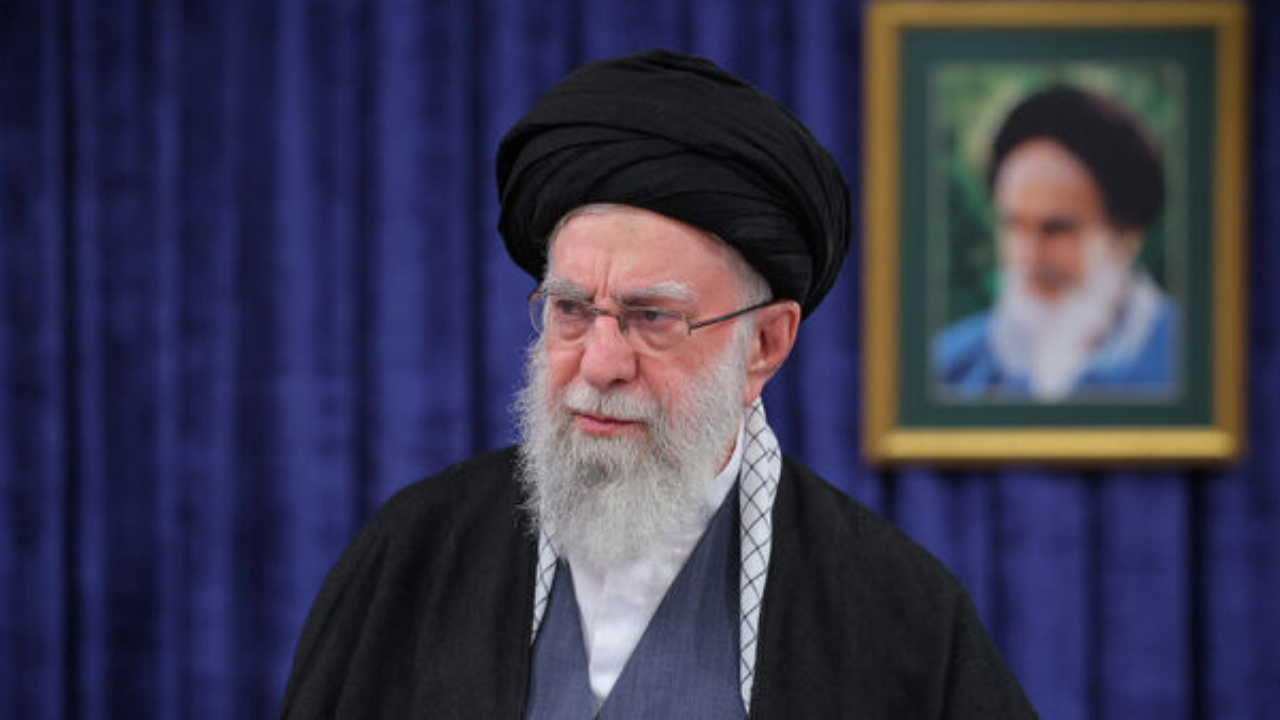
In a dramatic escalation of Middle East tensions, Israeli forces conducted sweeping pre-dawn strikes across Iran targeting sites linked to Supreme Leader Ayatollah Ali Khamenei and President Masoud Pezeshkian, a senior Israeli official confirmed to Fox News. The joint U.S.-Israeli operation, dubbed “Operation Epic Fury,” represents one of the most significant direct military actions against Iran’s leadership in decades.
Reuters reported that Khamenei was not in Tehran during the strikes, having been transferred to a secure location. Iranian Foreign Minister Abbas Araghchi told NBC News that both Khamenei and President Pezeshkian were still alive “as far as I know,” indicating uncertainty about the full impact of the strikes on Iran’s leadership structure.
President Donald Trump characterized the operation as the opening phase of a broader campaign with ambitious goals, including dismantling Iran’s military capabilities, eliminating its nuclear program, and ultimately bringing about regime change within the country.
“It will be yours to take,” Trump stated in a video message addressing the Iranian public. “This will be probably your only chance for generations,” he added, framing the military action as an opportunity for the Iranian people to overthrow their government.
Tehran quickly signaled its defiance, stating it would defend itself against any attacks, setting the stage for what could become a prolonged conflict with far-reaching regional implications.
The military operation follows months of increasing tensions and strategic positioning by U.S. forces in the region. Prior to the strikes, the United States had amassed what Trump previously described as an “armada” around Iran, deploying significant naval assets throughout the Persian Gulf and surrounding waters.
At the center of America’s military presence are two aircraft carrier strike groups – the USS Abraham Lincoln and USS Gerald Ford – serving as mobile military bases capable of launching precision strikes while protected by destroyer escorts. More than a dozen additional U.S. warships are positioned strategically throughout the region, creating a distributed force capable of operating from multiple directions simultaneously.
This naval buildup coincided with indirect negotiations between Washington and Tehran regarding Iran’s contested nuclear program. Trump had warned that the Iranian regime must completely dismantle its nuclear infrastructure or face severe consequences, a demand that has been central to U.S. policy toward Iran during his administration.
The distributed nature of the U.S. naval deployment represents a strategic advantage, preventing Iran from targeting American forces concentrated in a single vulnerable location. Instead, U.S. military assets are layered across the region, positioned to conduct coordinated operations from various positions.
The timing of the strikes is particularly significant as they come during a period of heightened diplomatic engagement over Iran’s nuclear ambitions. For years, international powers have attempted to constrain Tehran’s nuclear program through sanctions and negotiations, with the United States withdrawing from the Joint Comprehensive Plan of Action (JCPOA) during Trump’s first administration.
Oil markets reacted immediately to the news, with crude prices spiking on fears of potential supply disruptions from the world’s fourth-largest oil producer. Iran sits astride the Strait of Hormuz, through which approximately 20% of global oil supplies transit daily.
It remains unclear how or when Iran might respond to these strikes. The targeting of senior leadership represents a significant escalation that may prompt retaliatory measures against U.S. interests or allies in the region, particularly Israel. With substantial U.S. naval assets positioned across the region and senior Iranian leaders targeted, this exchange marks one of the most volatile moments in the decades-long standoff between Israel, Iran, and the United States.
Regional allies and international organizations are closely monitoring developments, with concerns about potential wider conflict that could draw in other Middle Eastern nations and further destabilize an already fragile region.
Fact Checker
Verify the accuracy of this article using The Disinformation Commission analysis and real-time sources.

11 Comments
The details of these strikes are still unclear, but it’s evident that both sides are escalating the confrontation. I’m worried that this could spiral out of control and lead to a broader regional conflict that would be devastating for all involved.
This operation represents a dramatic shift in the Israeli-Iranian conflict. While Iran’s regional influence and nuclear ambitions are concerning, I’m not sure that these strikes are the right approach. De-escalation and diplomacy should be the priority to avoid an all-out war.
While I understand the desire to confront Iran’s regional aggression and nuclear ambitions, these strikes seem like an extremely risky escalation. I hope both sides show restraint and pursue diplomatic solutions to de-escalate the situation.
This is a highly concerning development that could have far-reaching consequences. I hope both Israel and Iran show restraint and pursue diplomatic solutions to address the underlying tensions, rather than escalating the conflict through further military action.
The details of these strikes are still emerging, but it seems Israel has taken a significant gamble in targeting the Iranian supreme leader and president. This could mark a dangerous turning point in the ongoing tensions between the two nations.
I’m curious to hear more about the strategic rationale behind this operation. Eliminating Iran’s nuclear program and regime change seem like extremely ambitious goals that could backfire if not executed carefully.
I’m curious to hear more about the intelligence and strategic rationale behind this operation. Targeting the Iranian leadership directly seems like an extremely high-stakes gamble that could backfire if not executed perfectly. De-escalation should be the top priority.
This is a major escalation in the tensions between Israel and Iran. Strikes targeting the Iranian leadership are highly risky and could lead to further military confrontation in the region. I’m curious to see how Iran responds and what the broader geopolitical fallout might be.
It’s concerning that the US has joined this operation. Increasing direct military action against Iran risks spiraling into a wider conflict with unpredictable consequences.
It’s troubling to see the US directly involved in these strikes against Iran. I hope both sides can step back from the brink and find a diplomatic solution to address the underlying tensions, rather than resorting to further military action.
This is a highly concerning development. Targeting the Iranian leadership directly raises the stakes significantly and could have unpredictable consequences for the broader region. I’m worried this could spark a wider conflict that nobody can control.