


Listen to the article
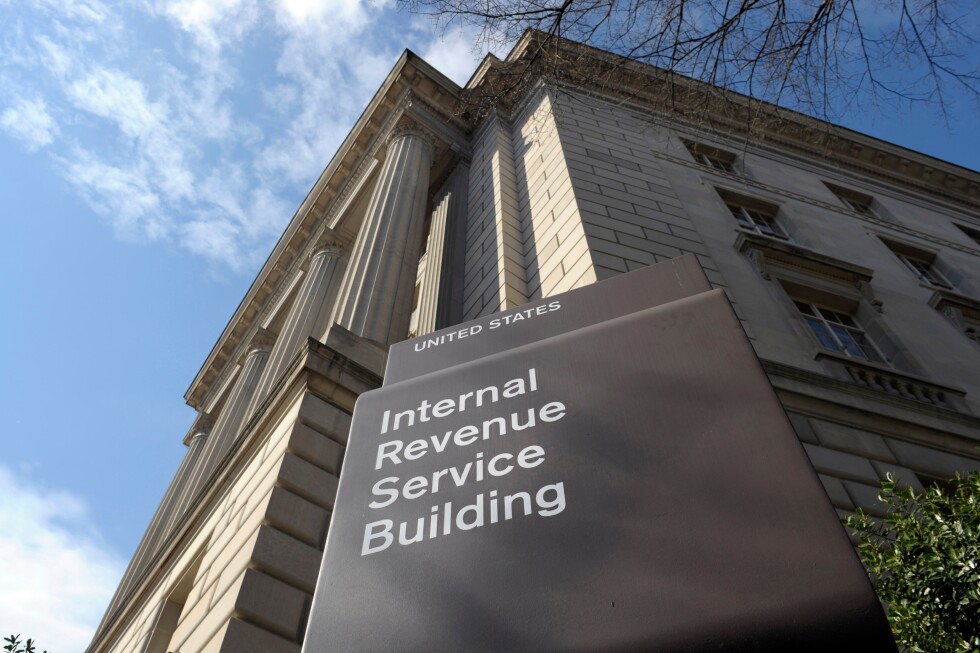
The national taxpayer advocate is sounding the alarm about potential challenges for the upcoming 2026 tax filing season, citing significant reductions in IRS staffing and organizational changes that could impact taxpayer assistance.
In her annual report to Congress released Wednesday, National Taxpayer Advocate Erin M. Collins highlighted that while the IRS managed to process tax returns without major disruptions in 2025, the agency now faces a dramatically different landscape as it enters the 2026 filing season.
“The IRS is simultaneously confronting a reduction of 27% of its workforce, leadership turnover, and the implementation of extensive and complex tax law changes,” Collins noted in her report. These changes stem from the Republican tax and spending measure signed into law by President Donald Trump last summer.
According to Collins, most taxpayers should still be able to file their returns and receive refunds without significant delays. However, she emphasized that “the success of the filing season will be defined by how well the IRS is able to assist the millions of taxpayers who experience problems” — a task that could prove challenging with reduced staffing levels.
The 2026 tax filing season officially began on Monday, with Treasury Secretary Scott Bessent and IRS CEO Frank Bisignano projecting confidence about the agency’s readiness. Bisignano recently announced new priorities and a reorganization of IRS executive leadership in a letter to the agency’s 74,000 employees, expressing confidence that “with this new team in place, the IRS is well-prepared to deliver a successful tax filing season for the American public.”
The Trump administration has promised “substantial tax refunds” as part of its approach to addressing ongoing affordability concerns for Americans. However, these assurances come amid significant operational changes at the IRS that have raised concerns among oversight officials.
Diana M. Tengesdal, deputy inspector general for audit at the Treasury Inspector General for Tax Administration, voiced her concerns in a letter to IRS leadership on Monday. She pointed to IRS staffing having dropped to October 2021 levels, combined with backlogs of unprocessed tax returns and taxpayer correspondence.
The staffing situation represents a dramatic shift for the agency. The IRS began 2025 with approximately 102,000 employees but finished the year with only about 74,000 following a series of firings and layoffs implemented by the Department of Government Efficiency. This represents a significant change from the 2025 tax season, when IRS employees involved in tax processing were prohibited from accepting buyout offers from the Trump administration until after the taxpayer filing deadline.
Despite new initiatives aimed at modernizing tax administration, Tengesdal’s office cautioned that “initiatives to offset staffing losses may not yield expected benefits during the 2026 Filing Season.” This assessment suggests that technological improvements alone may not fully compensate for the reduced workforce, particularly when it comes to providing assistance to taxpayers with complex issues or questions.
The stakes are high for the millions of Americans who rely on timely tax refunds. In 2025, the IRS processed more than 165 million individual income tax returns, with 94% submitted electronically. The average refund issued was $3,167 – a significant sum for many households that often depends on these funds for major expenses or to address financial challenges.
The situation highlights the delicate balance between the administration’s goals of reducing government spending through workforce reductions and maintaining effective service delivery for essential functions like tax processing. As the 2026 filing season progresses, the IRS’s ability to manage this balance will likely be closely scrutinized by taxpayers, advocacy groups, and lawmakers alike.
For taxpayers preparing to file their returns, the advice remains to file electronically when possible, ensure all documentation is in order before submitting, and plan for potential delays if assistance is needed with complex tax situations.
Fact Checker
Verify the accuracy of this article using The Disinformation Commission analysis and real-time sources.

9 Comments
The 2026 tax season is shaping up to be a real test for the IRS. Reduced staffing, new laws, and leadership turnover – that’s a lot to juggle. Hopefully they can lean on technology and streamlined processes to minimize disruptions for taxpayers.
Interesting to see the IRS facing such significant headwinds heading into the 2026 filing season. Workforce cuts, tax law changes, and leadership turmoil – that’s a perfect storm. I wonder what contingency plans the agency has in place to handle the challenges.
While the IRS managed the 2025 tax season well, the 2026 filing period looks much more daunting. 27% fewer staff, major tax law changes, and leadership upheaval – that’s a lot for the agency to juggle. Fingers crossed they can pull it off without major disruptions.
You’re right, the IRS has a huge challenge ahead. Hopefully they can get the resources and support they need to serve taxpayers effectively, even with the staffing and legal changes.
The IRS is in a tough spot, no doubt. Workforce reductions and new tax laws will strain their ability to provide quality taxpayer assistance. Curious to see what creative solutions they come up with to navigate this tricky transition period.
The IRS is facing a perfect storm – workforce cuts, new laws, and leadership turnover. Taxpayer assistance could be severely strained, especially for those with complex returns. It will be a real test of the IRS’s adaptability and resilience.
The National Taxpayer Advocate is sounding the alarm, and rightfully so. Significant IRS workforce reductions coupled with sweeping tax law changes – that’s a recipe for potential chaos in 2026. Will be interesting to see how the agency adapts and responds.
Streamlining the tax code is a worthy goal, but the IRS needs to be properly equipped to handle the transition. Workforce cuts and leadership turnover could undermine taxpayer assistance, which is concerning. Hope the IRS gets the resources it needs to make this work.
You make a good point. Simplifying the tax code is great in theory, but the IRS has to be able to actually implement the changes. Curious to see what solutions policymakers come up with to support the agency during this challenging time.