


Listen to the article
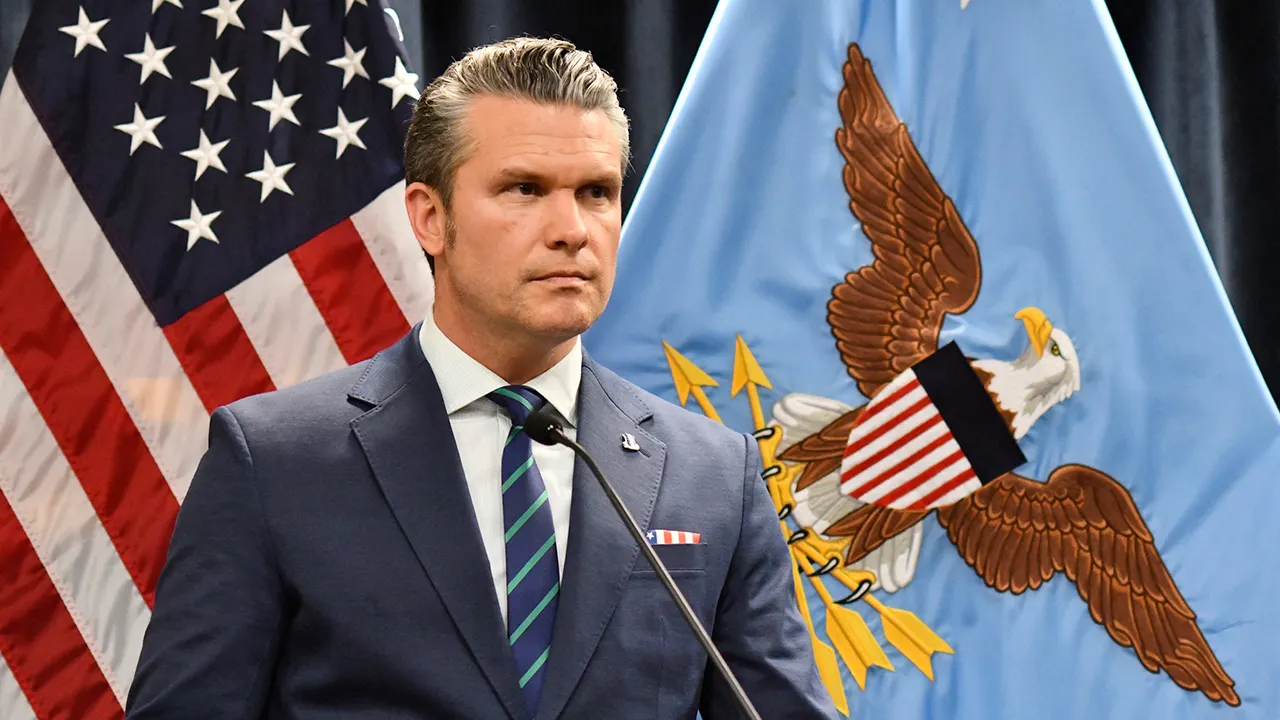
Iranian Supreme Leader Mojtaba Khamenei has been injured and “likely disfigured,” according to U.S. War Secretary Pete Hegseth during a Friday morning press briefing at the Pentagon. The blunt assessment offers a rare glimpse into American intelligence about the current state of Iran’s top leadership.
“Iran’s leadership is in no better shape. Desperate and hiding, they’ve gone underground, cowering. That’s what rats do,” Hegseth told reporters. “We know the new so-called not-so-supreme leader is wounded and likely disfigured.”
The secretary’s comments mark one of the most direct public statements about Mojtaba Khamenei’s condition since he assumed the position of Supreme Leader following the death of his father, Ayatollah Ali Khamenei, earlier this year. U.S. officials have typically been more reserved when discussing specific intelligence about the health or whereabouts of foreign leaders.
Mojtaba Khamenei’s ascension to power came amid considerable political turmoil within Iran. As the son of the previous Supreme Leader, his appointment represented a continuation of the Khamenei family’s control over the Islamic Republic’s highest office. However, his leadership has been marked by increased international tensions and domestic challenges.
The nature and cause of Khamenei’s injuries remain unclear, as Hegseth did not elaborate on how or when the Iranian leader was wounded. The secretary’s characterization of Iranian leadership as “desperate and hiding” suggests a significant degradation of command and control within the regime.
This development comes at a critical moment in U.S.-Iran relations, which have deteriorated steadily in recent years through cycles of confrontation over nuclear programs, regional proxy conflicts, and economic sanctions. The revelation about Khamenei’s condition could signal a potential power vacuum or internal struggle within the Iranian leadership structure.
Regional experts note that any instability in Iran’s leadership could have far-reaching implications for the Middle East. Iran maintains significant influence through proxy groups in Lebanon, Syria, Iraq, and Yemen, while also pursuing nuclear capabilities that have alarmed its neighbors and Western powers.
Oil markets will likely respond to this news, as Iran remains one of the world’s largest petroleum producers despite years of economic sanctions. Uncertainty about the country’s leadership could trigger price volatility in global energy markets already sensitive to geopolitical developments in the region.
The Pentagon has not yet released additional details about the intelligence supporting Hegseth’s claims, though such statements from high-ranking U.S. officials typically undergo rigorous vetting before being made public.
Hegseth, a controversial appointment when named to lead the War Department, has been known for his direct and sometimes provocative statements about America’s adversaries. His characterization of Iranian leaders as “rats” represents unusually strong language for a diplomatic and military official of his rank.
The terminology “War Secretary” itself reflects the recent administrative change from what was previously known as the Department of Defense, a rebranding that signals the current administration’s more assertive approach to global military engagement.
The Iranian government has not yet responded to Hegseth’s comments. Tehran typically dismisses American statements about its leadership as propaganda, though verification of Khamenei’s condition from independent sources has been difficult due to Iran’s tight control of information.
Regional observers will be watching closely for any signs of leadership transition or power struggles within Iran’s theocratic system, particularly given the Revolutionary Guard’s substantial influence in both military and economic spheres.
As this situation continues to develop, American allies in the region, particularly Israel and Saudi Arabia, will be assessing the implications for their own security interests and regional strategies.
Fact Checker
Verify the accuracy of this article using The Disinformation Commission analysis and real-time sources.

9 Comments
If true, this could have significant implications for Iran’s leadership and policymaking. However, I’d want to see more confirmation from other sources before fully believing the claims about Khamenei’s injuries and disfigurement.
Agreed, these types of intelligence assessments on foreign leaders should be viewed with some skepticism unless backed by corroborating evidence.
The political turmoil in Iran seems to be ongoing, with this transition of power amid the death of the previous Supreme Leader. It will be interesting to see how Iran’s leadership and policies evolve under the new Supreme Leader, assuming the reports about his health are accurate.
Yes, the stability and direction of Iran’s government is an important geopolitical issue to watch closely. Any major changes in its leadership could have ripple effects in the region.
While the U.S. assessment of Khamenei’s condition may be accurate, I always take claims about the health of foreign leaders with a grain of salt. There can be incentives to exaggerate or downplay such issues for political reasons.
That’s a fair point. Reliable, objective information on the inner workings of Iran’s government can be difficult to come by, so it’s prudent to approach these reports cautiously.
The shift in Iran’s supreme leadership is an important development to monitor, given the country’s outsized influence in the Middle East. However, I would want to see more corroborating evidence before drawing firm conclusions about Khamenei’s purported injuries.
Interesting report on the health of Iran’s new Supreme Leader. It’s rare to get such direct comments from U.S. officials on the condition of foreign leaders. I wonder what the intelligence is that led to these statements, and how reliable it is.
Yes, the secretary’s comments are quite blunt. I’m curious to see if Iran responds and provides its own assessment of Khamenei’s health.