


Listen to the article
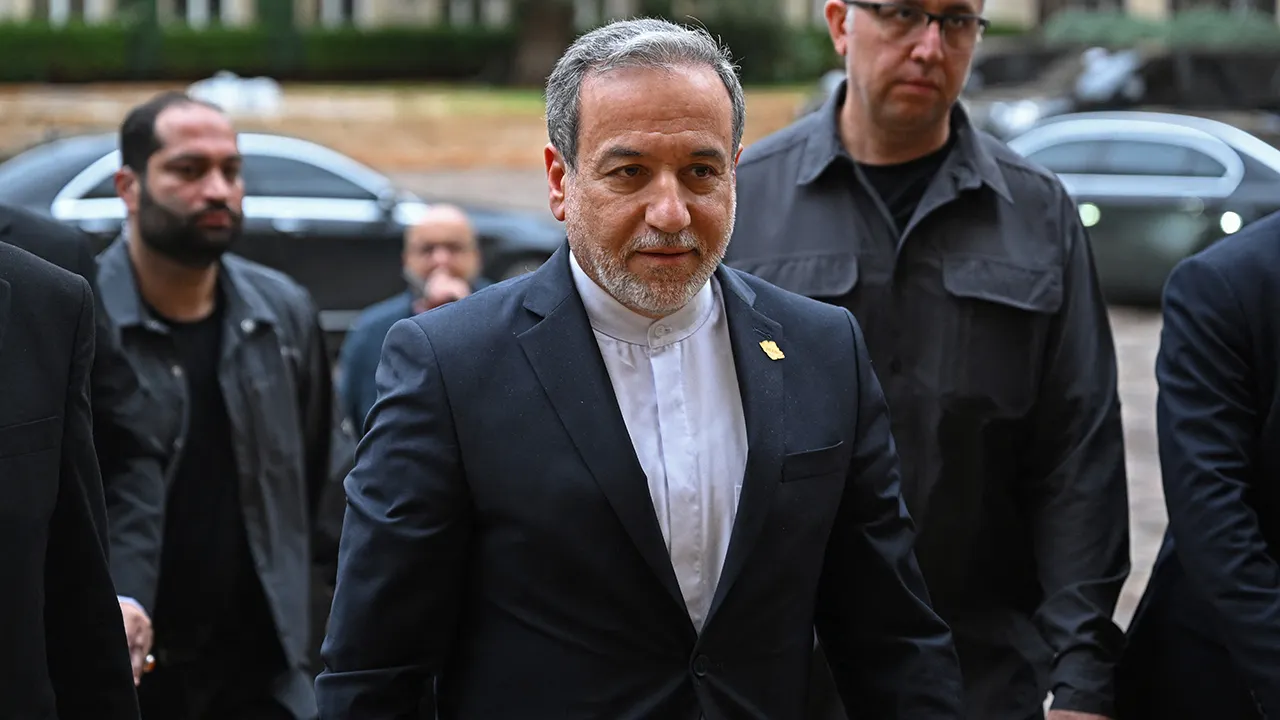
In a rare televised appearance on Western media, Iranian Foreign Minister Abbas Araghchi has rejected reports of mass casualties during Iran’s recent protest surge, attributing any deaths to what he described as “an Israeli plot” designed to escalate violence and draw international intervention.
During his interview on Fox News’ “Special Report with Brett Baier” Wednesday evening, Araghchi was confronted with estimates suggesting between 2,500 to more than 12,000 protesters have died in the ongoing unrest. The foreign minister disputed these figures, claiming the actual death toll is only in the hundreds.
“When terrorist elements led from outside entered these protests and started to shoot police officers and security forces… They used Daesh-style terrorist operations. They got police officers, burned them alive, they beheaded them,” Araghchi stated. “For three days, we had fighting against terrorists, not protesters. It was completely a different story.”
The Iranian official further claimed these alleged terrorist actors deliberately increased civilian casualties with a specific political objective. “They wanted to increase the number of deaths. Why? Because President Trump has said that if there are killings, he would intervene. And they wanted to drag him into this conflict,” Araghchi asserted, calling it “exactly an Israeli plot.”
Iran has experienced widespread demonstrations since late December, triggered by a massive economic crash that has devastated the country’s already fragile economy. The protests represent one of the most significant challenges to the Islamic Republic’s leadership in recent years.
Araghchi’s narrative starkly contradicts eyewitness accounts reported by international media outlets, including the New York Times. These testimonies describe government forces firing upon unarmed protesters, with some witnesses reporting snipers targeting civilians in urban centers.
Human rights organizations have expressed alarm over the situation, with Amnesty International and other monitoring groups documenting patterns of excessive force used against largely peaceful demonstrators. These organizations have also reported mass arrests, with detainees facing potential severe punishments.
Despite mounting evidence to the contrary, the Iranian foreign minister insisted during the interview that there are no imminent plans to execute detained protesters. He attempted to downplay the ongoing unrest, claiming Iran is now experiencing “a calm” and that authorities are “in full control” of the situation.
“Let’s hope that wisdom would prevail. And we don’t go for a high level of tension, which could be disastrous for everybody,” Araghchi added.
The protests in Iran reflect deeper economic and political dissatisfaction that has been building for years. The country faces crushing international sanctions, endemic corruption, and economic mismanagement that have contributed to skyrocketing inflation, currency devaluation, and widespread unemployment.
Regional experts note that Iran’s attempt to blame outside forces for internal unrest follows a familiar pattern. Dr. Sanam Vakil, deputy director of the Middle East and North Africa program at Chatham House, told reporters, “The regime consistently refuses to acknowledge legitimate grievances driving protests, instead fabricating external enemies to maintain its narrative of foreign interference.”
The G7 nations have threatened new sanctions against Iran over the crackdown, with several Western countries summoning Iranian ambassadors to condemn the violence against protesters.
As demonstrations continue across multiple Iranian cities, the international community remains concerned about potential escalation and further human rights abuses in a country that has historically responded harshly to political dissent.
Fact Checker
Verify the accuracy of this article using The Disinformation Commission analysis and real-time sources.

10 Comments
This is a rapidly evolving situation with high stakes for the region. I’ll be following the news closely to see how this unfolds and what the international response entails.
The Iranian government’s allegations of an Israeli conspiracy seem intended to deflect attention from the domestic unrest. I hope the truth can be established through impartial investigation.
That’s a fair point. Geopolitical finger-pointing often obscures the underlying issues that need to be addressed.
While I appreciate the Iranian government’s perspective, the scale of the reported deaths is deeply concerning. I hope all sides can work to protect innocent lives and uphold human rights.
Agreed, the protection of human life should be the paramount priority here. Reliable information and transparent investigations will be crucial going forward.
This is a serious and complex situation that requires a careful, fact-based response. I hope the US and Iran can work to de-escalate tensions through diplomatic means rather than military action.
Agreed, a measured, diplomatic approach is crucial here to avoid further escalation and loss of life.
While I understand Iran’s desire to maintain stability, the reported use of lethal force against protesters is extremely concerning. De-escalation and respect for human rights should be the priority.
The Iranian government’s account of events seems to be at odds with many independent reports. I’m curious to see what evidence emerges as more information becomes available.
Yes, I share your skepticism. The truth is often hard to discern amid conflicting narratives, especially in such a charged political environment.