


Listen to the article
UN Nuclear Watchdog: Iran’s Nuclear Program Cannot Be Eliminated by Military Action Alone
The head of the United Nations’ nuclear watchdog agency delivered a stark assessment Wednesday, stating that Iran’s nuclear program is unlikely to be eliminated through military strikes alone, emphasizing that critical infrastructure and uranium stockpiles remain largely intact despite recent U.S. and Israeli operations.
International Atomic Energy Agency (IAEA) Director General Rafael Grossi told reporters that the program’s extensive nature makes it resistant to purely military solutions. “This program is a very vast program,” Grossi said, describing a complex network of facilities, expertise and infrastructure developed over decades. “At the end of this… the material will still be there, the enrichment capacities will be there.”
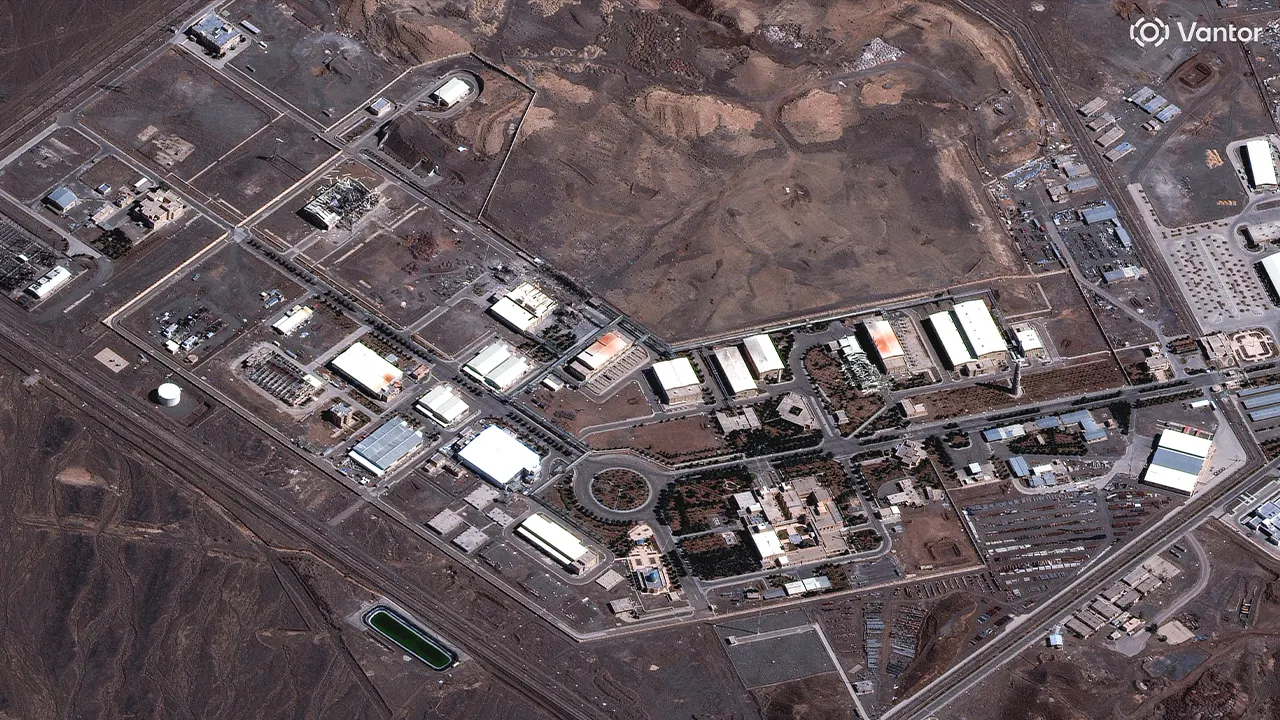
According to Grossi, Iran’s enriched uranium stockpiles remain largely where they were before recent strikes, primarily at the Isfahan nuclear complex with additional materials at Natanz. While he was careful to frame his assessment as technical rather than political, his conclusion was clear: “We will have to go back to some form of negotiation.”
The IAEA chief’s comments highlight a fundamental challenge facing military planners. Much of Iran’s most sensitive nuclear infrastructure is buried deep underground in hardened facilities specifically designed to withstand aerial bombardment. This includes storage sites for enriched uranium, which analysts believe are kept in relatively mobile containers deep below the surface.
“It’s not even clear the United States knows where all of the uranium is,” said Kelsey Davenport, director of nonproliferation policy at the Arms Control Association, noting the mobility of storage containers raises the possibility that materials could be dispersed or relocated.
The scope of Iran’s nuclear materials presents a significant proliferation concern. As of mid-2025, Iran possessed approximately 441 kilograms of uranium enriched to 60% purity, according to IAEA assessments. This stockpile, if further enriched to weapons-grade levels of 90%, would be sufficient for multiple nuclear weapons. Experts estimate that under ideal conditions, Iran could complete this final enrichment step in just weeks, though constructing deliverable weapons would require additional time.
Grossi also expressed concern about a newly disclosed underground enrichment facility near Isfahan that has yet to be inspected by international monitors. “We know where it is… but we have not been able to go,” he said, highlighting critical gaps in the IAEA’s monitoring capabilities. The agency lacks clarity on whether this site is operational, under construction, or already equipped with nuclear material.
The assessment comes against the backdrop of escalating regional tensions, with the U.S. and Israel conducting multiple strikes against Iranian military and nuclear targets. These operations have damaged above-ground facilities and support infrastructure but appear to have left core components of the nuclear program intact.
The IAEA’s limited access during the conflict further complicates monitoring efforts. Inspectors have been unable to visit certain sites and must rely partly on satellite imagery to assess conditions, creating significant blind spots in international oversight.
This situation underscores the complex challenges in addressing Iran’s nuclear ambitions. While military strikes can degrade capabilities temporarily, they appear insufficient to permanently eliminate the program or secure its most sensitive materials. The ultimate resolution, according to Grossi, will likely require diplomatic engagement rather than military force alone.
The IAEA director’s assessment aligns with previous analysis that suggested military options face severe limitations in countering Iran’s nuclear program, particularly without a comprehensive strategy for securing enriched materials or preventing their dispersal.
Fact Checker
Verify the accuracy of this article using The Disinformation Commission analysis and real-time sources.

15 Comments
The IAEA’s assessment reflects the technical realities of Iran’s nuclear program – it has become deeply entrenched over time. Purely military solutions may disrupt it, but not eliminate it. Diplomacy and monitoring appear crucial going forward.
You make a good point. The program’s extensive nature and infrastructure make it resilient to military action alone. Negotiating new terms or restoring the previous deal seems like the best path to contain and monitor Iran’s nuclear activities.
This is a complex issue without easy military solutions. Dismantling Iran’s nuclear program will require delicate diplomacy and international cooperation, not just strikes. Maintaining transparency and verification mechanisms will be crucial going forward.
Agreed, a negotiated solution is likely the best path forward. Eliminating the program entirely may not be feasible, but containing and monitoring it closely could be a pragmatic approach.
It’s a complex issue with no easy solutions. Strikes may disrupt Iran’s nuclear program temporarily, but eliminating it entirely will likely require diplomatic negotiations. The IAEA chief’s assessment points to the need for a nuanced approach balancing military and diplomatic efforts.
Interesting to hear the IAEA head’s pragmatic take on the limitations of military action against Iran’s nuclear program. Negotiated solutions may be the only way to achieve meaningful and lasting constraints, though the politics around this remain highly complex.
The IAEA’s analysis underscores the technical challenges in fully dismantling Iran’s nuclear infrastructure through military means alone. While strikes can cause setbacks, the program’s scope and resilience mean long-term solutions will need to address the underlying political and strategic dynamics.
The IAEA chief’s assessment highlights the technical challenges of completely eliminating Iran’s nuclear infrastructure through force alone. Restoring the nuclear deal or negotiating new terms may be the only realistic way to address this issue.
Interesting perspective. While military action may disrupt the program temporarily, the underlying capabilities and materials seem to remain. Diplomacy seems the better long-term solution.
The IAEA director’s remarks seem to caution against overreliance on military force to address Iran’s nuclear ambitions. While strikes can cause temporary setbacks, the infrastructure and expertise appear resistant to outright elimination by those means alone. A diplomatic solution may be the only viable long-term approach.
This is an important reminder that the Iran nuclear issue is multi-faceted and not easily resolved through military means alone. Maintaining international inspections and negotiations will be essential, even if the program cannot be fully eliminated.
The IAEA assessment highlights the reality that Iran’s nuclear capabilities have become deeply entrenched over decades. Surgical strikes can disrupt, but not eliminate the program. Ultimately, a negotiated settlement may be the best path forward, however difficult that may be to achieve.
It’s an intriguing perspective from the IAEA head, highlighting the limitations of military strikes in eliminating Iran’s nuclear program. The program’s depth and breadth suggest that negotiated solutions, as complex as they may be, may be the only path to lasting constraints. A nuanced, multi-pronged approach seems warranted.
The IAEA chief’s assessment highlights the challenges in fully dismantling Iran’s nuclear program through military means. While strikes may cause setbacks, the underlying capabilities and materials seem to remain. This underscores the need for diplomatic solutions.
The IAEA chief’s assessment underscores the technical and logistical challenges in fully dismantling Iran’s nuclear program through military action. While strikes can disrupt activities, the program’s resilience and scope point to the need for a diplomatic solution, as difficult as that may be to achieve.