


Listen to the article
Oil traffic through the Strait of Hormuz remains effectively halted despite a U.S.-backed ceasefire agreement that specifically included reopening the vital waterway, raising serious questions about Iran’s commitment to the truce conditions.
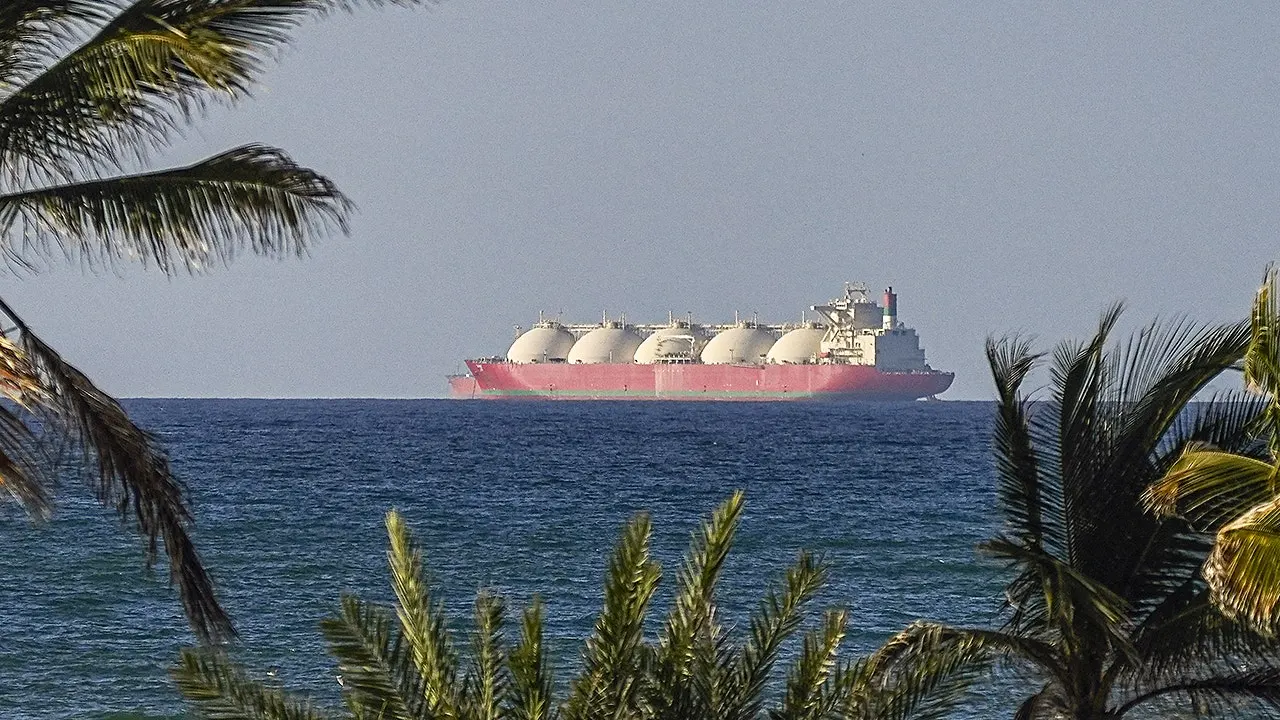
A massive backlog of approximately 3,200 vessels, including 800 tankers and cargo ships, has accumulated west of the strait as operators await clarity on safe passage. Maritime analysts confirm that oil tankers have avoided the route entirely in recent days.
“We’re not seeing any, any, any oil products passing through there,” said Matt Smith, an analyst at maritime data firm Kpler. “So, for all intents and purposes, the strait remains closed. And this is the leverage that Iran has.”
Only a handful of vessels have attempted transit since the ceasefire took effect. On Thursday, just three ships passed through—two Iranian-flagged vessels and one dry bulk carrier. A day earlier, one Sri Lanka-flagged vessel entered the strait while four dry bulk carriers and one Iranian vessel departed, according to Windward AI, a maritime data platform.
President Donald Trump expressed frustration with the situation, writing: “Iran is doing a very poor job, dishonorable some would say, of allowing Oil to go through the Strait of Hormuz. That is not the agreement we have!” Trump had previously stated that the ceasefire hinged on “Iran agreeing to the COMPLETE, IMMEDIATE, and SAFE OPENING of the Strait of Hormuz.”
The maritime standoff has created a humanitarian crisis as well. Nearly 20,000 mariners remain essentially stranded in the Persian Gulf throughout the crisis, according to the International Maritime Organization.
Those few vessels attempting transit are avoiding standard commercial lanes, instead navigating through a corridor near Iran’s Larak Island. Windward’s data shows some ships are switching off tracking systems during passage, likely to reduce visibility and risk.
The disruption has forced a significant rerouting of cargo through alternative ports in Oman and along the United Arab Emirates’ east coast. These detours add approximately two weeks to shipping times and increase transportation costs by about 25 percent, creating ripple effects across global supply chains.
Sultan Al Jaber, head of the Abu Dhabi National Oil Company, bluntly assessed the situation on LinkedIn: “This moment requires clarity. So let’s be clear: the Strait of Hormuz is not open. Access is being restricted, conditioned and controlled. Iran has made clear—through both its statements and actions—that passage is subject to permission, conditions and political leverage.”
The Strait of Hormuz is one of the world’s most critical maritime chokepoints, with approximately 20 percent of global oil supply typically passing through it. Energy security experts note that even if the waterway isn’t physically mined, the perceived threat of missile or drone attacks is deterrent enough for commercial operators.
Insurance constraints further complicate the situation. While war-risk insurance remains technically available for some vessels, premiums have skyrocketed, and policies now include extensive restrictions that make transit economically unfeasible for most shipping companies.
Reports from the Financial Times indicate Iran is demanding a toll of $1 per barrel of oil transported through the strait, to be paid in cryptocurrency—a condition not publicly addressed in the ceasefire agreement.
Iranian state media has justified keeping the strait closed by citing continued Israeli operations against Hezbollah in Lebanon. U.S. officials maintain these operations were not included in the ceasefire terms, although Vice President JD Vance and President Trump have indicated Israel would scale down its Lebanon operations to help preserve the fragile truce.
Despite the ongoing impasse, diplomatic efforts continue. High-level talks between U.S. and Iranian representatives aimed at securing a permanent ceasefire are scheduled for Saturday in Pakistan.
The gap between the ceasefire agreement on paper and conditions on the ground highlights the complex challenge of implementing diplomatic solutions in one of the world’s most strategically vital and contentious waterways.
Fact Checker
Verify the accuracy of this article using The Disinformation Commission analysis and real-time sources.

8 Comments
This is an alarming development that could have far-reaching implications for the energy and commodities markets. Iran’s refusal to honor the ceasefire agreement and its unilateral closure of the Strait of Hormuz is a concerning escalation of tensions. The international community must press Iran to uphold its commitments and restore free passage through this critical waterway.
Maintaining the free flow of oil and other goods through the Strait of Hormuz is critical for global energy markets and trade. Iran’s unilateral actions to halt traffic there, in defiance of a ceasefire deal, are deeply troubling and warrant a strong response from the US and its allies.
Absolutely. The situation requires urgent diplomatic efforts to resolve this impasse and reopen the strait. Failure to do so could have significant economic consequences, not just for the region but for the global economy as a whole.
The backlog of vessels in the Strait of Hormuz is a clear sign that Iran is not serious about the ceasefire agreement. This could have serious ramifications for global energy and commodity supplies, as well as the broader economy. The US and its allies must take firm action to ensure Iran upholds its obligations and reopens the waterway without delay.
Agreed. Iran’s actions are a blatant violation of the ceasefire terms and undermine efforts to de-escalate tensions in the region. The international community should consider imposing sanctions or other punitive measures to compel Iran to comply with the agreement.
This is a concerning development. Iran’s unilateral closure of the Strait of Hormuz, a critical global shipping chokepoint, despite a ceasefire agreement raises serious questions about its commitment to the truce. The buildup of over 3,200 vessels waiting to transit is alarming and could have significant economic and geopolitical implications.
Agreed. Iran appears to be using the strait as leverage, which undermines the ceasefire and could reignite tensions in the region. The international community should press Iran to honor its commitments and reopen the waterway without delay.
The effective closure of the Strait of Hormuz by Iran, despite a ceasefire agreement, is a concerning development that could have significant implications for global energy and commodity markets. This unilateral action by Iran raises questions about its commitment to the truce and the stability of the region. The international community must engage in urgent diplomacy to resolve this impasse and ensure the free flow of trade through this critical waterway.