


Listen to the article
Iran Turmoil Unlikely to Spark Major Refugee Crisis, Experts Say
Iran’s current political instability following the death of Ayatollah Ali Khamenei and several top officials is unlikely to trigger a large-scale refugee crisis similar to those seen in Syria or Afghanistan, according to immigration experts.
Andrew “Art” Arthur, a national security and immigration specialist at the Center for Immigration Studies, points to several key factors that differentiate Iran’s situation from previous refugee crises that have impacted the West.
“Iran is about twice the size of Texas, roughly the size of Alaska,” Arthur explained. “It is a huge country with about 93 million people, but most of it is untouched by the conflict, so individuals could relocate in-country and be perfectly safe.”
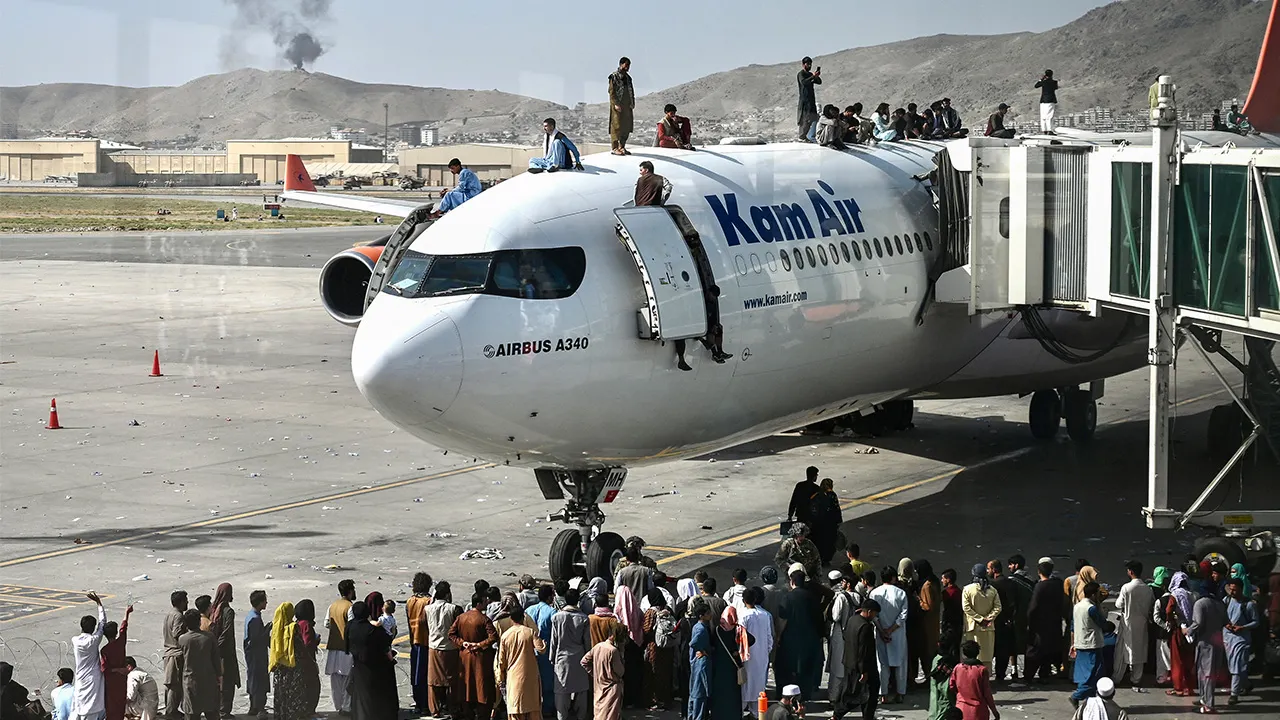
Unlike Afghanistan, where the U.S. maintained a significant military presence for two decades, Western nations don’t have an established footprint inside Iran that would facilitate large-scale evacuations. This absence of infrastructure makes a scenario similar to the chaotic 2021 Afghanistan withdrawal highly improbable.
“We don’t have the ability to do something like President Biden did where we load up C-130s with everybody we can get our hands on and fly them to the United States,” Arthur noted, referring to the unprecedented Operation Allies Refuge and Allies Welcome that brought thousands of Afghans to America.
The geography and regional dynamics also play crucial roles in determining refugee movement patterns. Historically, most refugees resettle in adjacent countries rather than traveling “halfway around the world,” as Arthur described it. This was evident during the Syrian crisis that began during the 2011 Arab Spring, when approximately 11 million Syrians were displaced, with the vast majority relocating to neighboring countries like Turkey, Lebanon, and Jordan.
While the Obama administration established a goal of accepting 10,000 Syrian refugees through resettlement programs, the total number of Syrians registered globally as refugees reached nearly 5 million by 2017, according to the Migration Policy Institute.
In practical terms, Arthur suggests that any U.S. response to an Iranian refugee situation would likely follow historical precedent—providing resources to neighboring countries rather than bringing large numbers of refugees to American soil.
“That’s not the way that this works,” he said, citing America’s approach during the 1980s Afghan-Soviet conflict when the U.S. assisted Afghan refugees in Pakistan without bringing them to the United States.
The White House appears aligned with this assessment. When questioned about potential safeguards against refugee flows, Secretary of War Pete Hegseth stated firmly, “I think it’s safe to say there’s no plan for a wave of new Middle Eastern refugees to the United States of America.”
Hegseth emphasized regional responsibility, adding, “As the president has pointed out for a long time, there are a lot of countries in the region who would be capable of providing that kind of support if need be. But that’s certainly not something we’re planning on.”
The situation in Iran continues to evolve as competing factions vie for control following the leadership vacuum created by the airstrike that killed Khamenei. While internal displacement remains a possibility as citizens seek safety within Iran’s borders, experts believe the conditions that led to massive refugee outflows from countries like Syria and Afghanistan are not present.
Regional analysts continue to monitor the situation closely, particularly focusing on how Iran’s neighbors might respond if localized displacement does occur. For now, the consensus among immigration specialists suggests that the current instability in Iran is unlikely to generate a significant refugee crisis that would directly impact Western nations.
Fact Checker
Verify the accuracy of this article using The Disinformation Commission analysis and real-time sources.

5 Comments
Interesting analysis. Iran’s size and potential for internal relocation do seem to differentiate it from past refugee crises. The lack of Western military presence is also a key factor that could limit large-scale evacuations.
The analysis of Iran’s capacity to absorb internal displacement is thought-provoking. However, I wonder if political instability and potential crackdowns could still drive some Iranians to seek refuge abroad, even if not on the scale of Afghanistan.
This is an important perspective on the potential refugee situation in Iran. The expert raises some reasonable points about the country’s geography and infrastructure that could mitigate a massive outflow of displaced people.
Helpful to get this expert perspective on the Iran situation. The geographic and logistical factors highlighted do seem to set it apart from the Afghan crisis. Still, the political uncertainty makes the refugee outcome hard to predict with confidence.
While the Iran situation is concerning, it’s good to see a more nuanced view from experts that doesn’t automatically assume a repeat of the Afghan refugee crisis. The unique dynamics in Iran are worth considering carefully.