


Listen to the article
Iran’s Blockade of Strait of Hormuz Sends Oil Prices Soaring, Heightens Election Stakes
Commercial shipping through the Strait of Hormuz has plummeted by 95 percent as Iran’s aggressive actions in the vital waterway trigger widespread concerns about global oil supplies and domestic fuel costs.
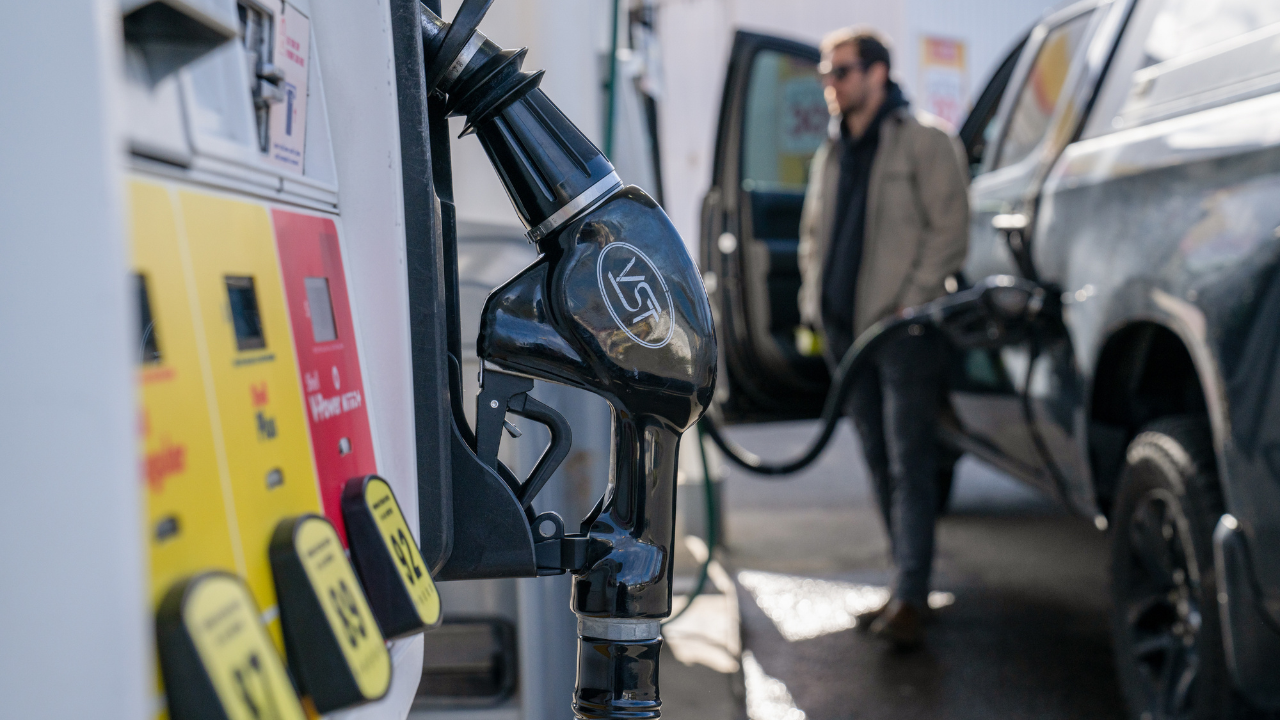
The blockade has sent crude oil prices surging, with ripple effects being felt at gas pumps across the United States. The national average for gasoline has climbed to $4.16 per gallon, up 91 cents from a year ago, according to AAA data. This dramatic increase is reshaping both economic realities and political narratives as midterm elections approach.
In response to the escalating situation, the Trump administration has convened emergency meetings with oil industry executives to discuss potential responses. Meanwhile, international allies including Japan and European nations have issued a joint statement expressing their readiness to ensure safe passage through the strategic chokepoint, through which roughly 20% of the world’s oil supply normally flows.
The impact of the crisis varies significantly across regions. West Coast drivers face the steepest costs, with California reaching $5.93 per gallon and Washington at $5.39. On the East Coast, prices have surpassed $4 in several areas, with Washington D.C. at $4.29 and Pennsylvania at $4.18. Southern states, while comparatively less expensive, are still experiencing significant increases, with Georgia at $3.73 and Florida at $4.18.
“I used to put $30 worth of gas in my car for the week — now it’s $45,” said Zafar, an Uber driver who typically fills up in Virginia, where gas prices are more than $1 higher than last year. “I have no choice — I have to support my family.”
The situation represents a stark reversal from earlier this year. President Donald Trump had previously touted low gas prices during his February State of the Union address, noting they had fallen “below $2.30 a gallon in most states and in some places, $1.99.” That economic narrative, central to Trump’s political messaging, now faces significant challenges.
Diesel prices have risen even more dramatically, climbing to $5.66 per gallon, up about $1.15 over the past month. This surge is particularly concerning for the broader economy, as diesel powers freight transportation, shipping, and public transit. Higher diesel costs typically cascade through supply chains, pushing up prices on consumer goods from groceries to manufactured items.
The timing of this crisis has created an opening for Democrats in competitive races. In central Pennsylvania, Democratic challenger Janelle Stelson recently campaigned at a Mobil station where regular unleaded was priced at $4.24, arguing that incumbent Rep. Scott Perry, a Trump ally, bears some responsibility for the cost-of-living increases.
Similar messaging is emerging in other battleground states. In Iowa, the left-leaning veterans group VoteVets has launched an $825,000 ad campaign highlighting rising fuel costs in support of state Rep. Joshua Turek’s Senate bid. In Michigan, Senate candidate Abdul El-Sayed is running ads that explicitly connect the price increases to foreign policy decisions: “You know why gas is so expensive? Donald Trump’s $200 billion war with Iran.”
The price surge comes just months after Democrats successfully campaigned on affordability issues in state and local elections in Virginia, New York, and New Jersey. That strategy paid dividends in those races, and party strategists appear to be implementing a similar playbook on a national scale.
Mohamed El-Erian, chair of Gramercy Funds Management, has warned that the disruption could have prolonged effects on global energy markets if the situation remains unresolved, potentially complicating economic recovery efforts already challenged by inflationary pressures.
As international tensions persist and domestic fuel prices remain elevated, the Strait of Hormuz blockade has transformed from a distant geopolitical conflict into a pocketbook issue that could significantly influence voter sentiment ahead of the upcoming elections.
Fact Checker
Verify the accuracy of this article using The Disinformation Commission analysis and real-time sources.

10 Comments
Interesting how geopolitical tensions can have such a direct impact on energy prices and consumer costs. This crisis underscores the fragility of global oil supply chains and the need for diversified, resilient energy infrastructure.
The Strait of Hormuz is a vital global chokepoint, so disruptions there can have widespread economic impacts. This underscores the geopolitical importance of the region and the need for stable energy supplies.
Dramatic increases in gas prices across the US, especially in key swing states, will undoubtedly be a hot-button political issue leading up to the midterms. Voters will be closely watching the administration’s response.
Absolutely, this crisis injects a major wildcard into the political and economic calculations ahead of the elections. It will be interesting to see how it shapes the debate and messaging from both sides.
The impact on West Coast drivers is particularly acute, with prices approaching $6 per gallon in some areas. This will put significant strain on household budgets in those regions.
Overall, this situation highlights the complex interplay between geopolitics, energy security, and economic realities. Effective policymaking will require a nuanced, multilateral approach.
While the administration may try to downplay the political fallout, the ripple effects of this crisis on energy prices could prove challenging to overcome. Voters tend to be very sensitive to changes in their daily cost of living.
I’m curious to see how the administration works with the oil industry and international partners to try to mitigate the fallout from this crisis. Ensuring safe passage through the Strait will be critical.
Rising gas prices in swing states could certainly be a political headache for the Trump administration heading into the midterms. However, it’s a complex issue with factors beyond just the administration’s control.
You’re right, the administration has limited levers to quickly lower gas prices given the global nature of oil markets. Their response will be closely watched.