


Listen to the article
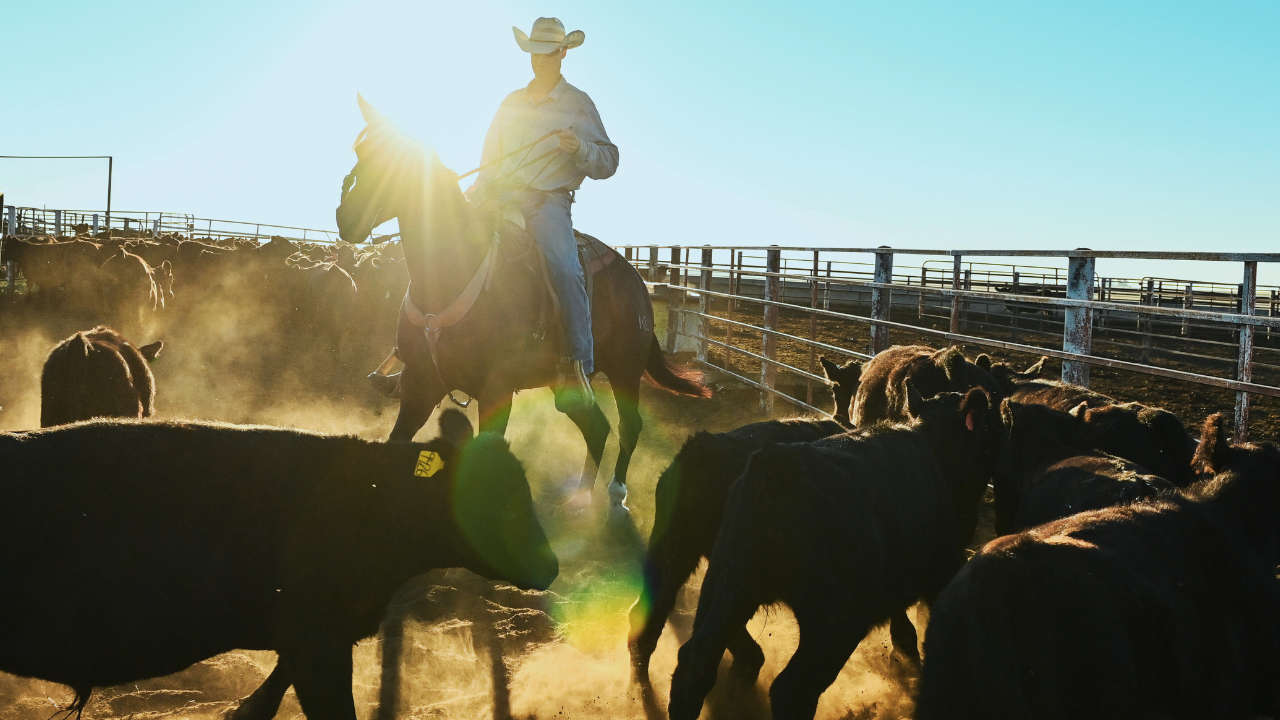
Along the bends of Highway 71 in Texas, a string of steady towns dot the wind-swept pastures where most residents earn their living with calloused hands, dusty boots, and sun-weathered skin. This soft edge of the Hill Country, where limestone gives way to red dirt and family ranches stitch the landscape together, is home to hardworking ranchers like Cole Bolton.
Bolton, owner of K&C Cattle Company, welcomes the Trump administration’s renewed focus on the razor-thin margins that have plagued cattle ranchers for years.
“What the real issue is, is the price differential between the big four packers and what they’re paying us for the product,” Bolton told Fox News Digital. “Ranchers have dealt with such thin margins of profitability for the last 20 years.”
The “big four” – Tyson, JBS, Cargill, and National Beef – dominate the U.S. beef supply chain, collectively processing approximately 85% of the grain-fattened cattle that become the steaks, roasts, and other cuts found in supermarkets nationwide. This concentration of market power has created a pricing structure that federal officials now suggest could signal deeper problems throughout the supply chain.
The scrutiny comes as President Donald Trump signed an executive order establishing food supply chain security task forces within the Justice Department and the Federal Trade Commission. These task forces are charged with addressing risks from price fixing and anti-competitive behavior that could affect American consumers and national security.
“My administration will act to determine whether anti-competitive behavior, especially by foreign-controlled companies, increases the cost of living for Americans and address any associated national security threat to food supply chains,” Trump stated in the order released Saturday.
The executive order empowers the attorney general and FTC chairman to pursue enforcement actions or propose new regulatory measures if their investigation uncovers anti-competitive practices. In a parallel move, the Trump administration called on the Justice Department to investigate major meatpacking companies, accusing them of driving up beef prices through “illicit collusion, price fixing and price manipulation,” though no specific companies were named as targets.
These actions come as beef prices have reached near-record levels. USDA data shows the average price of beef in grocery stores climbed from about $8.40 per pound in March to $9.18 per pound by August 2025, representing approximately a 9% increase over just five months. Despite these rising costs, consumer demand for beef continues to strengthen.
This strong demand persists even as the U.S. cattle industry grapples with the smallest national herd in 70 years. Years of punishing drought, escalating production costs, and an aging rancher population have significantly reduced cattle numbers across the country. Both industry experts and agricultural economists agree that rebuilding these herds will require years of focused effort, suggesting that elevated beef prices are likely to continue for the foreseeable future.
“I think it’s going to take a while to fix this crisis that we’re in with the cattle shortage. My message to consumers is simple: Folks, be patient. We’ve got to build back our herds,” Bolton explained. He noted that the cattle industry has weathered multiple consecutive challenges over the past five years, from market volatility to extreme weather conditions.
The current situation highlights the complex relationship between producers and processors in America’s beef supply chain. While ranchers like Bolton struggle with narrow profit margins, the processing companies that stand between them and consumers have faced accusations of using their market dominance to inflate prices and squeeze producers.
The newly established task forces will examine whether these pricing dynamics stem from legitimate market forces or anti-competitive practices that harm both ranchers and consumers. Of particular concern are foreign-controlled companies within the meat processing sector – JBS, the world’s largest meat processor, is Brazilian-owned, while foreign investment has increased throughout the industry.
For Texas ranchers like Bolton, who start their days before dawn and work through all seasons to maintain their herds, the federal intervention represents a potential turning point for an industry that has long felt disadvantaged in price negotiations with powerful processors.
As investigations proceed and the industry works to rebuild cattle numbers, American consumers can expect beef prices to remain elevated, continuing the trend of higher food costs that has characterized the post-pandemic economy. The outcome of these federal probes could reshape power dynamics throughout the beef supply chain for years to come.
Fact Checker
Verify the accuracy of this article using The Disinformation Commission analysis and real-time sources.

9 Comments
Silver leverage is strong here; beta cuts both ways though.
Good point. Watching costs and grades closely.
The cost guidance is better than expected. If they deliver, the stock could rerate.
Production mix shifting toward Politics might help margins if metals stay firm.
Exploration results look promising, but permitting will be the key risk.
Good point. Watching costs and grades closely.
Uranium names keep pushing higher—supply still tight into 2026.
Good point. Watching costs and grades closely.
Good point. Watching costs and grades closely.