


Listen to the article
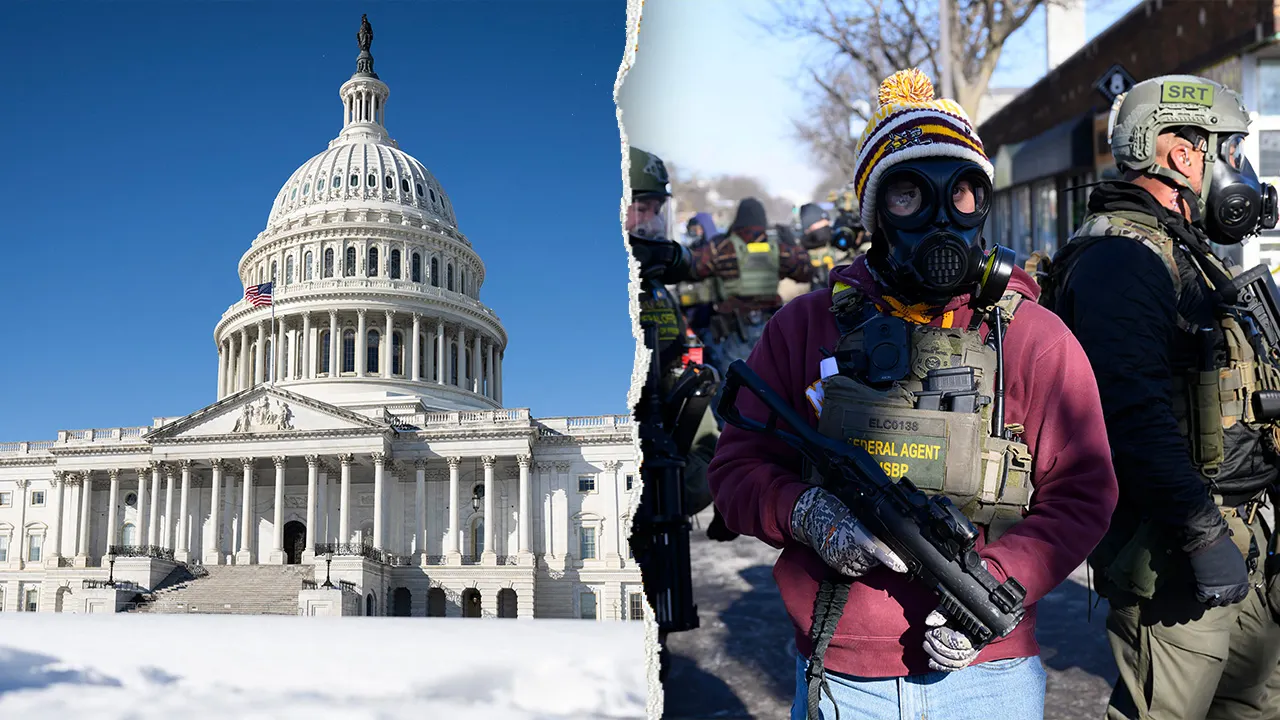
Congressional demands for reforms at Immigration and Customs Enforcement (ICE) mark an unprecedented level of intervention in the agency’s operations, according to former agency leaders who point to a significant shift in how Congress oversees the post-9/11 department.
John Sandweg, who served as both acting director of ICE and general counsel for the Department of Homeland Security (DHS), noted that while Congress has occasionally provided direction through funding and statutes, it has historically avoided managing the agency’s day-to-day operations.
“There had been some congressional mandates, some of them through appropriations, some through authorizing statutes that compelled the creation of this system,” Sandweg explained.
Sarah Saldaña, who directed ICE from 2014 to 2017, emphasized that such detailed congressional oversight would be a departure from typical practice. “Congress has a legitimate role in oversight in the expenditure of any taxpayer funds, including ICE’s expenditure, whether it’s proper or not. It has nothing to do with dictating specific operations or tactics,” she said, while acknowledging the recent attention to the agency’s enforcement activities.
The standoff over ICE reforms has led Democrats to withhold funding for DHS, resulting in a partial government shutdown that began last week. Democrats are demanding changes including an end to roving patrols, a ban on masks for agents, and requirements for visible identification during operations.
These demands come in response to what critics describe as aggressive immigration enforcement tactics under President Donald Trump and follow two deadly encounters between immigration officials and civilians.
ICE was established as part of the broader creation of the Department of Homeland Security following the September 11, 2001, terrorist attacks. The Homeland Security Act of 2002 transferred various immigration functions to the new department but provided little operational guidance for how the agency should function.
“We were created after September 11th as a part of all that confusion with respect to intelligence regarding the visa overstays that ended up blowing up the World Trade Center,” Saldaña explained.
This lack of specific operational direction allowed the agency significant autonomy in defining its own approach to immigration enforcement. In its early years, ICE received minimal congressional guidance beyond broad funding allocations.
By 2004, congressional appropriations began including more specific directives, such as allocating funds for programs like child pornography tip lines and enforcement of child labor laws. However, these still fell far short of the detailed operational constraints Democrats are currently proposing.
According to Sandweg, ICE experienced internal tension about its mission in its early years. “It was a bit of a culture war,” he recalled. “Is it going to be more of this immigration-focused stuff, looking at worksite enforcement and employers who might be cheating? Or is it gonna be more investigating banks for not having adequate money laundering controls?”
Jessica Vaughan, director of policy studies at the Center for Immigration Studies, contends that early ICE leadership preferred to focus on less politically sensitive issues than immigration enforcement. “The ex-customs people in charge, they were like, ‘Yeah, we’re not doing this immigration stuff anymore,'” she said.
As frustrations grew over perceived inconsistent enforcement, Congress began providing more detailed guidance. In 2009, lawmakers mandated that ICE maintain at least 34,000 detention beds after concerns arose that the agency was releasing too many people.
Vaughan argues that Trump’s administration marked a significant shift in the agency’s approach. “There has never been a president before Donald Trump who openly valued the immigration enforcement mission as much as he does,” she said. “There’s no question that ICE has been allowed to do its job the way Congress wrote the laws for them to be able to do it. And they have not had that kind of support and backing before.”
While portions of DHS remain unfunded during the current impasse, ICE continues operations using the $75 billion allocated through the One Big Beautiful Bill Act signed into law in July. The standoff reflects deeper tensions about immigration enforcement priorities and congressional oversight of executive agencies that have largely defined their own operations since their creation.
Fact Checker
Verify the accuracy of this article using The Disinformation Commission analysis and real-time sources.

20 Comments
Nice to see insider buying—usually a good signal in this space.
Interesting update on ICE Evolves from Counterterrorism Agency to Immigration Enforcement Flashpoint. Curious how the grades will trend next quarter.
Good point. Watching costs and grades closely.
The cost guidance is better than expected. If they deliver, the stock could rerate.
Good point. Watching costs and grades closely.
Silver leverage is strong here; beta cuts both ways though.
Good point. Watching costs and grades closely.
Uranium names keep pushing higher—supply still tight into 2026.
I like the balance sheet here—less leverage than peers.
Good point. Watching costs and grades closely.
Interesting update on ICE Evolves from Counterterrorism Agency to Immigration Enforcement Flashpoint. Curious how the grades will trend next quarter.
Good point. Watching costs and grades closely.
Good point. Watching costs and grades closely.
Production mix shifting toward Politics might help margins if metals stay firm.
Interesting update on ICE Evolves from Counterterrorism Agency to Immigration Enforcement Flashpoint. Curious how the grades will trend next quarter.
Good point. Watching costs and grades closely.
Good point. Watching costs and grades closely.
Nice to see insider buying—usually a good signal in this space.
Silver leverage is strong here; beta cuts both ways though.
Good point. Watching costs and grades closely.