


Listen to the article
U.S. Immigration and Customs Enforcement (ICE) has sharply criticized Everett, Washington Mayor Cassie Franklin for implementing new restrictions on federal immigration enforcement within city limits, escalating tensions between local and federal authorities.
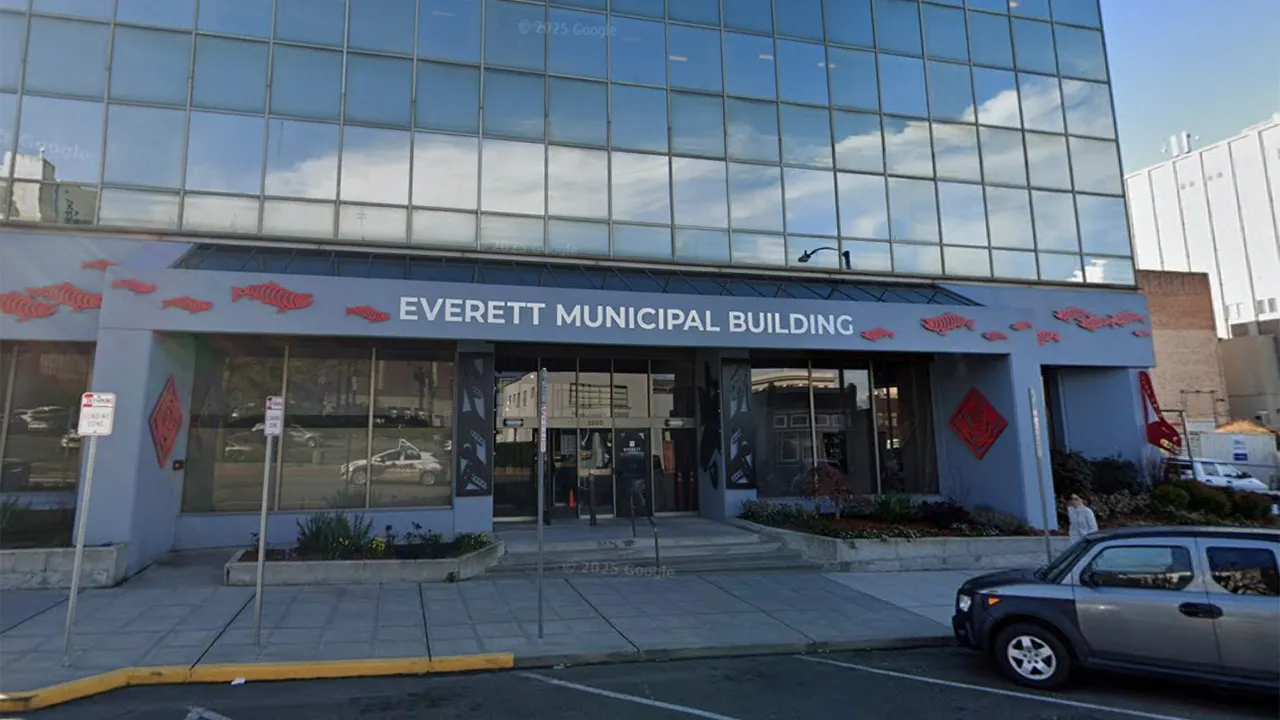
Earlier this week, Franklin issued a mayoral directive establishing protocols that prohibit federal immigration agents from entering non-public areas of city buildings without a judicial warrant. The measure also requires immediate reporting of enforcement activities on city property and mandates clear signage to enforce access limitations.
“We’ve heard directly from residents who are afraid to leave their houses because of the concerning immigration activity happening locally and across our country. It’s heartbreaking to see the impacts on Everett families and businesses,” Franklin said in a statement defending the directive. “With this directive, we are setting clear protocols, protecting access to services and reinforcing our commitment to serving the entire community.”
ICE responded forcefully on Friday, posting on social media platform X that the directive “escalates tension and directs city law enforcement to intervene with ICE operations at their own discretion,” thereby “putting everyone at greater risk.” The federal agency accused Franklin of directing city workers to “impede ICE operations and expose the location of ICE officers and agents.”
The dispute highlights growing tensions between federal immigration authorities and so-called “sanctuary” jurisdictions across the United States. Many local governments have implemented policies limiting cooperation with federal immigration enforcement, citing concerns about community trust and civil rights.
During a city council meeting where she announced the policy, Franklin described what she characterized as a climate of fear among residents. “Federal immigration enforcement is causing real fear for Everett residents,” she said. “It’s been heartbreaking to see the racial profiling that’s having an impact on Everett families and businesses. We know there are kids staying home from school, people not going to work or people not going about their day, dining out or shopping for essentials.”
ICE countered that Franklin’s approach would be counterproductive to public safety. “Working AGAINST ICE forces federal teams into the community searching for criminal illegal aliens released from local jails — INCREASING THE FEDERAL PRESENCE,” the agency stated. “Working with ICE reduces the federal presence.”
The agency further suggested that “if Mayor Franklin wanted to protect the people she claims to serve, she’d empower the city police with an ICE 287g partnership — instead she serves criminal illegal aliens.” The 287(g) program allows state and local law enforcement agencies to partner with ICE to identify and remove non-citizens who may be deportable.
Beyond restricting ICE access to city facilities, Franklin’s directive includes several other components. It calls for an internal policy review and staff training, including the creation of an Interdepartmental Response Team and updated immigration enforcement protocols to ensure compliance with state law.
The directive also instructs city staff to expand partnerships with community leaders, advocacy groups, and regional governments to coordinate responses to immigration enforcement. It promotes immigrant-owned businesses and provides workplace protections and “know your rights” resources.
Franklin has reinforced the city’s commitment to “constitutional policing and best practices,” noting that the police department will comply with Washington state law barring participation in civil immigration enforcement. The directive outlines protocols for documenting interactions with federal officials, reviewing records requests, and strengthening privacy safeguards.
“We want everyone in the city of Everett to feel safe calling 911 when they need help and to know that Everett Police will not ask about your immigration status,” Franklin said during the council meeting. “I also expect our officers to intervene if it’s safe to do so to protect our residents when they witness federal officers using unnecessary force.”
The Everett directive follows similar moves by other jurisdictions across the country as local governments navigate the complex intersection of federal immigration enforcement and local community policing priorities. The clash between local and federal authorities reflects broader national debates over immigration policy and enforcement that have intensified in recent years.
Fact Checker
Verify the accuracy of this article using The Disinformation Commission analysis and real-time sources.

10 Comments
Immigration enforcement is a tricky area with valid concerns on both sides. The mayor’s directive aims to protect vulnerable residents, but ICE may see it as an obstacle to their operations. Constructive dialogue will be crucial to finding the right balance.
This is a delicate issue that requires careful consideration of all perspectives. I hope the local and federal authorities can work together to find an approach that addresses community needs while still allowing ICE to effectively carry out its mandate.
Immigration is a complex and often contentious topic. While I can understand the mayor’s desire to protect vulnerable residents, ICE may have legitimate concerns about the impact on their operations. Constructive dialogue will be key.
This is a difficult issue with valid perspectives on both sides. I hope the local and federal authorities can find a way to address the community’s concerns while still allowing ICE to effectively carry out its mandate.
Interesting to see the tension between local and federal authorities on this issue. I’m curious to learn more about the specifics of the mayor’s directive and ICE’s response. Immigration policy can be quite divisive.
This seems like a tricky situation without easy answers. Balancing public safety, community trust, and federal enforcement priorities is no simple task. Hopefully they can find a measured approach that works for all.
This directive seems like a reasonable attempt to balance concerns around immigration enforcement with community trust and access to services. It’s a complex issue with valid concerns on both sides.
I appreciate the mayor’s perspective on protecting vulnerable residents, but ICE may have legitimate concerns about enforcement challenges. Constructive dialogue will be key to finding the right approach.
The mayor’s directive seems like a reasonable attempt to balance community trust and access to services with federal immigration enforcement. But ICE’s concerns about enforcement challenges are also understandable. Hopefully they can find a middle ground.
This is a complex issue without easy answers. I’m interested to see how the local and federal authorities work to address the competing priorities and find a measured approach that works for all.