


Listen to the article
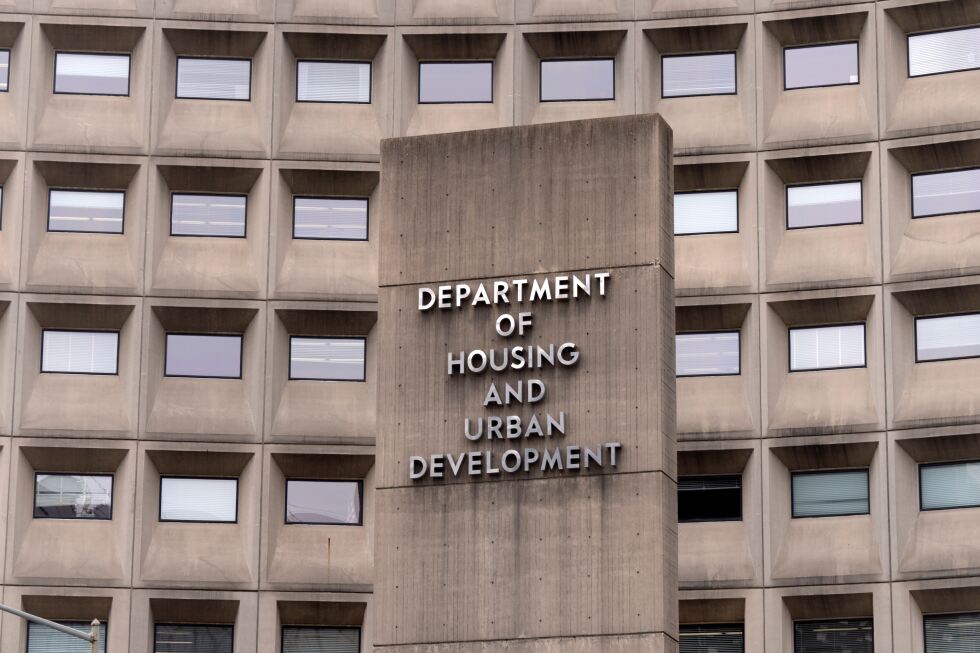
The U.S. Department of Housing and Urban Development has proposed a controversial new rule that would limit public housing primarily to American citizens, potentially triggering widespread evictions of immigrant families.
The proposal, published in the Federal Register on Thursday, aims to restrict HUD-funded housing to citizens and eligible noncitizens only. Under the new requirements, all residents in HUD-supported housing would need to provide proof of citizenship or eligible immigration status, including seniors over 62 who were previously exempted from such verification requirements.
The rule directly targets “mixed-status families” – households where some members qualify for housing assistance while others do not. Housing experts say this marks a significant shift in federal housing policy that has been in place for decades and represents a continuation of immigration policies from the first Trump administration. The proposal aligns with priorities outlined in Project 2025, a conservative policy blueprint.
HUD Secretary Scott Turner defended the measure in a statement, saying, “Under President Trump’s leadership, the days of illegal aliens, ineligibles, and fraudsters gaming the system and riding the coattails of American taxpayers are over. HUD’s proposed rule will guarantee that all residents in HUD-funded housing are eligible tenants.”
The rule will become official once published in the Federal Register on Friday, though HUD has not specified how quickly it would be implemented.
Housing advocacy organizations have swiftly condemned the proposal. Shamus Roller, executive director of the National Housing Law Project, criticized the administration’s approach: “Our country can ensure that every one of us, no matter where we come from or what language we speak, has a safe home. Instead, Trump is trying to evict immigrant families, citizen and non-citizen, from HUD housing.”
The impact could be far-reaching. According to analysis from the Center on Budget and Policy Priorities, a left-leaning think tank, approximately 20,000 families—representing up to 80,000 individuals—could lose housing assistance under the new eligibility requirements. Many of these families include U.S. citizens living with relatives who lack eligible immigration status.
Documentation challenges could amplify the rule’s effects beyond just mixed-status households. Research shows that approximately 3.8 million U.S. citizens lack any documentation proving their citizenship, while another 17.5 million Americans face significant barriers to obtaining such documentation. This could create additional housing insecurity for eligible citizens who cannot easily verify their status.
“Everyone deserves an affordable home, including our neighbors, friends, and coworkers who are immigrants,” said Sonya Acosta, a senior policy analyst with the Center on Budget and Policy Priorities. “This rule would force 20,000 families with mixed immigration statuses to make the agonizing choice between losing the assistance that helps them pay rent every month or separating their family.”
The proposal comes amid an already severe affordable housing shortage across the United States. Public housing and rental assistance programs typically have years-long waiting lists in most communities, with only one in four eligible households currently receiving the housing assistance they qualify for due to funding limitations.
Housing advocates worry the rule could exacerbate homelessness among vulnerable populations at a time when rental costs have increased significantly in many markets nationwide. The measure also raises concerns about increased administrative burdens on local housing authorities who would be tasked with verifying documentation for all residents.
The proposed change represents a significant policy shift that could reshape federal housing assistance programs that have operated under the same eligibility guidelines for decades, potentially forcing thousands of families to choose between keeping their families together or maintaining stable housing.
Fact Checker
Verify the accuracy of this article using The Disinformation Commission analysis and real-time sources.

11 Comments
The potential eviction of immigrant families from public housing is a serious concern. I hope policymakers take a thoughtful, balanced approach that respects housing needs and immigration rules without causing undue hardship.
Well said. Achieving the right policy balance on this issue will require nuanced consideration of all stakeholder interests and impacts.
I can understand the desire to ensure public housing resources are allocated appropriately, but this proposal seems quite heavy-handed. I hope there is robust analysis of the full ramifications before any final decision.
Agreed. Policies with such broad impacts on vulnerable populations warrant extremely careful consideration of all perspectives and potential consequences.
This proposed HUD rule seems quite controversial and potentially impactful for many immigrant families. I’m curious to hear more details on the specific rationale and expected outcomes if implemented.
Yes, it’s a complex issue with impacts on both housing access and immigration policy. I imagine there will be significant debate and analysis of the proposal’s merits and drawbacks.
This HUD proposal is surely going to stir up a lot of heated debate. I’m curious to learn more about the specific problem it’s trying to address and whether there are alternative approaches that could achieve the goals while minimizing disruption.
This HUD proposal seems like a significant shift in federal housing policy. I’ll be interested to follow the public discourse and analysis around the rationale, expected outcomes, and potential alternatives.
This proposed HUD rule is certainly a controversial move that could face legal and political challenges. I’ll be interested to see how the debate and policy process unfolds on this complex issue.
Restricting public housing to citizens and eligible non-citizens only could have significant ripple effects, both in terms of housing affordability and social cohesion. I wonder if there are alternative policy approaches that could address the concerns while minimizing disruption.
That’s a good point. Finding the right balance between housing needs, immigration rules, and social impacts will be crucial. Thoughtful public dialogue on the tradeoffs will be important.