


Listen to the article
Congressional investigators have launched a probe into allegations that two major U.S. hospital systems allowed wealthy foreign patients to bypass organ transplant waiting lists, potentially at the expense of American lives.
Representatives Jason Smith (R-Mo.) and David Schweikert (R-Ariz.), who lead the House Ways and Means Committee’s oversight efforts, sent demands for records to the University of Chicago Medical Center and Montefiore Medical Center in New York on Tuesday. The hospitals have until February 10 to comply or face potential subpoenas.
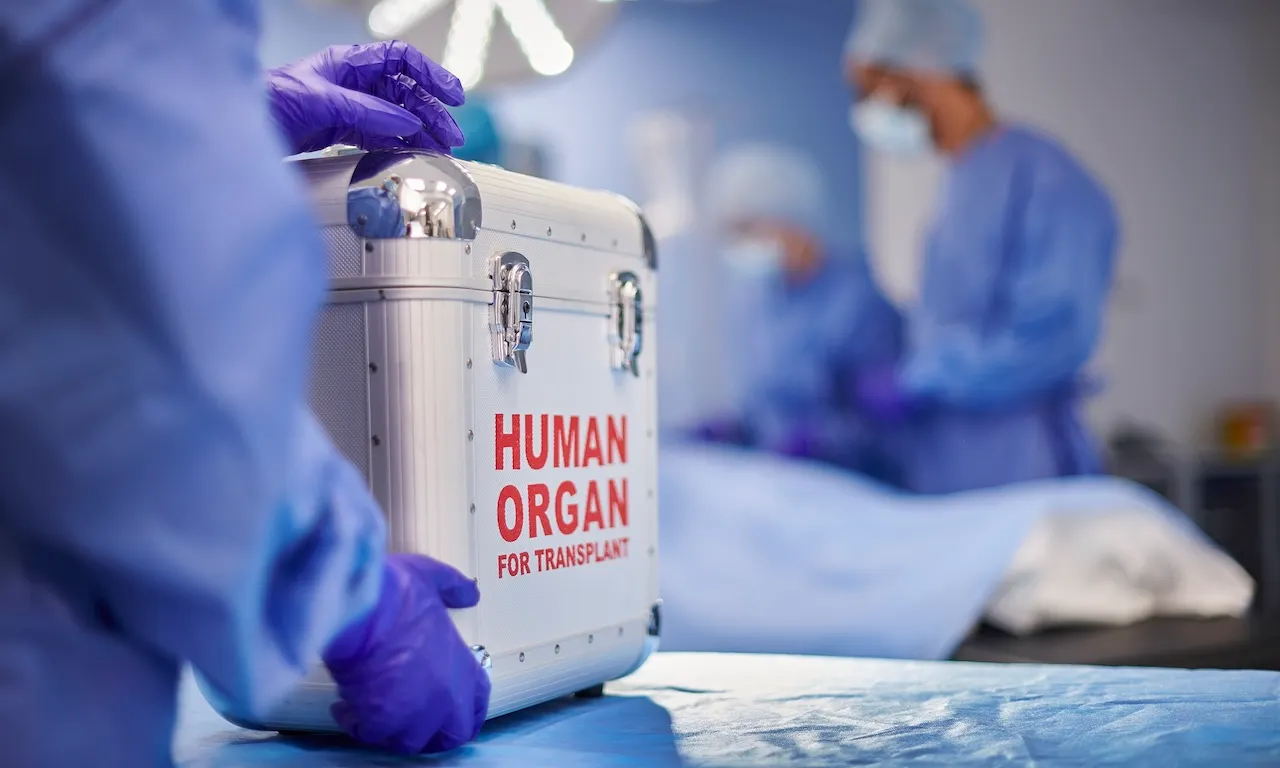
The investigation follows reporting by the New York Times that the tax-exempt hospitals transplanted organs from American donors into foreign nationals who traveled to the U.S. specifically to receive these life-saving procedures. Critics allege these practices allowed international patients to effectively jump ahead of more than 100,000 Americans currently waiting for organ transplants.
“If U.S. hospitals who enjoy lucrative taxpayer-funded benefits have prioritized foreign nationals for organ transplants over saving American lives, they should have their tax-exempt status terminated,” Smith said. “America First means prioritizing American lives, not your bottom line.”
The allegations are particularly troubling given the scarcity of donor organs in the United States. Approximately 5,600 Americans die annually while waiting for organ transplants, according to data cited in the congressional inquiry.
At the University of Chicago Medical Center, investigators highlighted concerning transplant statistics. Foreign patients reportedly constituted about 11% of the hospital’s heart and lung transplants, with 61 international patients receiving organs between 2020 and 2024 — more than at any other U.S. hospital.
Lawmakers cited specific cases where foreign patients allegedly received organs within days, while American patients faced much longer waits. One case involved a wealthy Japanese woman who reportedly received a heart transplant just three days after being placed on the waiting list, after an exception raised her priority status. The patient was self-pay, and a charity founded by her husband later donated to a nonprofit linked to the transplant surgeon’s family, raising concerns about potential quid pro quo arrangements.
The committee is also examining whether the hospitals violated their obligations as tax-exempt institutions by allegedly entering into contracts with foreign governments for transplant services, generating substantial revenue in the process.
At Montefiore Medical Center, investigators noted that 20% of lung transplant recipients were international patients, generating tens of millions of dollars in revenue. The hospital allegedly advertised transplant services abroad by highlighting short wait times and concierge care for international patients.
Whistleblowers from Montefiore claimed international patients received preferential treatment, including allegations that medical records were altered or omitted to expedite access to organs. A former transplant financial coordinator told the New York Times: “We had patients who we’d been working with, who had been waiting their turn, and then someone from Kuwait would come and jump the line.”
The investigation into these two hospitals comes amid broader congressional scrutiny of the U.S. organ transplant system. Rep. Schweikert noted that a previous investigation had already yielded results, including the Trump administration’s decision to decertify a Miami organ procurement organization.
Testimony at a December congressional hearing revealed “shocking stories of organ donations gone terribly wrong” and highlighted systemic issues in transplant management, according to Schweikert.
The organ transplant system has faced criticism for years over transparency, efficiency, and equity issues. The United Network for Organ Sharing (UNOS), which manages the national transplant system, operates under contract with the federal government to allocate organs based on medical urgency, compatibility, and waiting time.
If the allegations against the hospitals are substantiated, they could face serious consequences, including potential loss of tax-exempt status and increased regulatory oversight of their transplant programs. The investigation also raises broader questions about whether current regulations governing organ allocation adequately protect American patients while balancing humanitarian considerations for international cases.
Fact Checker
Verify the accuracy of this article using The Disinformation Commission analysis and real-time sources.

16 Comments
Silver leverage is strong here; beta cuts both ways though.
Good point. Watching costs and grades closely.
Uranium names keep pushing higher—supply still tight into 2026.
Good point. Watching costs and grades closely.
Good point. Watching costs and grades closely.
Exploration results look promising, but permitting will be the key risk.
Good point. Watching costs and grades closely.
I like the balance sheet here—less leverage than peers.
Good point. Watching costs and grades closely.
I like the balance sheet here—less leverage than peers.
Exploration results look promising, but permitting will be the key risk.
Nice to see insider buying—usually a good signal in this space.
Good point. Watching costs and grades closely.
Exploration results look promising, but permitting will be the key risk.
Good point. Watching costs and grades closely.
Interesting update on House Launches Investigation into Alleged Foreign Patient Preferential Treatment in Organ Transplants. Curious how the grades will trend next quarter.