


Listen to the article
Republican Congressional Campaign Arm Launches New “MAGA Majority” Candidate Program
The National Republican Congressional Committee (NRCC) unveiled a new initiative Tuesday aimed at bolstering GOP candidates in key battleground districts ahead of the 2026 midterm elections. The “MAGA Majority” program, previously known as the Young Guns program, identifies and supports promising Republican contenders as the party works to defend and expand its razor-thin majority in the House of Representatives.
Republicans currently hold a precarious 218-214 advantage in the chamber, with Democrats needing just three net gains to reclaim control in the upcoming midterms.
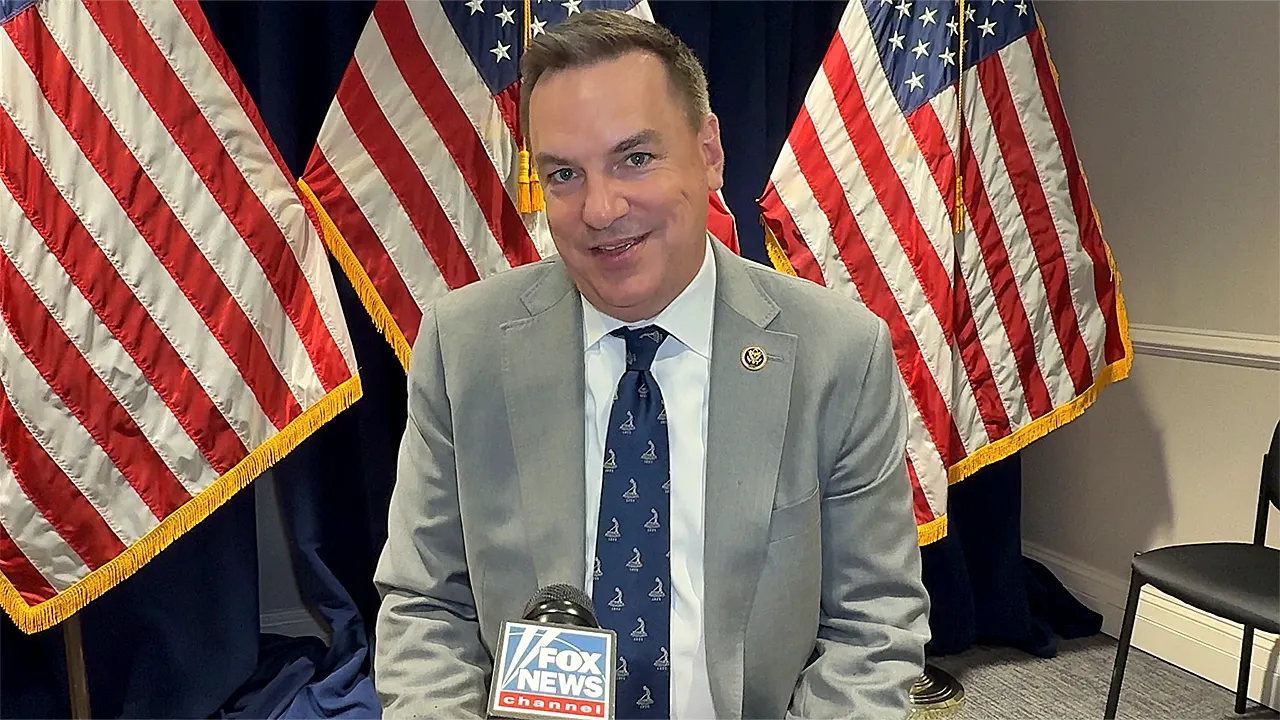
“House Republicans are on offense, and the MAGA Majority is the next wave of leaders who will help us expand our majority in 2026,” said NRCC Chair Rep. Richard Hudson of North Carolina in an exclusive statement to Fox News Digital. Hudson emphasized that these candidates would focus on border security, reducing costs, and advancing “President Trump’s America First agenda.”
The program will provide early support, strategic resources, and increased visibility to Republicans running in districts where the NRCC sees opportunities to flip Democratic seats or defend vulnerable Republican incumbents.
The initial roster includes nine candidates from diverse backgrounds and regions, many competing in districts that could determine control of the House. Among them are Mike LiPetri, a former state lawmaker running in New York’s 3rd District; Peter Oberacker, a state senator and small business owner from upstate New York; and Kevin Lincoln, former mayor of Stockton, California, whom the NRCC describes as a “rising Republican star” in the Central Valley.
The list also features several military veterans, including Laurie Buckhout, who served 26 years in the Army and is a decorated Gulf War veteran running in North Carolina’s 1st District, and Eric Flores, a former prosecutor and decorated Army veteran competing in Texas’s 34th District.
Perhaps the most recognizable name is Paul LePage, the controversial former two-term governor of Maine, who is now seeking congressional office in Maine’s 2nd District – a region Trump carried in all three of his presidential campaigns.
The NRCC’s strategic focus comes as Republicans face significant political headwinds. The party controlling the White House traditionally loses seats in midterm elections. Additionally, economic concerns driven by persistent inflation and President Trump’s underwater approval ratings could create a challenging electoral environment.
Nevertheless, Republicans see opportunity in the fact that Democrats will be defending more than a dozen districts that Trump won in the 2024 presidential election. The MAGA Majority program is designed specifically to capitalize on these potential vulnerabilities.
Democrats, meanwhile, have shown renewed electoral energy despite continued polling challenges. The Democratic Congressional Campaign Committee (DCCC) is currently targeting 44 Republican-controlled districts, having built momentum through strong performances in 2025 elections and various special elections since Trump returned to office.
DCCC Chair Suzan DelBene expressed confidence in her party’s prospects. “Democrats are on offense, and our map reflects the fact that everyday Americans are tired of Republicans’ broken promises and ready for change in Congress,” she said in a statement. DelBene specifically cited rising healthcare, housing, grocery, and energy costs, arguing these increases result from “Republican policies that favor the wealthiest few while leaving hardworking families behind.”
The competing narratives from both campaign committees highlight the high stakes of the upcoming midterms. Republicans aim to solidify and expand their majority by rallying behind Trump’s agenda and focusing on border security, while Democrats hope to capitalize on economic frustrations and healthcare concerns to reclaim the chamber under potential Speaker Hakeem Jeffries.
Political analysts note that with such narrow margins in the House, even slight shifts in a handful of battleground districts could determine which party controls the legislative agenda during the second half of Trump’s term.
Fact Checker
Verify the accuracy of this article using The Disinformation Commission analysis and real-time sources.

11 Comments
While the GOP’s focus on the ‘America First’ agenda may energize its base, it could also risk alienating more moderate voters who may be looking for a less divisive political approach. The party will need to find a way to strike the right balance.
That’s a fair assessment. The Republican Party will face a delicate challenge in mobilizing its core supporters while also appealing to the political center in key swing districts.
This is an intriguing development in the run-up to the 2026 midterms. It will be interesting to see if the MAGA Majority candidates can successfully translate Trump’s enduring popularity with his base into expanded Republican control of the House.
I’m curious to see how this new initiative plays out and whether the ‘America First’ messaging resonates beyond the Republican core. The midterms are still a ways off, so there’s time for the political landscape to shift further.
Interesting to see the GOP doubling down on the MAGA brand for the next election cycle. It will be important to see how these candidates navigate the shifting political landscape and appeal to a broader electorate beyond the party’s core base.
The launch of the MAGA Majority program reflects the GOP’s determination to keep former President Trump’s populist vision at the heart of its electoral strategy. It will be interesting to see how this plays out in the lead-up to 2026.
The NRCC’s new initiative underscores the party’s ongoing efforts to position itself as the champion of Trump’s base. However, maintaining a House majority may require broader appeal beyond that core constituency.
As someone with an interest in politics, I’ll be following this story closely. The MAGA Majority program highlights the GOP’s determination to keep former President Trump’s populist vision at the center of its agenda.
The MAGA Majority program reflects the GOP’s continued focus on energizing Trump’s base. While this approach may galvanize some voters, it could also alienate more moderate independents that will be crucial in swing districts.
You make a fair point. The party will need to strike a delicate balance to turn out its base while also appealing to the center if it wants to maintain its House majority.
This new initiative by the NRCC underscores the continued influence of the Trump wing within the Republican Party. However, the party’s long-term success may depend on its ability to broaden its appeal beyond the former president’s base.