


Listen to the article
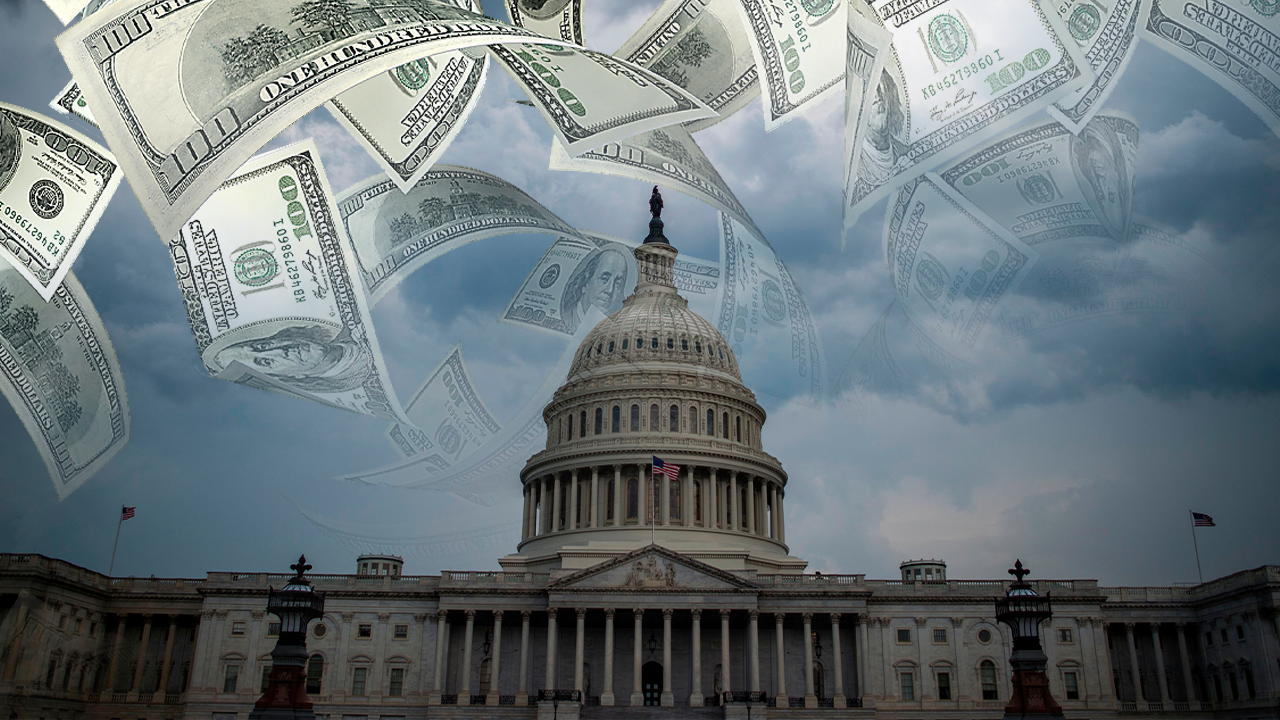
The federal government entered its second partial shutdown in six months after Congress failed to finalize the yearly budget before the January 30 deadline. Unlike the previous shutdown, however, this one affects only portions of the federal government, as lawmakers had successfully funded some departments including Agriculture, Justice, and the legislative branch.
The current impasse stems from Senate Democrats walking away from a bipartisan funding agreement amid controversy over President Donald Trump’s deployment of federal law enforcement in Minneapolis. Two U.S. citizens were killed by federal officers during separate demonstrations against the administration’s immigration policies, prompting Democrats to demand the removal of Department of Homeland Security (DHS) funding from the larger spending package.
In response to the crisis, Senate Democrats negotiated a compromise with the White House that would fund most government operations through September 30, while providing a two-week extension of current spending levels for DHS. This short-term solution would allow Congress additional time to develop new guardrails for immigration enforcement agencies within the department.
“The only thing that can slow our Country down is another long and damaging Government Shutdown,” President Trump wrote on Truth Social, urging Republicans to support the deal he struck with Senate Minority Leader Chuck Schumer.
The impact of the partial shutdown could be far-reaching if it continues for an extended period. Essential services at risk include airline operations, military paychecks, and certain Medicaid and Medicare services. The unfunded departments include War, Labor, Health and Human Services, and Transportation, representing the majority of federal spending.
While the modified funding package successfully passed through the Senate with bipartisan support under the leadership of Senate Majority Leader John Thune, it faces an uncertain path in the House of Representatives. House Speaker Mike Johnson must now navigate the challenging task of building consensus among Republicans and Democrats to pass the legislation next week, which will determine how long the shutdown lasts.
Some Senate Republicans had already expressed frustration with the original funding package before the crisis over DHS funding emerged. Several lawmakers objected to billions in earmarks attached to the legislation, while Senator Lindsey Graham of South Carolina was particularly incensed by a provision allowing senators to sue for up to $500,000 if their phone records were subpoenaed by former Special Counsel Jack Smith.
“You jammed me, Speaker Johnson. I won’t forget this,” Graham said, directing his ire at the House leadership. “I got a lot of good friends in the House. If you think I’m going to give up on this, you really don’t know me.”
The House had passed the original federal funding plan in late January before Democrats withdrew their support. Now they must vote again on the Senate’s modified version, with the duration of the shutdown hinging on Speaker Johnson’s ability to build a coalition around the compromise legislation.
This marks the second time in the current fiscal year that the government has faced a funding crisis, highlighting the ongoing challenges of budgetary politics in a deeply divided Congress. The Office of Management and Budget has already notified federal agencies to begin shutdown preparations, setting in motion the complex process of determining which government functions continue and which must cease until funding is restored.
For millions of Americans who rely on government services and hundreds of thousands of federal employees, the shutdown creates uncertainty about when normal operations will resume, with the timeline now dependent on how quickly the House can act on the Senate’s compromise.
Fact Checker
Verify the accuracy of this article using The Disinformation Commission analysis and real-time sources.

13 Comments
While shutdowns are never ideal, I’m glad the impact is limited compared to previous ones. Maintaining core government functions is crucial during times of uncertainty.
This standoff highlights the partisan divisions in Washington. I hope our elected leaders can put politics aside and focus on serving the American people effectively.
Well said. Bipartisanship and pragmatism are needed to resolve these types of impasses in a constructive manner.
It’s disappointing to see the government at an impasse again. I hope this can be resolved quickly with minimal disruption to critical services and programs.
The loss of life during the protests is deeply tragic. I hope the investigation into those incidents is thorough and transparent. Public safety and civil rights must both be prioritized.
Agreed, those deaths are very concerning. Hopefully the facts can be established so appropriate actions can be taken.
I’m curious to learn more about the specifics of the Democrats’ concerns over immigration enforcement. Their demands to remove DHS funding seem like a high-stakes negotiating tactic.
It’s understandable the Democrats want oversight and accountability for federal law enforcement actions. Hopefully this can be addressed constructively.
The proposed two-week extension seems like a reasonable short-term solution to allow more time for negotiations. Hopefully this will lead to a more lasting budget deal that all sides can support.
Yes, a temporary extension could give them space to find a longer-term compromise. Compromise is key in a divided government.
This is a complex and sensitive issue. I hope the parties can find a compromise that addresses the concerns of all sides while keeping the government functioning. Shutdowns are disruptive and should be avoided if possible.
Agreed, shutdowns benefit no one. I hope the Democrats and Republicans can negotiate in good faith to reach an agreement.
This shutdown is disappointing, but I appreciate the attempt at a bipartisan compromise. Governing is difficult, and I hope the parties can work through their differences for the good of the country.