


Listen to the article
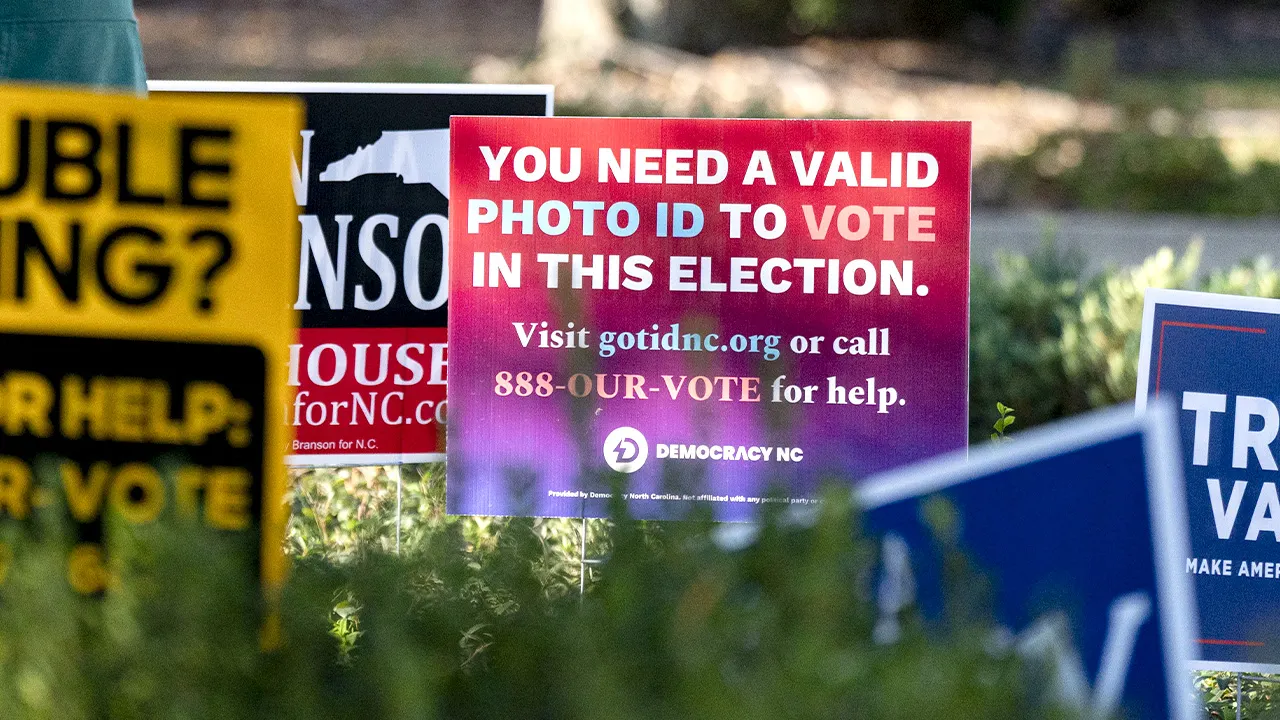
The House of Representatives is poised to vote on legislation that would mandate photo identification for all voters participating in federal elections beginning with the 2026 midterms. Speaker Mike Johnson announced the vote will take place Wednesday on the SAVE America Act, which advanced through the House Rules Committee on Tuesday.
The bill, spearheaded by Rep. Chip Roy (R-Texas) in the House and Sen. Mike Lee (R-Utah) in the Senate, represents an expanded version of Roy’s earlier Safeguarding American Voter Eligibility (SAVE) Act that passed the House in April 2025 but stalled in the Senate.
Beyond requiring photo ID, the legislation would establish a federal proof of citizenship mandate during voter registration and impose stricter requirements on states to maintain accurate voter rolls. The bill would also create information-sharing mechanisms between state election officials and federal authorities to verify citizenship status of registered voters.
Additionally, the Department of Homeland Security would be empowered to pursue immigration cases if non-citizens are discovered on voter rolls. Republicans argue these measures are necessary safeguards following what they describe as an influx of millions of illegal immigrants during the Biden administration.
“The only question is, will he take it up in an environment where it can pass?” Roy told Fox News Digital on Tuesday, referring to Senate Majority Leader John Thune. Roy suggested procedural strategies to overcome potential Democratic opposition, adding, “My view is that the majority leader can and should. I’m not afraid of amendment votes…we should table all their amendments, force them to run through all their speaking, make them take the floor and filibuster.”
The bill has generated sharp partisan divisions. Democrats have condemned the legislation as a form of voter suppression, while Republicans frame it as a crucial election integrity measure. The debate reflects broader national tensions over voting rights and election security that have intensified since the 2020 election.
With Republicans holding a majority in the House, the bill is expected to pass the lower chamber with strong party-line support. However, its prospects in the Senate remain uncertain. Under current Senate rules, 60 votes are required to overcome a filibuster, meaning at least seven Democrats would need to join with Republicans to advance the legislation to a final vote.
This procedural hurdle has prompted House conservatives to push Senate GOP leadership to consider rule changes that would effectively eliminate the 60-vote threshold, potentially allowing the bill to pass with a simple majority vote. Critics of this approach warn it could fundamentally alter Senate operations and establish a precedent for circumventing minority party input.
The debate over voter ID requirements has been contentious for years, with proponents arguing they prevent fraud and opponents contending they create barriers to voting, particularly for marginalized communities. According to the National Conference of State Legislatures, 36 states currently have some form of voter ID law, though requirements vary significantly.
If enacted, this federal standard would supersede existing state regulations, creating uniform photo ID requirements across all federal elections nationwide. The bill would represent one of the most significant federal interventions in election administration in recent years.
The timing of the vote—ahead of the 2026 midterm elections—underscores the political significance Republicans place on the issue. With control of Congress potentially at stake, both parties view election administration rules as increasingly consequential to electoral outcomes.
While the House vote appears to be a foregone conclusion, the real battle awaits in the Senate, where the legislative filibuster presents a substantial obstacle to passage without bipartisan support that currently seems unlikely.
Fact Checker
Verify the accuracy of this article using The Disinformation Commission analysis and real-time sources.

12 Comments
Voter ID legislation is always a thorny issue. While I agree that election integrity is paramount, we need to make sure any new requirements don’t create unnecessary barriers for legitimate voters. I’m curious to see how this debate plays out and what compromises might emerge.
Absolutely, finding the right balance is crucial. I’ll be interested to see how this bill evolves through the legislative process and what amendments or concessions might be made to address concerns about voter access.
Interesting development on voter ID legislation. While voter integrity is important, I hope this bill can be crafted in a way that doesn’t disenfranchise legitimate voters. What do you think the key considerations should be?
Voter ID laws can be a complex issue – we need to balance election security with ensuring access to voting. I’m curious to see how this debate unfolds and what compromises might be reached.
Requiring photo ID for federal elections is a significant policy change. I can understand the desire to enhance election integrity, but we’ll need to closely examine the details to ensure it doesn’t create undue barriers to voting. What are your thoughts on the potential impacts?
This is certainly a contentious issue that will generate a lot of debate. I hope lawmakers can find a balanced approach that maintains voter confidence while preserving access to the polls.
Voter ID requirements are always a hot-button issue. While election integrity is crucial, we need to ensure this legislation doesn’t create unnecessary barriers for legitimate voters. I hope the debate can stay focused on finding the right balance.
Agreed, the devil will be in the details on this one. Maintaining secure elections is vital, but we also can’t disenfranchise eligible voters in the process. It will be an interesting discussion to follow.
This voter ID legislation seems like it could have far-reaching implications for the 2026 elections and beyond. I’m curious to hear more about the specific provisions and how they might affect voter turnout and participation.
Voter ID laws are a complex topic without easy answers. I’ll be interested to see how the public discourse evolves around this bill and what compromises or amendments might emerge.
This voter ID bill seems like it could have significant implications for the 2026 elections and beyond. I’m curious to learn more about the specific provisions and potential impacts on voter participation. Ensuring election integrity is important, but we also need to be mindful of unintended consequences.
Voter ID is a complex issue without easy answers. I’ll be following the debate closely to see how lawmakers balance the need for secure elections with preserving voter access and participation.