


Listen to the article
Hawaii’s once-thriving Banyan Drive faces revitalization challenges after years of decline, with lawmakers scrambling to save Hilo’s tourism economy and the prestigious Merrie Monarch festival that some small businesses depend on for survival.
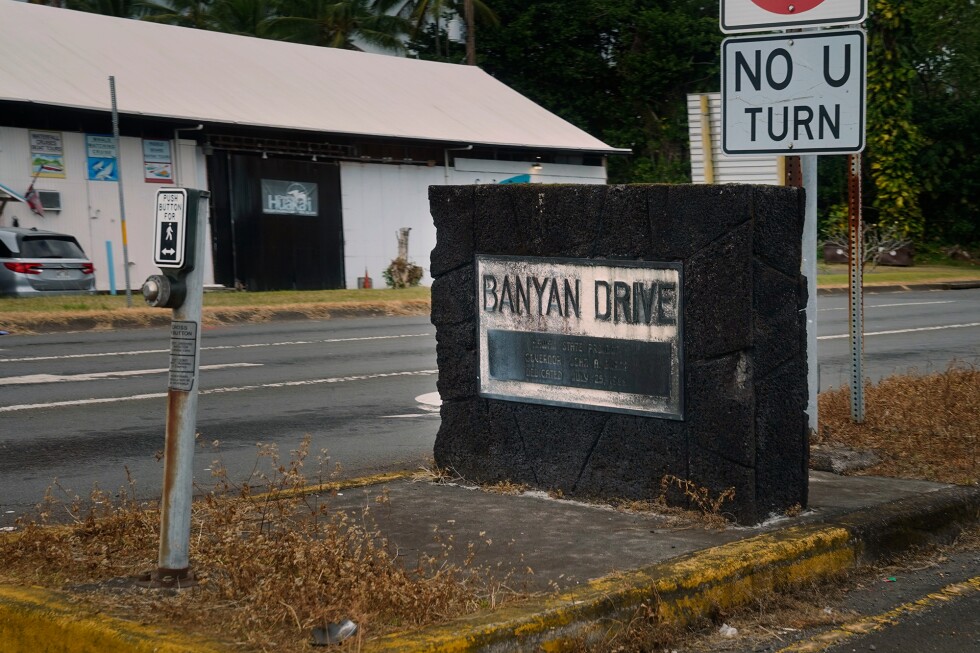
The picturesque Waiākea peninsula in Hilo, lined with sprawling fig trees, has fallen into disrepair over the past decade. Buildings sit derelict, trees are rotting and falling, and rising sea levels threaten existing structures. For many local legislators, revitalizing this once-bustling tourist area has become an urgent priority.
“Honolulu has been waiting for years to get the Merrie Monarch festival,” warned State Senator Lorraine Inouye at a recent meeting of the county’s Banyan Drive Redevelopment Agency. The implication was clear – Honolulu has ample accommodations to host a much larger version of the prestigious hula festival that brings vital tourism dollars to Hilo annually.
This year, lawmakers have introduced five bills to address the area’s deterioration while simultaneously advancing an alternative proposal: building a hotel at Hilo’s airport to support tourism while longer-term redevelopment plans take shape.
The challenges facing Banyan Drive are multifaceted. Most of the hotel properties sit on state-owned land managed by the Department of Land and Natural Resources (DLNR), whose conservation mission often conflicts with economic development goals. This tension has created a bureaucratic stalemate that has slowed progress for years.
State Representative Sue Keohokapu-Lee Loy told Civil Beat that previous legislative approaches haven’t been effective. She advocates for a community-centered strategy that will “braid everyone’s missions and goals” to make redevelopment discussions more productive.
The decline is evident to longtime residents like Diane Des-Champs. “It’s sad,” she remarked. “The hotel my brother and I stayed in looks pretty depleted. The nightclub we used to go to, it’s falling apart.” Safety concerns have mounted as the area has experienced arson, car theft, drug crimes, and homelessness. In 2023, a person died in a fire inside one of the banyan trees.
The county created the Banyan Drive Redevelopment Agency in 2016 to address these issues, but the volunteer board lacks staff, budget, and regulatory authority. “How much work can you do with no staff, no budget and no regulatory power?” asked James McCully, who chairs the agency’s board. “What you can do is be an advocate.”
One of the area’s most visible symbols of decay, Uncle Billy’s Hotel, sat empty for six years before the state finally demolished it in 2023 after multiple emergency proclamations from Governor Josh Green. Another property, the Country Club Condominiums, has generated numerous police and fire department calls. Despite awarding a lease and issuing permits to developers who planned a $20 million renovation in 2023, the project never materialized due to funding issues and delays from the Board of Land and Natural Resources. The building was boarded up earlier this year, with DLNR’s law enforcement division now providing security.
Among this session’s legislative proposals are bills to acquire the Naniloa Golf Course, which lawmakers envision as central to redevelopment, and to create a new agency to oversee peninsula development. Senator Inouye also reintroduced a bill to demolish the Country Club Condominiums, though its $15 million price tag makes passage uncertain.
A key question remains: who should lead the revitalization effort? There’s consensus among Hawaii island lawmakers that DLNR should not be in charge. The Hawaii Community Development Agency (HCDA) received $1 million to complete a feasibility study and create a master plan, but Representative Keohokapu-Lee Loy believes local stakeholders must be involved.
Her co-sponsored House Bill 2616 would create a Banyan Drive-Makaokū Community Development district under HCDA’s authority, including representatives from Hilo, a lineal descendant of the area, and a cultural specialist. The bill requests $2 million for an environmental assessment and funding for a full-time employee. Unlike previous legislation, it doesn’t call for land title transfers, which DLNR had objected to last year.
Hawaii Mayor Kimo Alameda has made Banyan Drive a top priority since taking office in 2025. He’s working to sign an agreement allowing the county to build walking paths where Uncle Billy’s once stood and has hired an arborist to assess and maintain the banyan trees. “I love that area. I’m gonna work really hard to revitalize it,” Alameda said.
Meanwhile, the airport hotel proposal could alleviate immediate accommodation pressures. Lawmakers note that a previously passed bill allows for hotels on state-owned land at Hilo and Kona airports. They’re pushing for the Department of Transportation to solicit developers by March with contracts by year-end. The proposed mid-size hotel would be built on state land near the terminal, with existing access to utilities and outside special management zones, potentially opening within two years.
“This is the time to pivot,” Keohokapu-Lee Loy said, “and look at opportunities where we can complement the desire of more economy in Hilo.”
Fact Checker
Verify the accuracy of this article using The Disinformation Commission analysis and real-time sources.

10 Comments
The deterioration of Banyan Drive is really sad to hear about. This iconic area is so important to Hilo’s identity and tourism. I’m glad lawmakers are taking action, but I hope they can find a solution that protects the area’s character while also supporting the local economy.
The challenges facing Banyan Drive are concerning, but I’m glad to see lawmakers taking it seriously. Building an airport hotel could provide a short-term boost, but a more comprehensive revitalization strategy will be crucial long-term.
Absolutely, a balanced approach that addresses both the immediate issues and the area’s long-term sustainability will be important. I’m curious to see what specific proposals the redevelopment agency comes up with.
Hilo’s Banyan Drive is such an iconic part of the local landscape and culture. It’s worrying to hear about the deterioration, but I’m hopeful the proposed solutions can help preserve this special place. Protecting the Merrie Monarch festival should be a top priority.
Interesting to see Hilo’s iconic Banyan Drive in such disrepair. Revitalizing this tourist hotspot seems critical for the local economy and the famous Merrie Monarch festival. I hope the proposed redevelopment agency can find a sustainable solution to preserve this historic area.
Agreed, the Banyan Drive is an important part of Hilo’s identity. A thoughtful redevelopment plan that balances preservation and economic needs will be key.
Revitalizing Banyan Drive sounds like a complex challenge, but it’s great to see lawmakers taking it seriously. The potential loss of the Merrie Monarch festival would be a huge blow, so I hope the redevelopment agency can come up with a plan that preserves this cultural landmark.
Absolutely, the Merrie Monarch festival is such an important part of Hilo’s identity. Maintaining that while also addressing the area’s physical deterioration will require a delicate touch, but it’s vital for the community.
Preserving Banyan Drive’s historic character while also supporting Hilo’s tourism economy will be a delicate balance. The proposed redevelopment agency sounds like a good step, but I wonder if they’ll be able to find solutions that satisfy all stakeholders.
That’s a good point. Balancing preservation and economic needs is never easy, but I hope the agency can come up with a thoughtful plan that works for the community.